1
1
 Credit: rickpilot_2000, Flickr
If there’s one thing Disney World understands better than almost any other destination on the planet, it’s how fast a simple trend can spread. One TikTok goes viral, and suddenly thousands of people try the same thing on their next vacation.
Most of the time, these trends are harmless—cute photo ideas, snack hacks, or fun little traditions guests repeat every trip. But lately, some of the internet’s boldest stunts have crossed into territory Disney can’t ignore.

And that’s where security steps in.
Over the past year, Disney has watched a handful of guest behaviors become more extreme, more disruptive, and in some cases, more dangerous. Now the resort is taking clear, measurable action to shut them down before things escalate further.
Disney has always been firm on safety, but this new wave of enforcement feels noticeably stronger, and it’s clear the company wants to get ahead of problems before they turn into headlines.
So what exactly is Disney cracking down on? Three main behaviors: monetized guided tours led by unauthorized individuals, the sudden rise of personal drones, and social-media-driven stunts designed to shock or go viral. Each one has started to impact the parks more than guests may realize, and Disney’s response has shifted from quiet warnings to firm, immediate intervention.
Let’s break down what these trends look like, why they’ve grown so quickly, and how Disney is responding.
Unauthorized Guided Tours: The Monetized Trend Disney Won’t Tolerate
For years, a small but growing community of self-appointed “private guides” has operated inside the parks. The idea usually starts innocently enough—someone who knows the parks really well begins helping friends and family navigate the crowds, and before long, word spreads. Eventually, these unofficial guides start charging for their services.

The problem? Disney already offers official VIP tours, and anything outside that structure violates park rules.
As social media grew, so did demand for these “under-the-radar” guides who marketed themselves on TikTok and Instagram as cheaper, insider-style alternatives. Many guests didn’t even realize these tours weren’t allowed. And because some guides bragged openly about skipping long waits or bending rules, the trend sped up faster than Disney expected.
Security teams are now actively identifying and escorting these unauthorized guides out of the park. Guests participating in the tours are also being stopped—not as punishment, but to make sure everyone understands that Disney simply cannot allow monetized, rogue tour services to operate onsite.
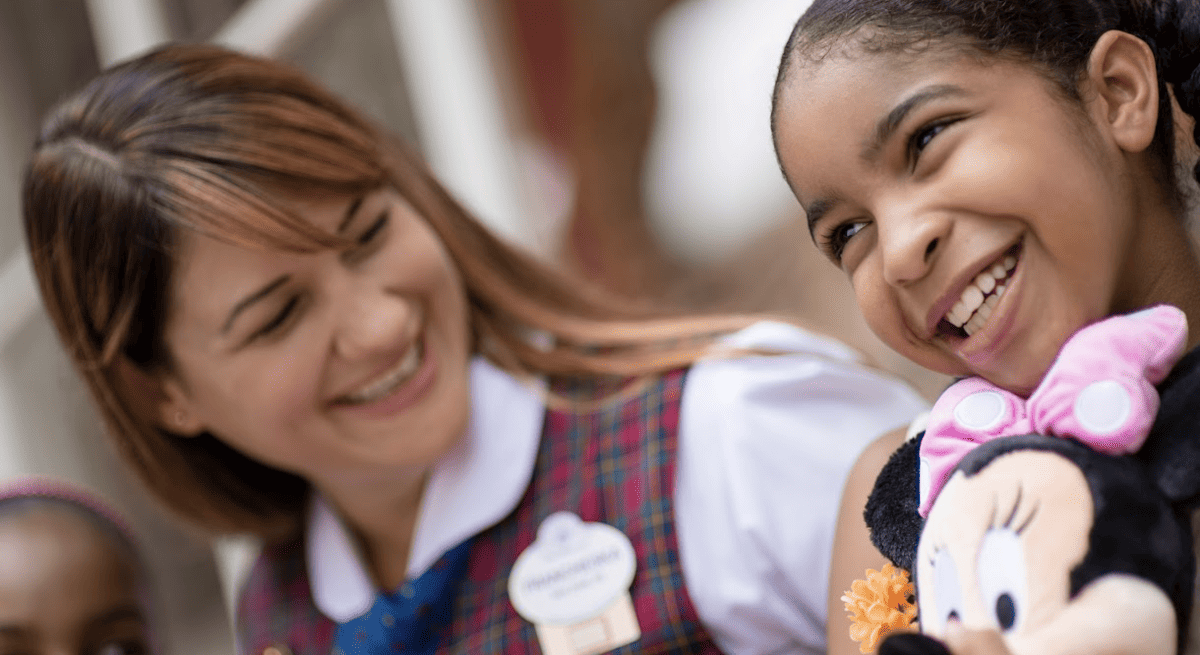
Disney’s position is clear: guided experiences must run through the company. Allowing independent operators isn’t just a business concern—it complicates crowd control, disrupts flow in high-traffic areas, and can create safety risks when large groups cluster where they shouldn’t.
On top of that, Disney doesn’t want a scenario where guests unknowingly pay strangers for a service that could get them removed from the park. The more these “budget VIP tours” grew online, the more proactive Disney needed to become.
Drones: The Trend That Could Ground Entire Lands
Drones have exploded in popularity over the last decade, and with that popularity came a predictable question from visitors: “Why don’t I just bring one to Disney World and capture my own epic aerial footage?”
The answer is simple—because Disney absolutely does not allow them.
Disney World was one of the very first areas the FAA designated as strict no-fly zones for recreational drones. The resort sits inside protected airspace for safety, security, and privacy reasons. Even small drones can interfere with show equipment, nighttime spectaculars, fireworks launch sites, parade routes, emergency helicopter routes, and back-of-house logistics.

Still, viral videos online have shown people testing the limits. Some have flown drones dangerously close to attractions, backstage facilities, and even guest areas. Others have boasted about attempting it, even if they were stopped before takeoff.
Disney’s crackdown is now much more visible. Security is confiscating drones at bag check, stopping guests attempting to launch them in parking lots, and issuing trespass warnings when necessary. Signs around the resort clearly label the no-fly restrictions, but now, cast members have been instructed to escalate drone activity faster than ever.
Even attempting to fly a drone can lead to removal from property. And depending on the severity, federal aviation penalties may also apply.
It may seem like a harmless hobby, but the potential consequences are huge—which is exactly why Disney is shutting down the trend before it becomes a larger safety issue.
Social Media Stunts: The “Do It for the Views” Trend Reaches a Breaking Point
This is the trend Disney is cracking down on the hardest.
As online content becomes more competitive, influencers and viral-hopefuls have started pushing boundaries in the parks. Instead of videos showing families enjoying their vacation, we’ve seen a noticeable rise in deliberate stunts meant to shock viewers.

Some examples from recent months include:
-
People jumping from ride vehicles to retrieve dropped items
-
Individuals running into off-limits show spaces
-
Staged arguments or pranks designed to attract attention
In nearly every scenario, these stunts disrupt ride operations, distract cast members, and create unsafe conditions for everyone around them.
What makes this trend especially complicated is that many of these moments spread instantly. One incident can rack up millions of views within hours, leading others to try it themselves. Disney wants to break that cycle, and the response has become much more direct.
Guests caught attempting stunts are being removed from the park on the spot. In many cases, they lose park privileges for an extended period. Security presence has increased in known hotspot areas—places where past stunts happened or videos were filmed. And cast members now receive guidance on how to handle guests who appear to be preparing a performance that could impact operations.

Disney isn’t trying to stop people from filming their vacations. They know the parks are among the most photographed places on Earth. What they won’t allow is behavior that puts performers, cast members, or fellow guests at risk just for a few seconds of online attention.
Why This Crackdown Matters for the Future of the Parks
Disney’s message is simple: the parks should feel safe, magical, and welcoming. Viral trends aren’t the problem—dangerous viral trends are. The more guest behavior shifts toward “performance mode,” the harder it becomes to maintain that sense of comfort for tens of thousands of visitors each day.
This crackdown isn’t about punishing people. It’s about protecting the experience for everyone.
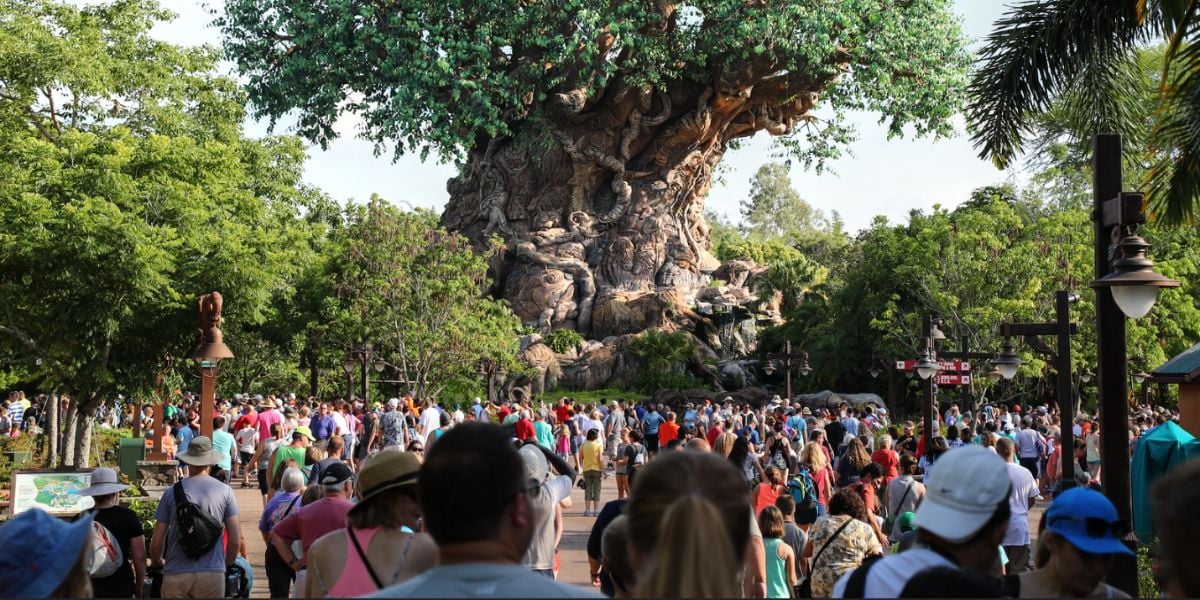
The truth is, the parks feel different when guests behave unpredictably. It stresses cast members, disrupts operations, and can create tension in crowded spaces. Disney can’t let that environment take hold, especially as attendance grows and social media continues shaping how guests behave.
By acting now, Disney is setting the tone. They’re making it clear that while the world outside might chase viral moments at any cost, the parks remain a place where safety and courtesy come first.
Final Thoughts
Disney World will always evolve, and guest behavior evolves with it. While trends come and go, Disney’s priority never changes: keep the parks safe, keep the experience smooth, and make sure families feel comfortable every step of the way.
Unauthorized tours, drones, and viral stunts might seem unrelated at first glance, but they all share the same problem—they disrupt the magic. And if Disney has proven anything lately, it’s that they’re more than ready to step in when that magic is put at risk.