9
9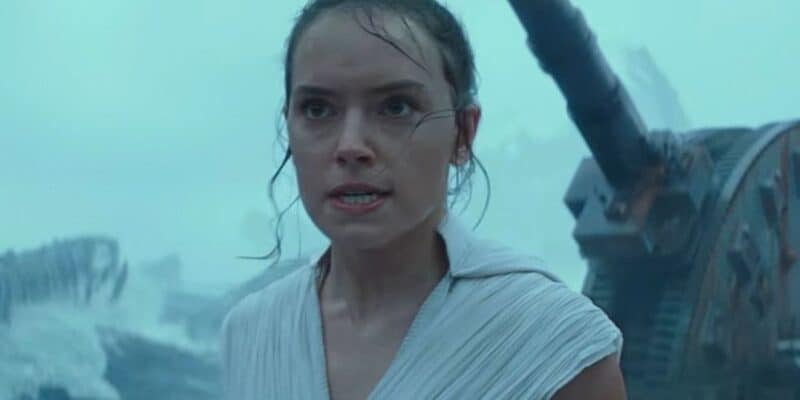
 Credit: Lucasfilm
It’s no stretch to say that Star Wars might be in the worst place it’s been in since A New Hope was released in theaters in 1977.
Of course, who can forget how The Last Jedi (2017) became the most controversial film in the entire franchise, and how the final film in the sequel trilogy, The Rise of Skywalker (2019), was also poorly received by fans. Still, those films each grossed over $1 billion worldwide.

The Mandalorian & Grogu
There was a time when a new Star Wars movie was a massive cultural event. But The Mandalorian & Grogu, which released in theaters on May 22, didn’t just underperform commercially, but it also failed to ignite the kind of global excitement we’ve been so accustomed to seeing from this franchise over the decades.
Directed by Jon Favreau, the film, which stars Pedro Pascal as the titular bounty hunter and is a continuation of the Disney+ series, has grossed $322.2 million against its reported $165 million budget. However, it has the lowest weekend-opening for a live-action film in the Star Wars franchise, dipping below the bar previously set by Solo: A Star Wars Story in 2018.
Since opening, the film has experienced a sharp decline in sales, with indie horror films Backrooms and Obsession outperforming it at the box office.
So, what does this mean for Star Wars going forward?
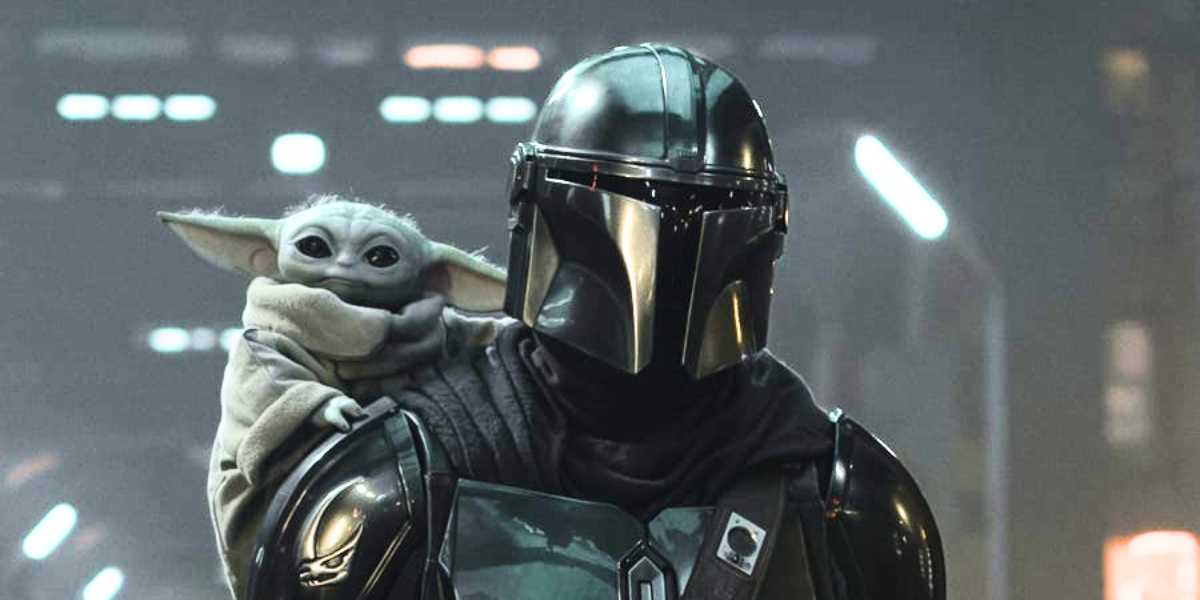
The truth is that Star Wars was struggling long before The Mandalorian & Grogu arrived. That film’s performance is likely a culmination of the apathy that’s been building over the years.
Disney+ series such as The Book of Boba Fett (2021), Obi-Wan Kenobi (2022), Ahsoka (2023), The Acolyte (2024), and The Mandalorian Season 3 drew mixed to negative reactions from viewers, and many fans have seemingly abandoned the franchise altogether since then.
So it’s time to state the obvious: if Star Wars is going to survive, it needs to be rebooted, and fast.

Here’s How Star Wars Should Be Rebooted
Firstly, regardless of what anyone says, Star Wars is not above being rebooted. Almost every other major franchise you can think of has hit the reset button at some point in its life (some more than others). James Bond, Spider-Man, Planet of the Apes, Godzilla. The list goes on.
Harry Potter is even being rebooted into a television series, which premieres this December.
But there are a few franchises that stand out from the rest because of how they started over.

Terminator is hardly the model IP for how to do a hard reboot, but the fifth film, Terminator: Genisys (2015), reset the timeline within the narrative. How did it do this? Time travel, of course.
X-Men did something very similar. After the original trilogy of films, the series opted for the prequel route with X-Men: First Class (2011). But the next entry, X-Men: Days of Future Past (2014), decided to hit reset even harder.
It takes place in the future and sees characters from the earlier films, such as Wolverine (Hugh Jackman), travel back in time and consequently alter the events of history, thus creating an entirely new timeline where things played out very differently.
Again, time travel.
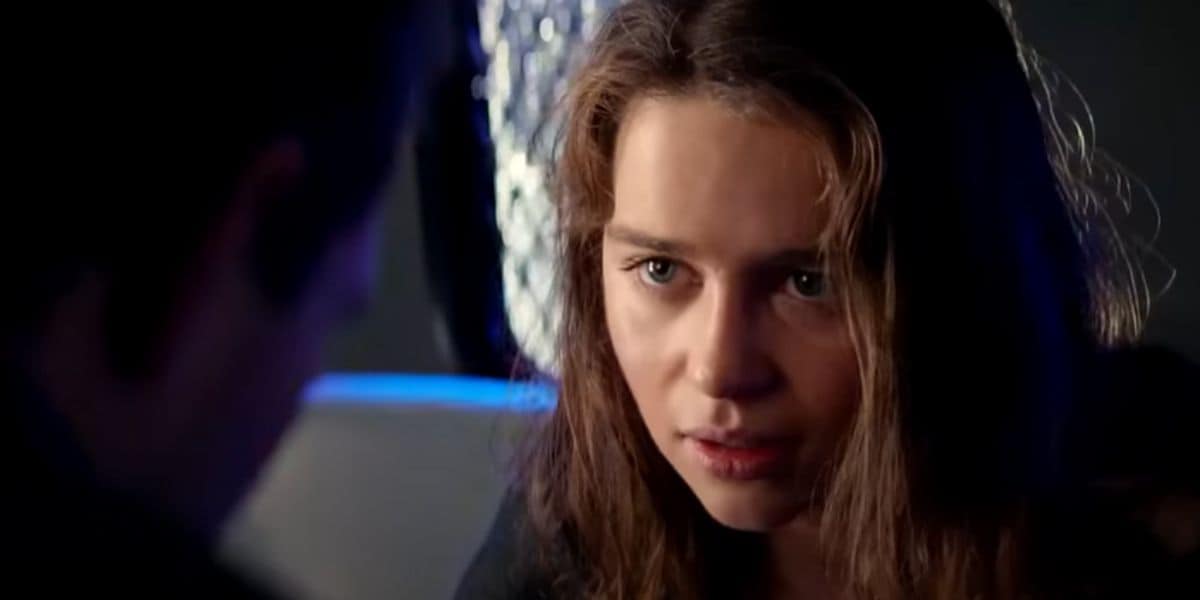
Similarly to Terminator, though, ultimately, that reset didn’t pay off. Not only was Genisys completely ignored by its follow-up, Terminator: Dark Fate (2019) — which was no better — but X-Men: Days of Future Past didn’t do anything with its new timeline either, as neither X-Men: Apocalypse (2016) nor X-Men: Dark Phoenix (2019) even bothered to capitalize on that reset.
Perhaps where these franchises went wrong was playing it too safe. Despite resetting their own timelines, Terminator kept Arnold Schwarzenegger and X-Men kept the likes of Hugh Jackman.

Star Trek, however, fully committed, and as a result of meddling with its own space-time continuum, got a trilogy of films.
Directed by J.J. Abrams, Star Trek (2009), which recast every iconic character aboard the USS Enterprise, is technically both a reboot of the franchise and a continuation, as the story takes place in an alternate reality where changes in history have arisen from both the villain Nero (Eric Bana) and the original Spock (with Leonard Nimoy reprising his role) traveling through time.
The new reality (dubbed the “Kelvin Timeline” by fans) was created to free the film from established continuity constraints while at the same time preserving original story elements. The film was followed by two sequels, Star Trek Into Darkness (2013) and Star Trek Beyond (2016).
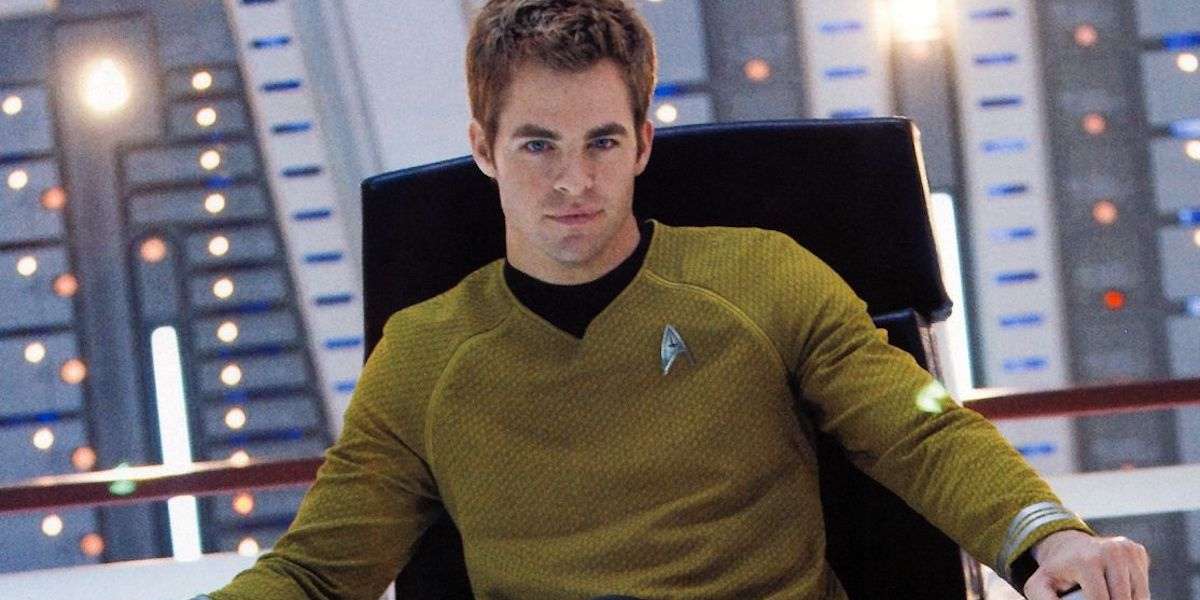
But while that continuity is now seemingly defunct, it still gives us plenty to think about where the other faraway galaxy is concerned.
Star Wars already has the right tools at its disposal in order to narratively wipe its own slate clean and launch a new era that’s unburdened by the mistakes of the past. In fact, there are a few.
The most obvious is the World Between Worlds, which was first introduced in the animated series Star Wars: Rebels (2014–2018) and was later revisited in Ahsoka.
It’s a mystical realm rich with the Force, where time and space can be manipulated.

But even beyond the World Between Worlds, there’s the Force itself, which, as we know, “is a pathway to many abilities some consider to be unnatural.”
Yes, we know that’s “not how the Force works,” but let’s face it — the Force has been evolving since the first Star Wars film came out in 1977.
There’s also the matter of hyperspace travel — who knows what kind of space-time continuum conundrum that kind of technology could cause if something went wrong.

Either way, it’s time for Star Wars to undergo a solid reset, one that’s probably similar to Star Trek. In other words, the franchise needs to create some sort of branch reality, as an alternate timeline is much less likely to anger fans who are (understandably) precious over established continuity, as it can still quietly acknowledge that the events of the past still actually took place.
What that looks like is unclear.
Could the upcoming Ahsoka Season 2 finally make use of the World Between Worlds? Will next year’s theatrical release, Star Wars: Starfighter, cut ties with established canon and start anew? Or is animation the future of the franchise? After all, such projects have consistently been met with acclaim from fans and critics. Could a full, animated rebooted be “the way” forward?
Obviously, this would involve erasing decades’ worth of canon. But at this rate, Disney and Lucasfilm might not have a choice.
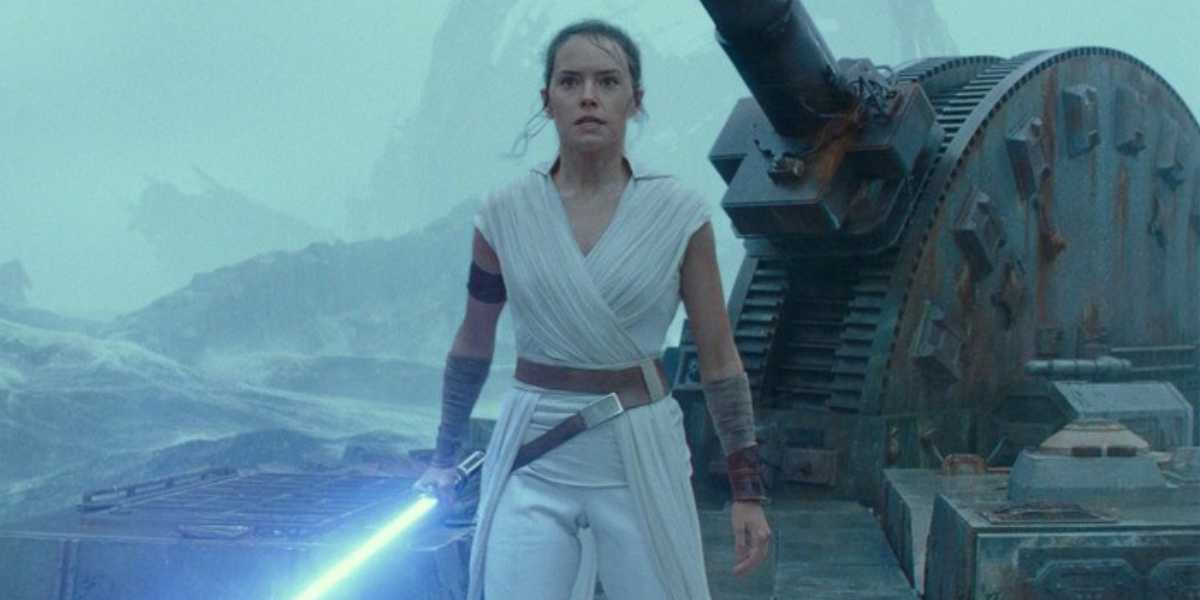
Star Wars: What’s Canon?
Star Wars‘ mainline canon is extensive.
Aside from films such as The Star Wars Holiday Special (1978), Caravan of Courage: An Ewok Adventure (1984), and Ewoks: The Battle for Endor (1985), the Star Wars Legends line (formerly the Expanded Universe), parody media like LEGO Star Wars, negligible shorts, and the anthology series Star Wars: Visions (which is neither part of Legends nor canon), the vast majority of Star Wars media released after the 2014 canon reclassification is considered canon.
That canon includes every Disney+ animated series (excluding Visions), every live-action television series since and including The Mandalorian (2019), the sequel trilogy films, and the three standalone movies, Rogue One (2016), Solo (2018), and The Mandalorian & Grogu (2026).
The main pre-2014 works retained within modern canon are George Lucas’ original six films (Episodes I–VI) and The Clone Wars (2008) film and the television series of the same name.
Do you think Star Wars should be rebooted? Share your thoughts with us in the comments below!