52
52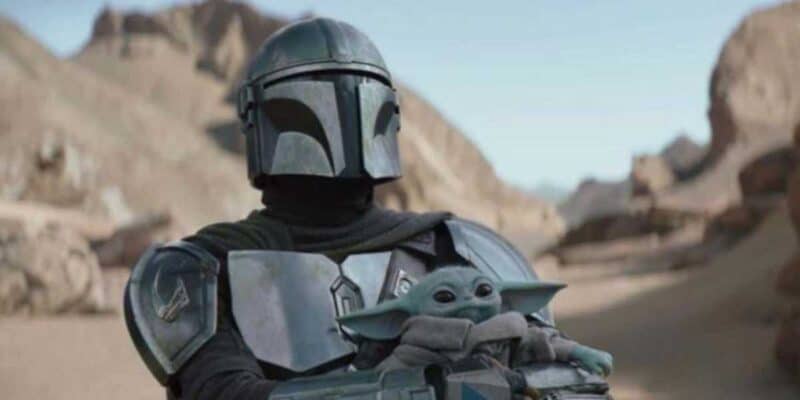
 Credit: Lucasfilm
It’s not good news for the Disney Star Wars tentpole as The Mandalorian and Grogu (2026) is officially pushed out of contention.

It was supposed to be the moment Star Wars reclaimed Hollywood. Instead, The Mandalorian and Grogu has become the latest cautionary tale about franchise overextension — and this week’s revelations have made it official.
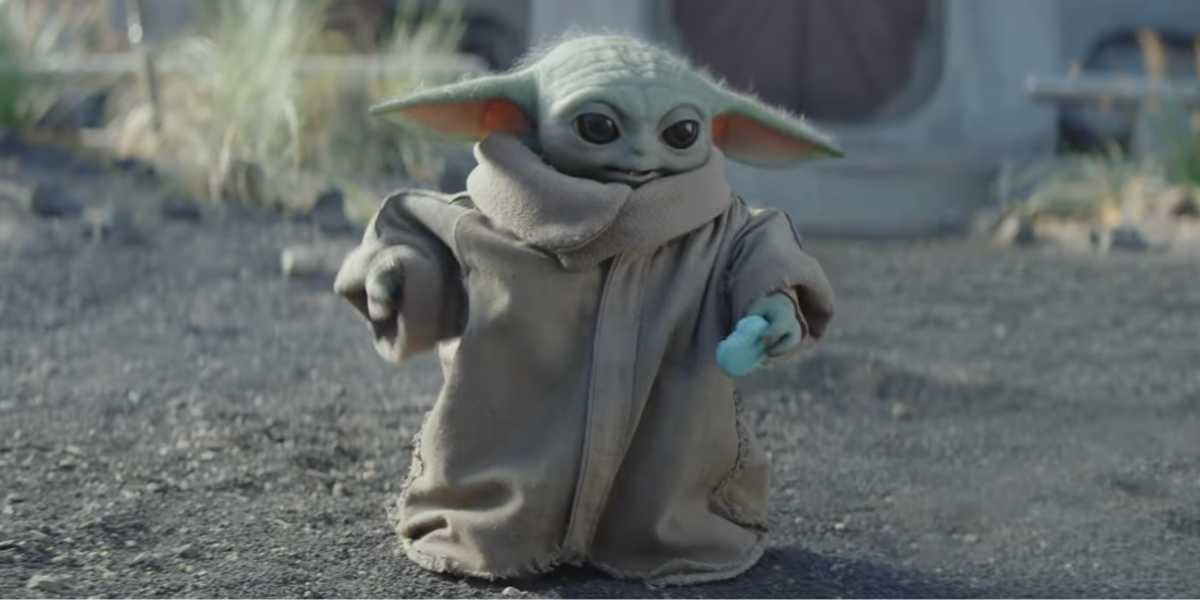
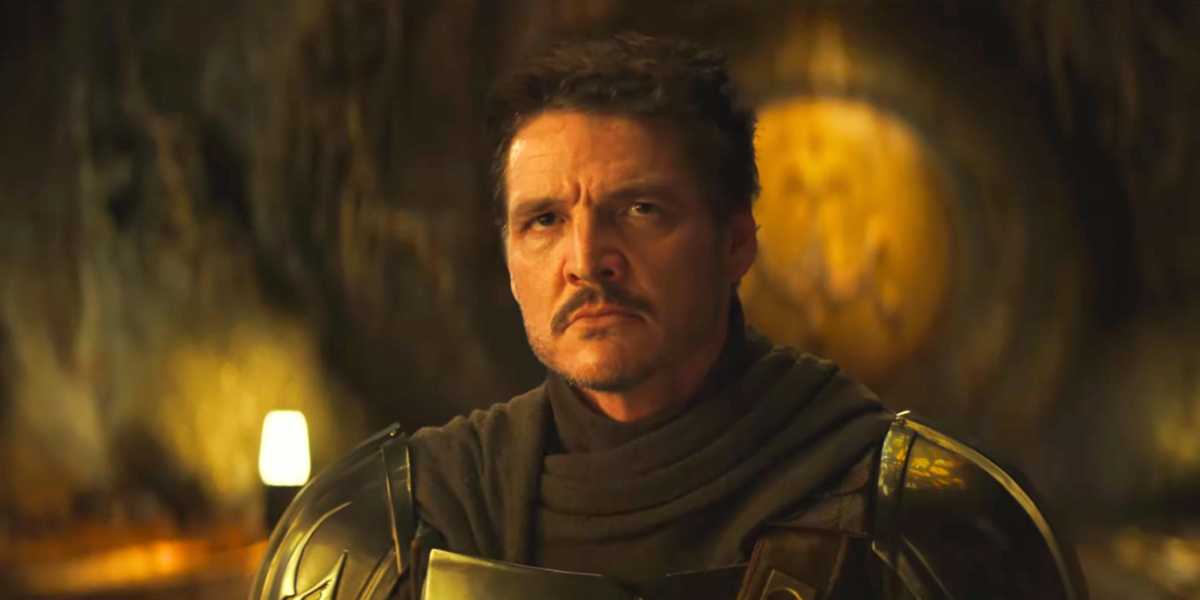
The road to The Mandalorian and Grogu moment began with genuine ambition. What Jon Favreau (director and showrunner) had originally structured as The Mandalorian Season 4 was retooled into a standalone theatrical feature — a calculated bet that the chemistry between Din Djarin, played by Pedro Pascal (The Last of Us, Gladiator II), and the galaxy’s most beloved green toddler could carry audiences from their couches back into multiplexes.
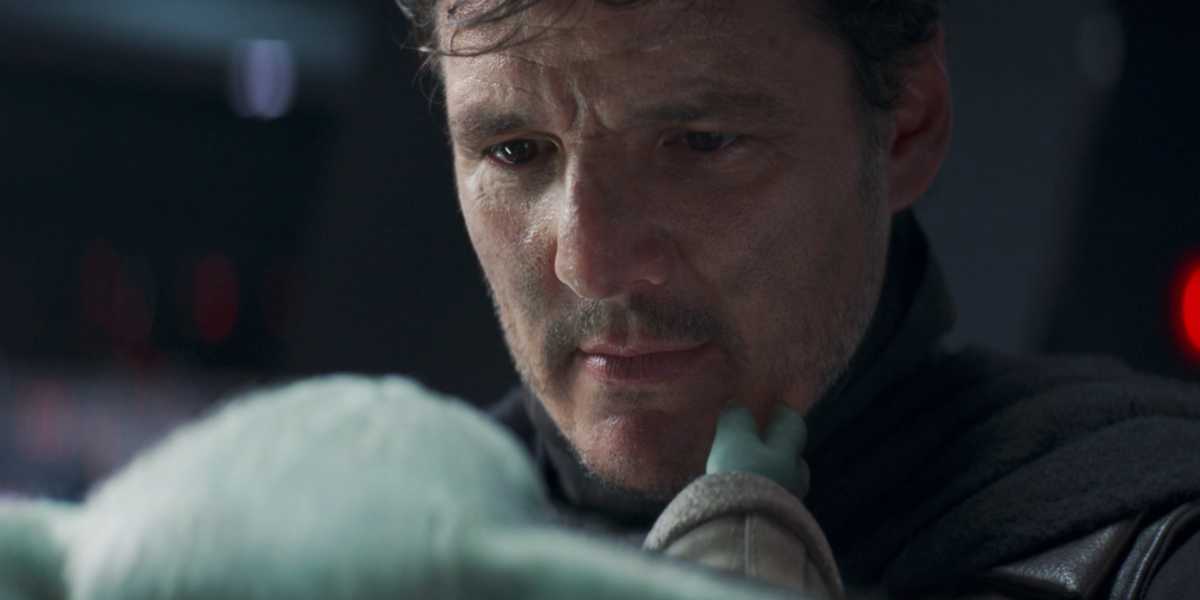
Favreau, who developed The Mandalorian from its very first episode on Disney+ in November 2019, shepherded the project alongside executive producer Dave Filoni, who now serves as co-president of Lucasfilm alongside Lynwen Brennan.
The restructuring required a near-complete rethinking of narrative architecture: serialized storylines that had rewarded years of subscriber loyalty were stripped away in favor of something built for a Friday-night theater crowd encountering these characters fresh.
Favreau has acknowledged publicly that the original Season 4 plans would have woven more directly into the Ahsoka storyline and the long-anticipated return of Grand Admiral Thrawn, played by Lars Mikkelsen (Sherlock), with fan speculation still running hot over how much of that material survived the translation to feature film. It seems, for the most part, none.

The opening weekend number — $165 million globally — looked passable on the surface. It matched the film’s production budget almost exactly, a coincidence that offered Lucasfilm very little room to breathe. But the second-weekend performance erased any cautious optimism.
The Mandalorian and Grogu collapsed by 69 to 70 percent in its sophomore frame, a drop that signals casual moviegoers — the floating audience that any franchise film needs to grow beyond its core base — simply never materialized in meaningful numbers.
That kind of fall, combined with the film’s failure to beat Focus Features’ Obsession (2025) during its own opening week, represents a compounding public relations problem.
As Forbes initially noted, daily tracking showed Obsession — starring Michael Johnston (as Baron “Bear” Bailey) and Inde Navarrette (as Nikki Freeman), a film that debuted at the Toronto International Film Festival before arriving in U.S. theaters on May 15 — was outpacing The Mandalorian and Grogu on a midweek Wednesday, pulling $5.6 million domestically to Mando’s $4.1 million. That was Obsession‘s second week. It was Mando’s first.
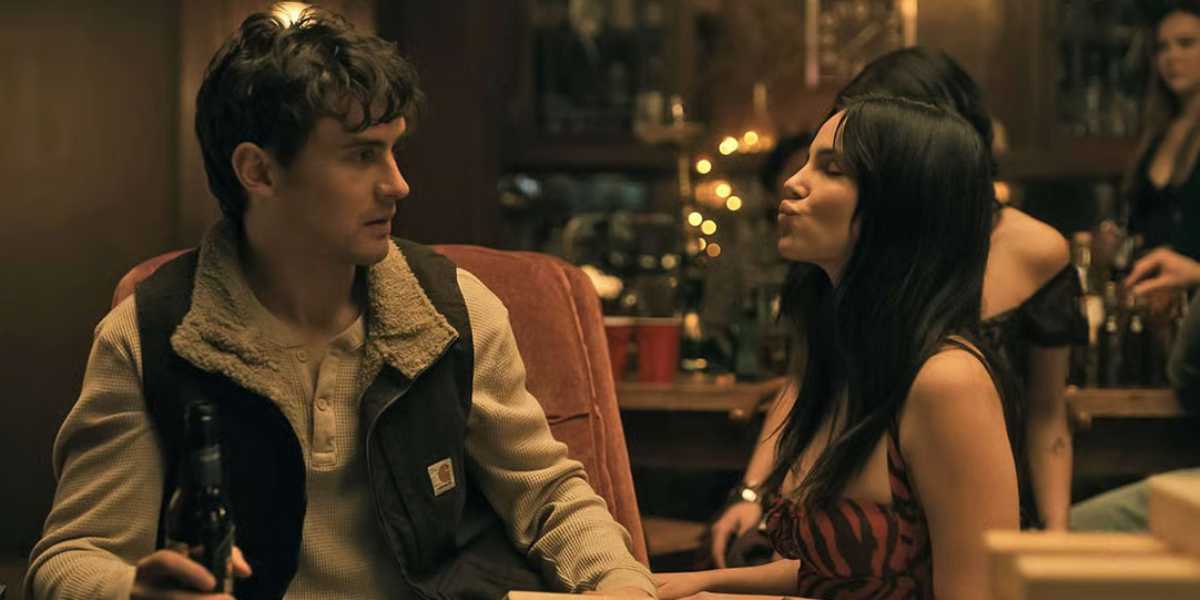
At last count, Curry Barker’s Obsession sits at $229.4 million globally — already eclipsing the Disney film’s entire opening weekend gross and reframing the conversation around what audiences in 2026 actually want to see.
Lucasfilm’s response has taken an unconventional form. A director’s commentary version of The Mandalorian and Grogu — announced through the TheaterEars official Instagram in partnership with Lucasfilm — has been released into theaters, offering viewers a layered experience with craft insights, behind-the-scenes context, and production perspective running alongside the existing footage.
On paper, it is a legitimate creative offering; studios have been experimenting with special editions and alternate cuts for decades. But releasing a commentary version mid-theatrical run, while second-weekend numbers are still reverberating through trade headlines, positions the move as something more complicated than a standard bonus feature.
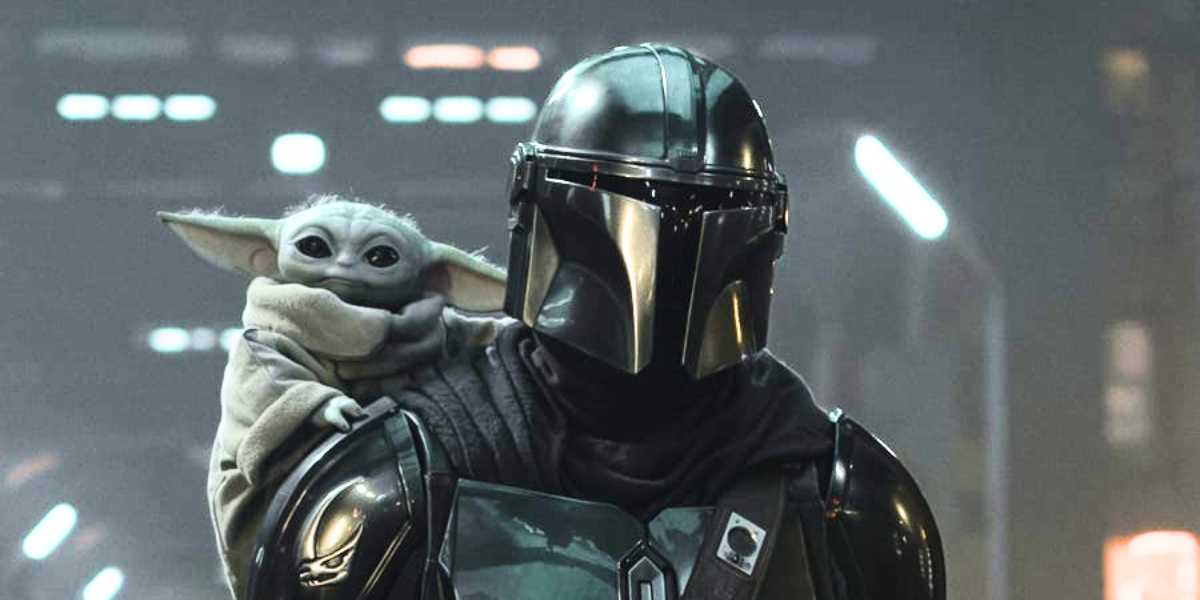
Whether it functions as a genuine value for fans who attended opening weekend and want a richer revisit, or as a theatrical lifeline dressed in cinephile clothing, is a question the box office will answer in the coming weeks.
But, according to box office analyst Gitesh Pandya, The Mandalorian and Grogu has failed to crack the top four at the domestic box office on Monday (June 8), a humbling result for a film carrying the weight of an entire franchise’s theatrical future.
Taking back the top spot was Obsession, Focus Features’ micro-budget word-of-mouth sensation — a film that cost approximately $1 million to produce and has somehow outrun a Disney tentpole for multiple consecutive days.
Obsession officially reclaimed the #1 spot at North American #boxoffice on MON!
$4.2M – #Obsession ($156.1M cume)
$4.13M – #ScaryMovie ($58.5M)
$3.29M – #Backrooms ($138.7M)
$2.1M – #MastersOfTheUniverse ($31.5M)Doing this in week #4 is astounding – especially for a horror movie!
Obsession officially reclaimed the #1 spot at North American #boxoffice on MON!
$4.2M – #Obsession ($156.1M cume)
$4.13M – #ScaryMovie ($58.5M)
$3.29M – #Backrooms ($138.7M)
$2.1M – #MastersOfTheUniverse ($31.5M)Doing this in week #4 is astounding – especially for a horror… pic.twitter.com/fuveGhCgiP
— Gitesh Pandya (@GiteshPandya) June 9, 2026
By Sunday’s three-day estimates, per Deadline, The Mandalorian and Grogu had sunk to sixth place with a cumulative domestic haul of just $10 million for the frame. For a film that was meant to signal the rebirth of Star Wars on the big screen, officially buried may be exactly the right phrase.
The stakes extend well beyond this single film.
Star Wars had spent the better part of seven years living almost exclusively on Disney+, building a dense interconnected streaming universe through series including The Book of Boba Fett, Obi-Wan Kenobi, Ahsoka, The Bad Batch, and Skeleton Crew — all orbiting the gravitational pull of The Mandalorian‘s success, which made Pedro Pascal a household name and turned Grogu into one of the most recognizable characters in popular culture nearly overnight.
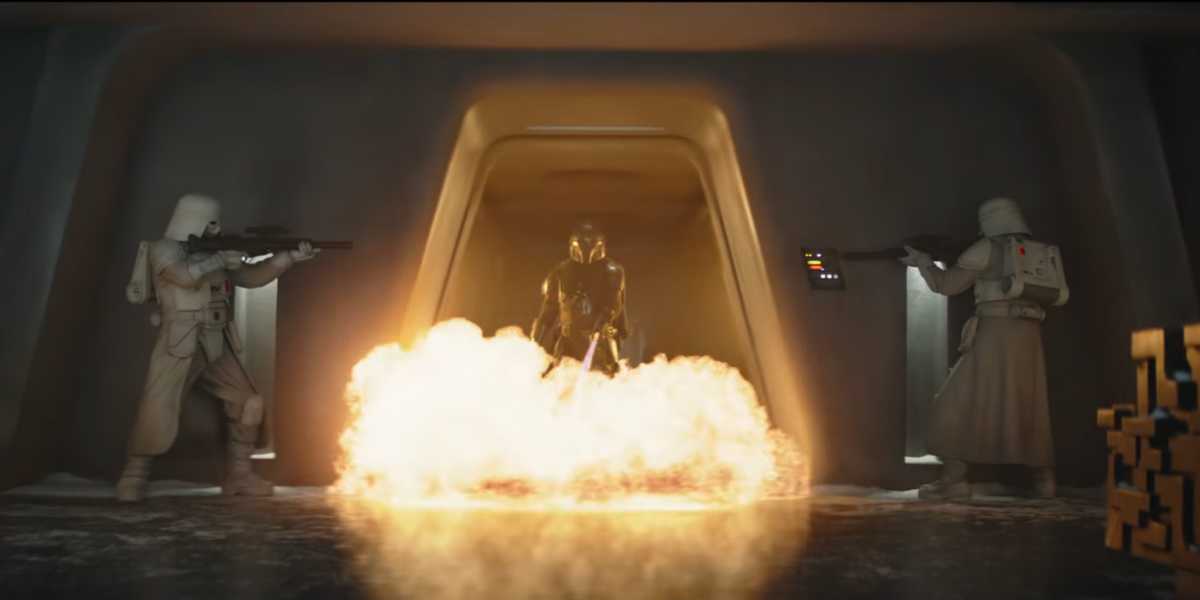
That streaming ecosystem worked. The pivot back to theaters was meant to be the next chapter, not a correction. The Mandalorian and Grogu‘s theatrical stumble now raises uncomfortable questions about whether the franchise’s audience ever fully committed to making that transition alongside it.
Looking further down the pipeline, Ahsoka Season 2 is headed to Disney+, where Dave Filoni will have space to address dangling threads from the first season — including what happened to Sabine Wren, played by Natasha Liu Bordizzo (The Society), and Ezra Bridger, played by Eman Esfandi (Spider-Man: Brand New Day).
Filoni, ever the philosophical steward of Star Wars mythology, recently offered a measured take on the franchise’s current moment: “Everything works as planned. Like a Jedi, you must keep your mind in the here and now.” It is the kind of statement that reads differently when the here and now involves a near-70 percent box office crater and a sixth-place Monday finish.
The longer runway belongs to Star Wars: Starfighter (2027), where Deadpool & Wolverine (2024) director Shawn Levy is assembling what looks, on paper, like a genuine commercial recalibration. Ryan Gosling — coming off the runaway success of Amazon-MGM’s Project Hail Mary (2026) — leads a cast that carries real marketplace credibility.
The Levy-Gosling combination has the kind of mainstream appeal that does not require audiences to have watched years of streaming television before buying a ticket. But whether that goodwill holds depends partly on what The Mandalorian and Grogu has done to audience confidence in the brand between now and then.
Disney’s Star Wars movie has been officially buried, and the galaxy far, far away is going to be reckoning with what that means for a while. The commentary cut is still running. The question is whether anyone is still going to theaters to hear it.
What do you think Disney will do with the Mando-Verse now that the movie has become the lowest-grossing Star Wars film of all time? Let Inside the Magic know in the comments down below!