 1
1
 Credit: Disney
At the intersection of internet infamy and theme park nostalgia, a new set of images circulating online has sparked unease among Disney fans and observers of pop culture alike.
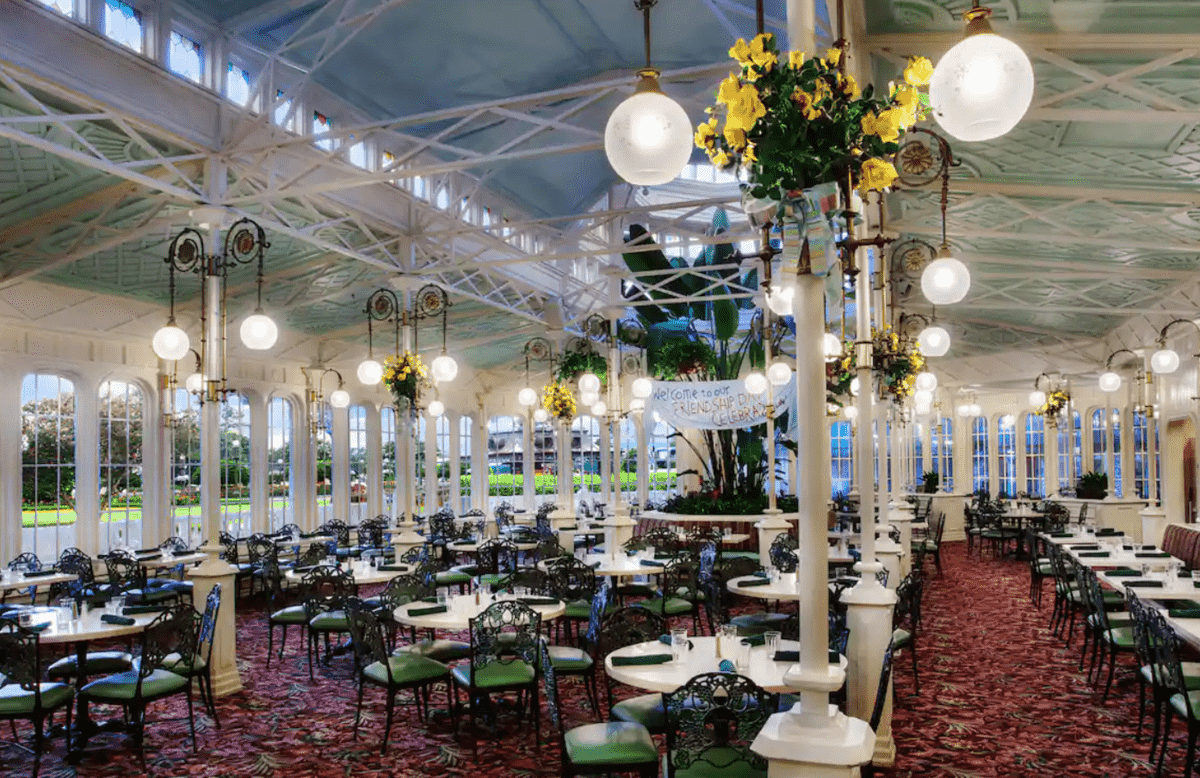
Recently released photos from the Epstein files appear to show Jeffrey Epstein posing alongside Piglet and Winnie the Pooh at the Crystal Palace restaurant inside Walt Disney World Resort, a setting known for its pastel tones, character breakfasts, and family-friendly atmosphere.
The images, which began spreading across social platforms shortly after their release, have drawn attention not because of any new allegations, but because of the stark contrast they present.
The Crystal Palace, located on Main Street, U.S.A. in Magic Kingdom Park, is widely associated with wholesome character interactions and childhood memories. Seeing Epstein, a figure synonymous with criminal abuse and scandal, placed within that context has struck many viewers as unsettling.
NOOOO WINNIE THE POOH IS IN THE EPSTEIN FILES💔💔 pic.twitter.com/FpUmP3Lkd1
— kira 👾 (@kirawontmiss) December 19, 2025
An Unsettling Visual
According to online discussions surrounding the newly surfaced material, the photos are part of a broader cache often referred to as the Epstein files, a term commonly used to describe documents and media released in connection with legal proceedings and investigative reporting tied to Epstein’s criminal history.
The authenticity and precise circumstances of individual images within these releases can vary, and as of this writing, there has been no official statement from Disney confirming details about the specific photographs.
Still, the visual itself has proven powerful. Piglet and Winnie the Pooh, two of Disney’s most enduring fictional characters, are designed to evoke comfort, innocence, and safety. Their presence beside Epstein, even in a posed, seemingly ordinary vacation-style photo, has led many viewers to describe the images as eerie or disturbing, precisely because of the wholesome setting in which they were taken.
Crystal Palace occupies a unique place within Walt Disney World Resort. The restaurant has long been marketed as a gentle, nostalgic dining experience inspired by Victorian-era glass architecture and populated by characters from the Hundred Acre Wood.
Families often choose the location for its calm atmosphere and the opportunity for young children to meet characters in a controlled, friendly environment. Against that backdrop, the resurfaced images have prompted renewed discussion about how public spaces intersect with the private histories of those who pass through them.
The Files Released
Jeffrey Epstein was a frequent traveler and socialite during the years before his arrest, and publicly available records have long established that he visited a wide range of high-profile destinations.
The appearance of Disney-related imagery among the materials associated with him is not, on its own, evidence of wrongdoing at the location. However, for many viewers, the emotional reaction stems from the collision of two vastly different symbolic worlds.
Winnie the Pooh and Piglet are not merely mascots, but cultural touchstones associated with early childhood. Their use in Disney parks is carefully curated to reinforce a sense of trust and safety. When images place those characters alongside someone later convicted of serious crimes, the dissonance can be jarring, even if the photos themselves depict nothing overtly inappropriate.
Much of the reaction online has focused less on the logistics of how or when the photos were taken and more on what they represent symbolically. Commenters have pointed out that Walt Disney World is a destination visited by millions of guests each year, including individuals from all walks of life.
In that sense, the presence of a now-infamous figure in a public park during an earlier period is not inherently surprising. What unsettles viewers is the reminder that public-facing magic often exists alongside private realities that remain unseen at the time.
Historically, Disney parks have served as backdrops for countless photographs featuring celebrities, politicians, business leaders, and private citizens alike. Those images typically fade into personal albums and archives. In this case, however, the broader cultural reassessment of Epstein’s life has caused even mundane or vacation-style photos to be reevaluated through a darker lens.
FROM THE EPSTEIN FILES:
Jeffrey Epstein poses with Piglet pic.twitter.com/DHdgsR0WdN
— 𝙂𝙐𝙈𝘽𝙔 (@gumby4christ) December 20, 2025
The Release Continues
The discomfort expressed by many viewers also reflects a larger cultural moment. In recent years, there has been increased scrutiny of how powerful individuals moved through elite and family-oriented spaces without raising alarms. Images like these, even when they document otherwise ordinary activities, can reignite questions about visibility, accountability, and the assumptions people make about safety in curated environments.
From a media perspective, the viral spread of the photos highlights how context reshapes meaning. A character breakfast photo that might once have been forgettable now carries weight because of what is known today. The wholesome background of the Crystal Palace amplifies that effect, turning a familiar Disney location into an unexpected focal point of online debate.
In the end, the photos have resonated because they challenge the emotional boundaries people place around certain environments. Walt Disney World is carefully designed to feel insulated from darker realities, but the resurfacing of these images demonstrates that even the most carefully curated spaces are still part of a broader human landscape.
The discomfort many feel is less about the photograph itself and more about what it reveals when past and present collide.