

 Credit: Disney
For a lot of Disney fans, Happily Ever After has always been more than a fireworks show. It’s the emotional exhale at the end of a long park day. It’s the moment when parents lift tired kids onto their shoulders one last time. It’s the music that lingers as guests slowly drift toward the exit, reluctant to let the night end.
So when something about it changes—even slightly—it doesn’t go unnoticed. And right now, there’s a subtle shift happening that has longtime viewers both curious and just a little unsettled.

Most guests wouldn’t catch it right away. The music still rises at the same beats. Fireworks still bloom across the sky in familiar patterns. Projections still wash over Cinderella Castle with scenes that have moved audiences for years. Yet there’s an absence. Something that used to feel woven into the rhythm of the show isn’t there at the moment, and once you recognize it, it’s hard not to think about why.
The story begins earlier in the day, long before the first spark lights up the sky.
Cinderella Castle is undergoing a repainting process, and while cosmetic updates are nothing new, this one carries a bit more emotional weight. The castle has worn its pink and royal blue tones since the anniversary celebration, and now Disney is gradually guiding it back to a softer, more classic look. On the surface, it sounds simple enough. But anyone who’s spent time in the parks knows that when the castle changes, it has a ripple effect.
That ripple has quietly reached Happily Ever After.
Right now, the fireworks, projections, and pyrotechnics continue much as they always have. The heart of the show remains intact. But lasers are temporarily absent. It’s especially noticeable during sequences that once leaned heavily on those beams of light, where sharp bursts of color used to cut through the night sky. Without them, certain moments feel slightly different. The timing still works. The music still lands. But there’s a missing layer that longtime viewers can sense, even if they can’t immediately name it.

For some guests, it’s barely a blip in the experience. For others, it introduces a quiet question: if one visual element can be removed, even temporarily, what else might shift while the castle continues its transformation?
Nighttime spectaculars hold a special place in Disney culture because they represent consistency. Guests know that no matter how much evolves around them—new rides, rethemed lands, changing menus—the fireworks often remain a steady emotional anchor. They mark the end of the day in a way that feels familiar, comforting, and shared.
When Happily Ever After first debuted, it quickly earned a reputation as one of the most emotionally resonant finales in Magic Kingdom history. It’s pause a few years later left many fans nostalgic, and its return felt like a reunion. Even upgrades to projections and lighting didn’t disrupt that sense of familiarity. They simply added polish.
This moment feels different. Not dramatic. Not disruptive. Just enough of a shift to create conversation.
There’s something fascinating about watching a beloved tradition adapt in real time. The show continues to draw crowds every evening. Guests still claim their spots on Main Street hours in advance. Children still gasp at the first explosion of color overhead. Yet there’s a quiet awareness that what they’re watching isn’t exactly the same version they might remember from their last visit.
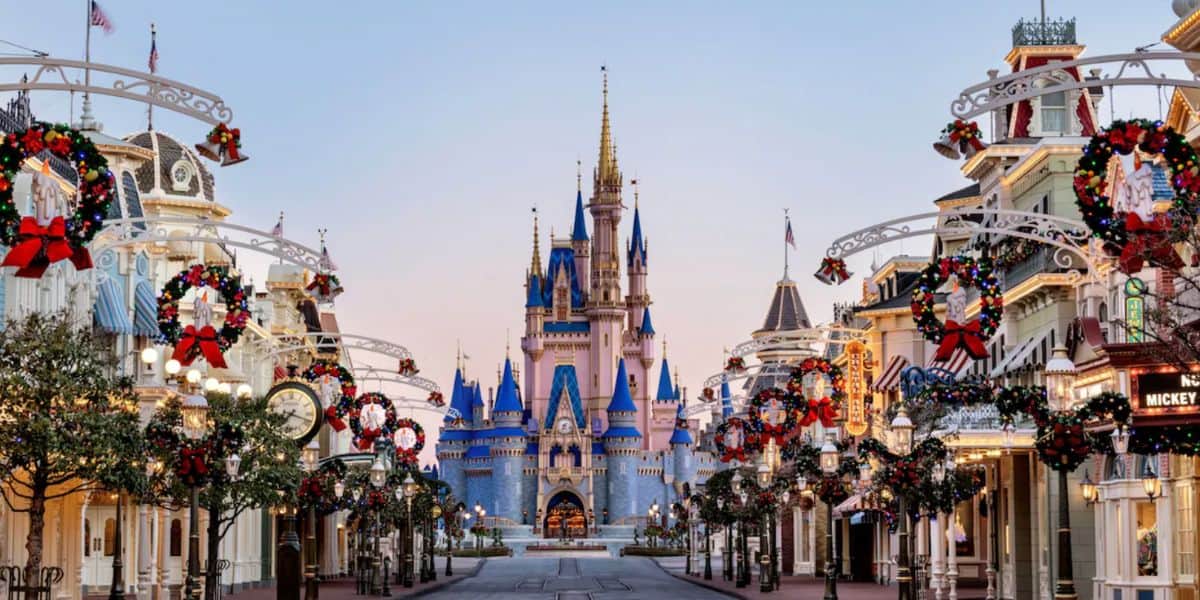
The repainting of the castle has also influenced smaller elements throughout the park. Welcome moments that once included additional flourishes now feel simpler. Performance schedules have shifted slightly. Even casual observers sense a kind of choreography happening behind the scenes, one designed to keep everything moving while larger work unfolds.
That balance isn’t always easy. Construction walls appear and disappear. Timetables adjust. Visual cues evolve. None of it disrupts the day outright, but it introduces a sense of unpredictability that guests aren’t always used to when it comes to cornerstone experiences.
And unpredictability, even in small doses, changes how people perceive something as emotionally charged as a nighttime spectacular.
What makes this moment especially intriguing is how little clarity exists around the long-term picture. Painting is expected to continue for some time, but there isn’t a precise moment marked on the calendar for when every visual element of the show will return to its full form. The lasers may come back once conditions allow. There could be additional adjustments along the way. For now, there’s simply a sense of waiting.
That unknown lingers in the background as the music begins each night.

It doesn’t take away from the beauty of the show, but it shifts how people watch it. Guests find themselves paying closer attention, scanning the sky, wondering if tonight’s version might feel closer to what they remember or if subtle changes will continue.
In a way, it adds a new emotional layer. The show becomes not just a celebration of Disney storytelling but also a reflection of change itself.
Disney parks have always evolved. Attractions close. New lands rise. Entertainment rotates in and out. But in recent years, fans have grown more sensitive to modifications that affect long-standing traditions. There’s a heightened awareness that not every change is temporary.
That perspective shapes how people react to moments like this. Even though Happily Ever After remains largely the same, the absence of one visual feature becomes symbolic. It reminds guests that nothing stays frozen in time, even the experiences they hold closest.
For some, that realization deepens appreciation for what still exists. For others, it introduces a gentle sense of worry about what might come next.
Each evening, crowds continue to gather in front of the castle as they always have. Phones rise into the air. Children settle onto shoulders. Conversations fade as the first notes of the soundtrack float across the park. For a few minutes, everything feels wonderfully familiar again.
Yet there’s a subtle undercurrent now. Guests exchange glances when certain visual cues don’t appear as expected. Some notice right away. Others realize later when comparing memories from previous visits.
That’s the nature of a beloved experience in transition. It reveals its differences gradually, inviting people to reflect on what they value most about it.

The repainting of Cinderella Castle will eventually finish. Visual elements will likely return in full. On the surface, this chapter may one day blend seamlessly into the long timeline of Magic Kingdom changes.
But right now, it captures something more nuanced. It represents a moment where nostalgia and evolution meet. Guests are reminded that even traditions shift, sometimes quietly, sometimes without clear answers.
The magic of Happily Ever After hasn’t faded. It still resonates across the park every night. But the absence of lasers has introduced a pause, a reminder that cherished experiences are always in motion.
For now, the show continues beneath a sky that feels just a little different. And maybe that’s part of what keeps people coming back night after night. Not just to relive memories, but to see how the story unfolds next, knowing that even in a place built on fantasy, change is always part of the journey.