4
4
 Credit: Marvel Studios
Marvel Studios appears to be setting the stage for one of the most unusual and potentially divisive shifts in the history of the Marvel Cinematic Universe—and it all seems to begin with a return to 2019’s Avengers: Endgame.
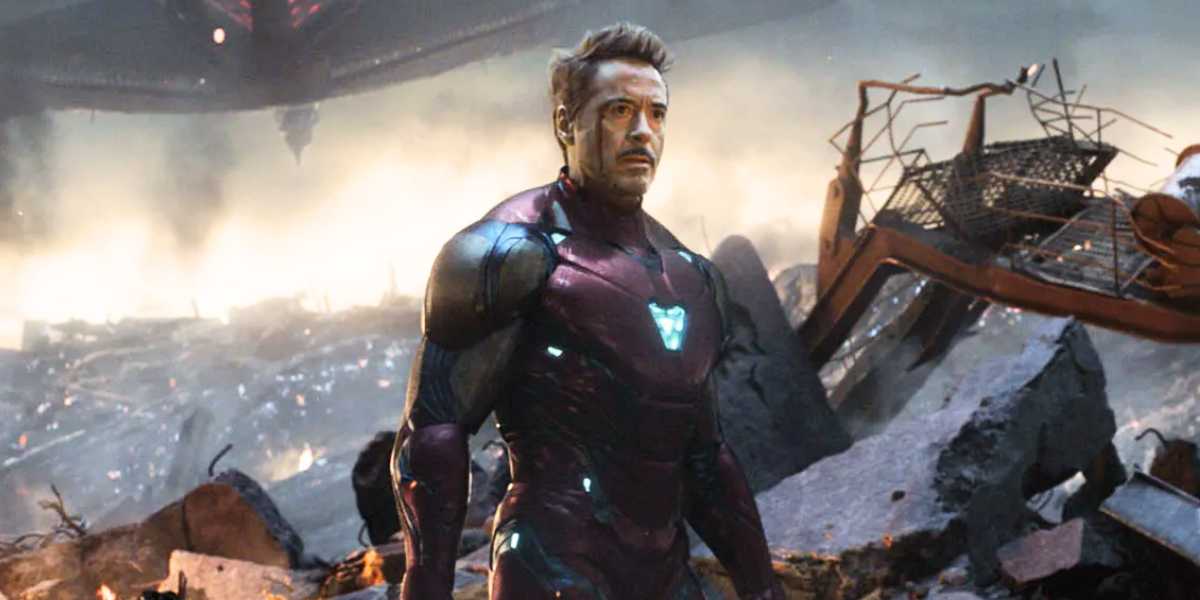
When Avengers: Endgame first hit theaters, it was billed—and widely accepted—as a definitive conclusion to the Infinity Saga. The film wrapped up over a decade of storytelling, concluding arcs for heroes like Tony Stark/Iron Man (Robert Downey Jr.) and Steve Rogers/Captain America (Chris Evans) in a way that felt both final and emotionally resonant. Now, that ending may no longer be quite so final.
Marvel has confirmed it will re-release Avengers: Endgame this year ahead of Avengers: Doomsday (2026). The movie will include additional footage intended to act as a narrative bridge into Avengers: Doomsday, as confirmed by Joe Russo, one half of the directing duo the Russo Brothers, at the Sands Film Festival.
While studios have reissued films with bonus content before, this situation appears different. Rather than offering deleted scenes or alternate takes, the new material is said to carry genuine story weight—effectively repositioning Endgame as the starting point for the MCU’s next major saga.
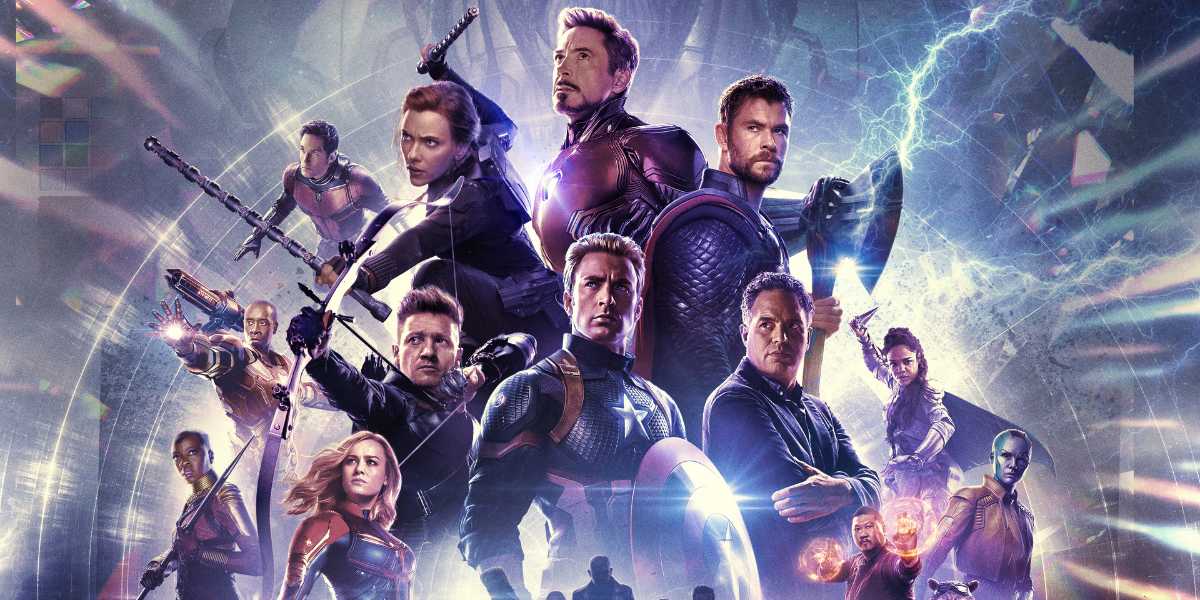
“It’s an opportunity to create a bridge from Endgame to Doomsday in a very unique way, and because the movie was so successful, we have an opportunity to re-release it,” Russo explained (via Forbes).
“You don’t always get the chance to re-release because it costs money, so the fact that we can enhance the story of Doomsday by bridging it to Endgame and these characters that we worked with for years that we love so much, and continue their story: It’s a really unique opportunity.”
At the heart of Avengers: Doomsday lies a concept Marvel has been steadily building toward: Multiversal collapse. Reports suggest the film will revolve around “incursions,” catastrophic events in which entire realities collide and threaten mutual destruction.

If that sounds familiar, it’s because Marvel has been laying the groundwork across multiple projects. But Doomsday is expected to take things further than ever before, bringing together heroes and villains from across timelines, franchises, and even previously separate cinematic universes, all tied together by Robert Downey Jr.’s MCU return as Victor Von Doom/Doctor Doom.
This includes not just the Avengers, but also teams like the Fantastic Four and the X-Men—groups that, until recently, existed outside the MCU’s core continuity.
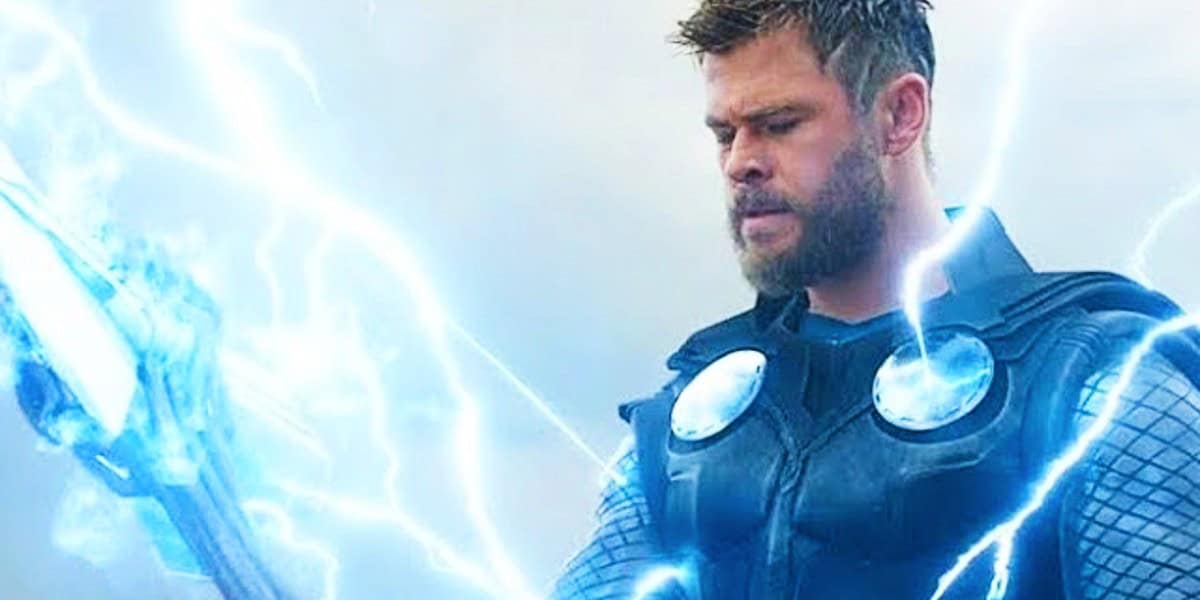
Perhaps most surprising are characters once thought to be long retired who return in Doomsday. Chief among them is Chris Evans’ Steve Rogers, whose story seemingly concluded at the end of Endgame.
Other returning figures, including Thor (Chris Hemsworth), are also expected to play key roles as the MCU grapples with threats on a Multiversal scale. Meanwhile, the introduction of iconic characters like Doctor Doom signals a shift toward new central antagonists—ones capable of challenging not just individual heroes, but entire realities.
All of this signals a larger, more controversial possibility: that Marvel may be preparing to reshape its own continuity.

Behind the scenes, Marvel Studios president Kevin Feige has long emphasized the importance of cohesion within the MCU. But as the franchise has expanded—spanning films, Disney+ series, and Multiverse storylines—that cohesion has become increasingly difficult to maintain.
The solution, according to speculation, may be a partial “reset.” Rather than wiping the slate clean entirely, Marvel could use Doomsday and its follow-up to streamline the timeline—preserving the majority of past events while selectively revising or removing others. It’s a strategy that would allow the studio to keep fan-favorite moments intact while addressing continuity challenges and introducing new characters more seamlessly.

If true, the addition of new footage to Endgame starts to make more sense. By retroactively inserting connective tissue, Marvel can ensure that even its most iconic film aligns with the direction the universe is heading.
The re-release of Avengers: Endgame also appears to serve a practical purpose: preparing audiences for what comes next. Much like Avengers: Infinity War (2018) set the stage for Endgame, Doomsday will lead directly into an even larger crossover event: Avengers: Secret Wars (2027).
In that context, revisiting Endgame with new material isn’t just about nostalgia. It’s about recontextualization. The film that once marked the end of an era may now function as the midpoint in a much larger, ongoing narrative.

Unsurprisingly, these developments have sparked mixed reactions among fans. On one hand, the prospect of new footage, returning characters, and massive crossovers is undeniably exciting. For many, the chance to experience Endgame again—this time with fresh story elements—is an easy sell.
On the other hand, there are concerns about what these changes mean for the film’s legacy. Endgame was celebrated not just for its scale, but for its sense of closure. Altering that—even slightly—risks undermining the emotional weight that made it so impactful in the first place.
There’s also the broader question of continuity. If Marvel begins revising its own history, where does it stop? And how will audiences keep track of what still “counts” within the ever-expanding Multiverse? Not only that, but Disney and Marvel Studios just made this re-release of a seven-year-old movie essential viewing for Doomsday.
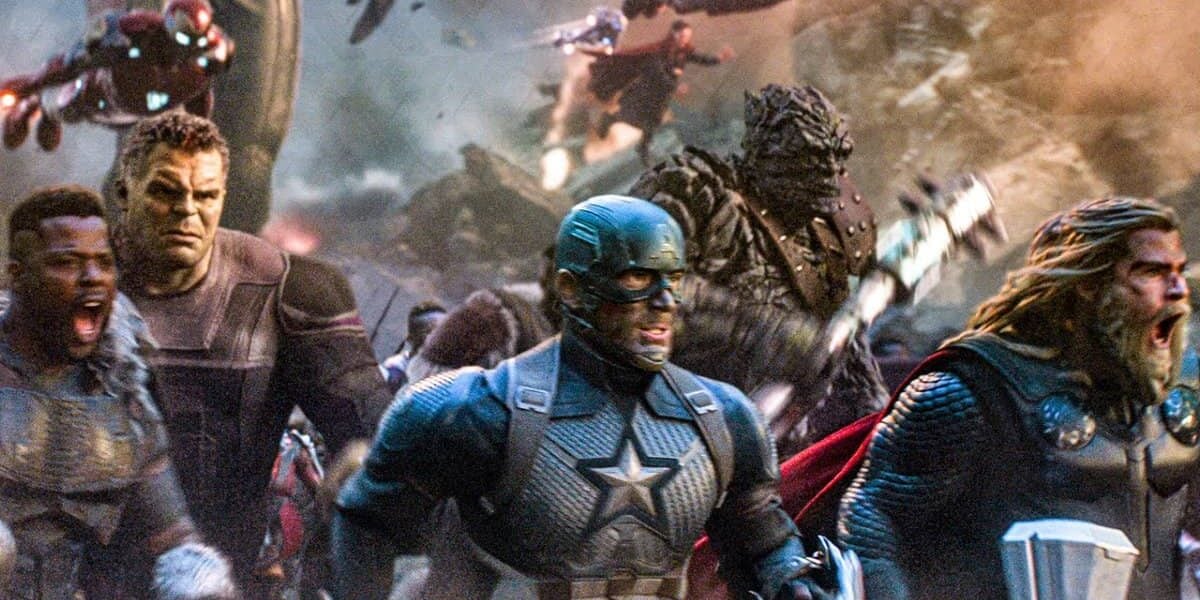
Whether these concerns prove justified remains to be seen. Much of the information surrounding Avengers: Doomsday is still based on reports and speculation, and Marvel has yet to officially confirm many of the more dramatic claims. By revisiting its past while simultaneously building toward its future, Marvel appears to be attempting something unprecedented: evolving a shared cinematic universe not just forward, but sideways—and perhaps even backward.
If it works, it could redefine how long-running franchises approach continuity and storytelling. If it doesn’t, it may leave fans longing for the simpler days when an ending truly meant the end.
Either way, one thing is certain: the MCU as audiences know it may be about to change forever. Avengers: Endgame will re-release in theaters on September 25, 2026, ahead of Avengers: Doomsday‘s release–in Infinity Vision–on December 18, 2026.
How do you feel about the re-release of Avengers: Endgame and its importance ahead of Avengers: Doomsday? Let Inside the Magic know in the comments down below!