Credit: rickpilot_2000, Flickr
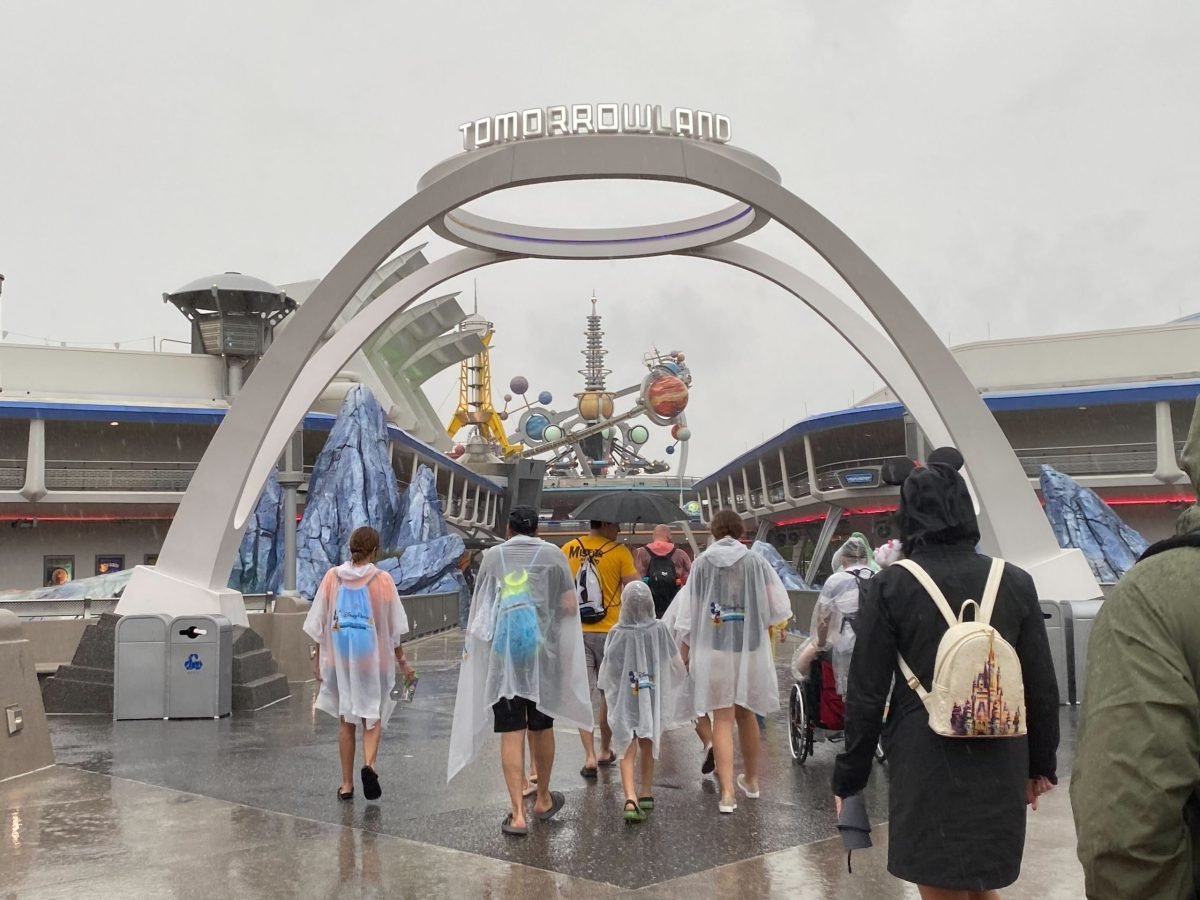
Tomorrowland has never been the loudest land at Magic Kingdom when it comes to change. There are no grand countdowns or ceremonial send-offs. Instead, things quietly shift. A structure disappears. A familiar routine feels different. And suddenly, guests realize the land they thought they knew has subtly moved on.
That’s exactly what’s happening right now.
Over the past several months, Disney has made a series of low-key but meaningful changes across Tomorrowland. A longtime PeopleMover feature has been permanently removed. A familiar snack kiosk has been demolished and replaced with something brand new. And one of the land’s most recognizable attractions, Buzz Lightyear’s Space Ranger Spin, remains closed amid ongoing work that signals a very different experience ahead.
Individually, these changes may not sound alarming. Together, they suggest Tomorrowland is entering a transitional phase—one Disney hasn’t formally announced, but clearly isn’t hiding either.
A familiar Tomorrowland feature disappears for good
For many guests, Tomorrowland’s Transit Authority PeopleMover isn’t just a ride—it’s a ritual. It’s where tired feet rest, overheated bodies cool down, and the land reveals itself from above.
Part of that experience included the ride’s old entrance turnstile area. It wasn’t flashy. It wasn’t high-tech. But it added structure to the experience. You paused. You queued. You stepped through with intention.
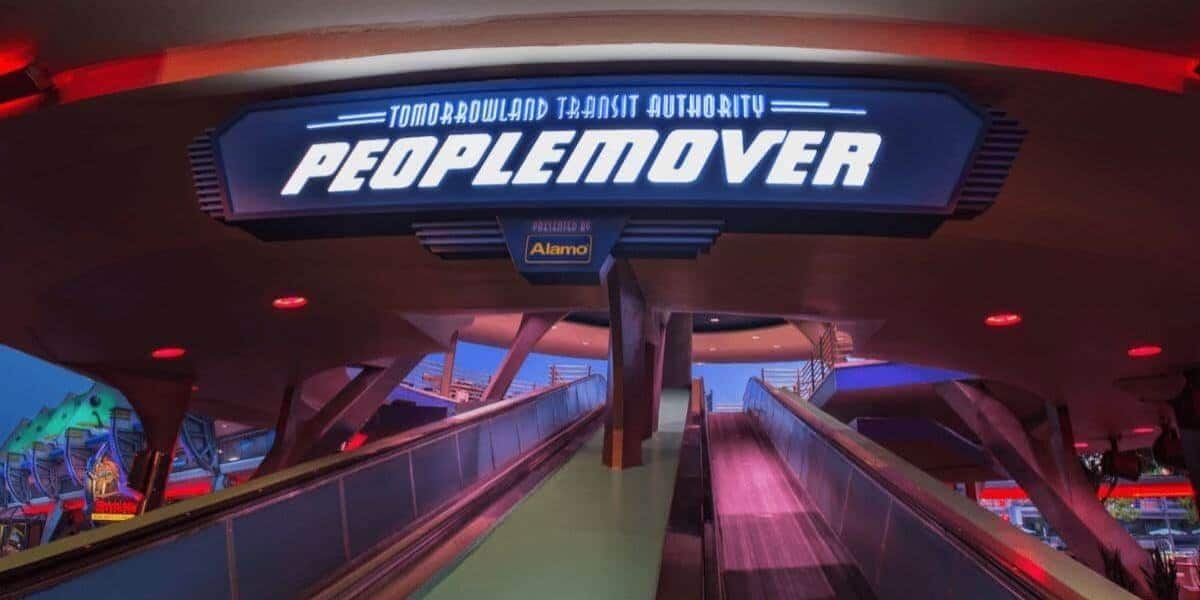
Earlier this year, that feature was quietly removed.
At first, it seemed like routine maintenance. Disney removes and reinstalls things all the time. But as weeks passed, it became clear this wasn’t temporary. The turnstile wasn’t coming back.
Disney confirmed the removal was permanent.
Operationally, the change makes sense. The PeopleMover thrives on continuous loading. Removing an entry bottleneck keeps the line flowing and reduces confusion for guests unfamiliar with older ride mechanics.
Emotionally, though, the removal landed differently.
For longtime visitors, it marked the loss of one more “old Tomorrowland” detail—one of those background elements that helped the land feel like a functioning transit system rather than just another attraction queue. The ride still exists. The track still glides overhead. But something about the experience has been streamlined in a way that’s hard to ignore.
A snack stand replacement signals a visual shift
Not far from the PeopleMover, another Tomorrowland staple met a similar fate.
For years, Cool Ship sat near Space Mountain as a reliable, familiar stop. It wasn’t a destination. It didn’t need to be. It simply belonged. Guests grabbed snacks there without thinking twice, often barely registering its design because it had always been part of the landscape.
Then it closed.
Initially, the closure didn’t raise alarms. Food locations come and go. But this time, the structure itself was removed. Construction walls went up. And eventually, Cool Ship was gone entirely.

In its place now stands AstroFizz, a brand-new kiosk that looks noticeably more modern. The colors are brighter. The design feels more intentional. It looks less like a relic of an older Tomorrowland and more like something built for the land Disney wants Tomorrowland to be now.
This wasn’t a refurbishment. It was a reset.
And while replacing a snack stand might seem minor, kiosks play a big role in shaping how a land feels. They sit at eye level. They fill negative space. They subconsciously tell guests what era they’re standing in.
AstroFizz sends a clear message: Tomorrowland is being cleaned up visually, whether guests realize it or not.
Buzz Lightyear’s closure changes the land’s energy
While the PeopleMover and kiosk changes reshaped Tomorrowland’s look and flow, Buzz Lightyear’s Space Ranger Spin has had the biggest impact on how the land feels day to day.
The attraction has been closed since August, with Disney pointing toward a spring reopening. That alone wouldn’t raise eyebrows—rides close for refurbishment regularly.

What stands out is the scope of the work.
This isn’t a quick touch-up. Everything about the project suggests a deeper overhaul, including updates to gameplay systems and ride components. Buzz Lightyear has long been one of Tomorrowland’s most repeatable attractions. Guests don’t just ride it once. They ride it, compare scores, and jump back in line.
That repeatability matters.
Buzz absorbs families. It pulls crowds away from Space Mountain and other headliners. It helps spread guests out across the land.
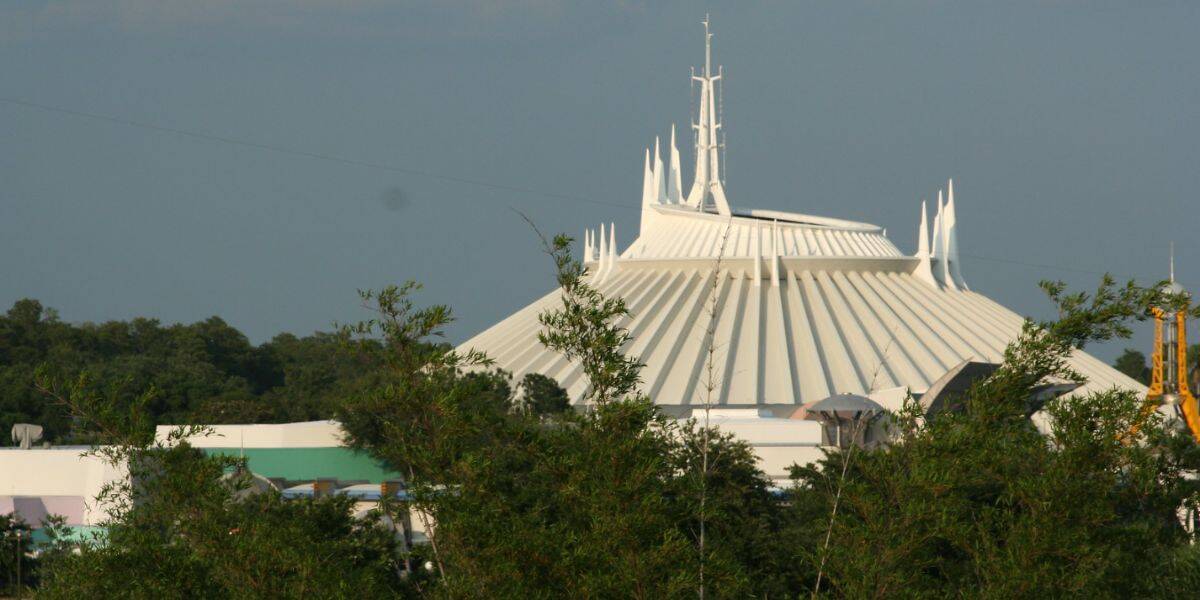
Without it, Tomorrowland feels tighter. Louder. More crowded in certain corners. The absence of Buzz doesn’t just remove an attraction—it disrupts the land’s balance.
And Disney hasn’t shared much about what the updated version will look like when it returns, leaving guests to speculate as they pass by construction walls.
These changes aren’t happening in isolation
Taken one by one, each of these updates can be explained logically.
The PeopleMover entrance was simplified for efficiency. Cool Ship was replaced to modernize Tomorrowland’s look. Buzz Lightyear is being upgraded to stay relevant. But when viewed together, they point to something more deliberate.
Disney appears to be reshaping Tomorrowland piece by piece, without committing to a full-scale reimagining that would invite scrutiny, expectations, and comparisons to past concepts.

There’s no official announcement. No sweeping concept art. No timeline posted for guests to debate.
Instead, Disney is letting Tomorrowland evolve quietly—removing older elements, updating visuals, and reworking attractions behind the scenes.
It’s a slower approach. And it leaves room for uncertainty.
What guests should expect right now
For guests visiting Magic Kingdom today, Tomorrowland still feels familiar at first glance. The skyline hasn’t changed. The marquee attractions are still there. The music still plays.
But once you slow down, the differences start to show.
The PeopleMover entrance no longer looks the way longtime visitors remember. The snack stop near Space Mountain feels new and unfamiliar. Buzz Lightyear’s absence subtly alters how crowds move through the land.
None of these changes ruin a visit.
But they do signal that Tomorrowland is no longer frozen in time.
The unanswered question hanging over Tomorrowland
The most interesting part of all this isn’t what Disney has removed—it’s what they haven’t said.
Are these updates preparing Tomorrowland for a larger transformation?
Is Disney slowly phasing out older design language in favor of something more cohesive?
Or is this simply about smoothing rough edges wherever they appear?
Right now, there’s no clear answer. And that may be intentional.

Disney doesn’t need to announce that Tomorrowland is changing. Guests can feel it for themselves, one missing detail at a time.
Tomorrowland isn’t being overhauled overnight—but it is quietly becoming something else. And by the time Disney explains where it’s headed, much of the old Tomorrowland may already exist only in memory.