4
4
 Credit: Lucasfilm
When the Star Wars prequels first arrived in theaters, a lot of the franchise’s villains looked cool, sounded intimidating, and helped sell action figures. But depth? That was a different story.
Back in Star Wars: Episode I – The Phantom Menace (1999), Darth Maul barely spoke. He appeared, ignited a double-bladed lightsaber, fought Qui-Gon Jinn and Obi-Wan Kenobi, and then seemingly died before audiences ever really understood who he was. At the time, many fans walked away thinking Maul was visually unforgettable but emotionally hollow.

Now, nearly 30 years later, Disney and Lucasfilm have essentially rewritten how fans view the entire prequel era by continuing to expand these characters through Disney+ series, animated projects, comics, and newer canon storytelling, first shared by The Direct.
And honestly? It changes the way the prequels feel when you go back and watch them today.
Darth Maul Is No Longer Just “The Cool Villain”
For years, Darth Maul’s legacy rested almost entirely on style.
He had one of the best character designs in the franchise, one of the most iconic lightsabers in movie history, and one legendary duel set to “Duel of the Fates.” But as a character, he was mostly a silent assassin created to look threatening.
Disney-era Star Wars storytelling has dramatically changed that perception.
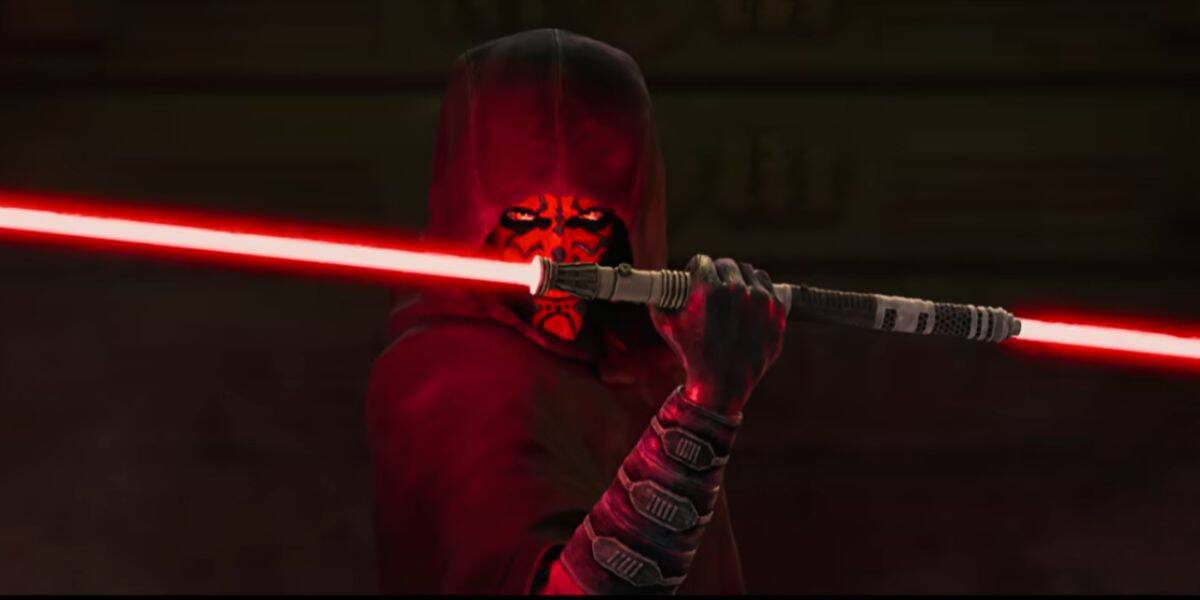
First, Star Wars: The Clone Wars (2008) came along. And then Star Wars Rebels (2014) became one of the first Star Wars projects after Disney’s acquisition of Lucasfilm. And, now, the Disney+ series Maul – Shadow Lord has turned Maul into one of the franchise’s most psychologically layered villains.
Instead of simply being Palpatine’s attack dog, Maul is now portrayed as someone consumed by rage, trauma, abandonment, and obsession. Modern Star Wars storytelling has reframed him as a victim of Sith manipulation just as much as he is a villain himself.
That changes The Phantom Menace entirely.
When you watch Maul appear now, you are no longer seeing a mysterious red and black bad guy. You are seeing someone who was essentially shaped from childhood into a weapon and left emotionally broken by the Dark Side.
Disney didn’t literally remake the prequels. But in many ways, they retconned how audiences emotionally process them.
The Prequel Era Feels Bigger Than It Did Before
One of the biggest criticisms surrounding the prequel trilogy for years was that many of its supporting villains lacked development.
Count Dooku appeared late in the trilogy. General Grievous looked intimidating but had little emotional depth. Characters like Nute Gunray, Poggle the Lesser, and Mas Amedda often felt more like political chess pieces than memorable antagonists.
Modern Star Wars projects have steadily filled in those gaps.
The Clone Wars, though not technically produced by Disney except for the final season, especially became a turning point for the franchise. Suddenly, Count Dooku was no longer just Christopher Lee showing up for exposition scenes. He became a fallen Jedi with complicated motivations and deeper ties to Qui-Gon Jinn and the Jedi Order.
Disney+ later expanded that even more through Tales of the Jedi (2022), which explored Dooku’s slow turn away from the Jedi and into darkness.
Barriss Offee is another massive example.
In the movies, she was almost invisible. Most casual viewers probably never even remembered her name. But later animated projects transformed her into one of the most important dominoes leading toward Anakin Skywalker’s fall.
That kind of storytelling fundamentally changes how the prequels operate today compared to how they were originally received in theaters.
Disney Has Quietly Rebuilt the Prequels’ Reputation
This is something that has happened slowly over nearly two decades.
When the prequels originally released between 1999 and 2005, reactions were deeply divided. Dialogue complaints, political storylines, and awkward pacing dominated online discussions for years.
But Disney and Lucasfilm recognized something important: the foundation of those movies was actually strong.
The world-building was rich. The villains had potential. The tragedy of Anakin Skywalker worked better when viewed through a larger lens.
So instead of ignoring the prequels, newer Star Wars storytelling doubled down on them.
Now, entire generations of fans grew up with The Clone Wars and other expanded stories alongside the movies themselves. For younger audiences especially, the prequels are no longer just three films. They are part of a much larger interconnected saga.
That has allowed characters like Maul to evolve far beyond what George Lucas originally had time to explore onscreen.
Maul Might Be One of the Franchise’s Best Villains Now
That would have sounded ridiculous in 1999.
Back then, Darth Maul was cool but disposable. He was introduced and defeated in the same film with minimal dialogue and almost no backstory.
Today, many fans genuinely rank him among the best Star Wars villains ever created.
That evolution says a lot about how powerful long-form storytelling can be.
Disney+ projects have explored Maul’s paranoia, loneliness, anger, and inability to escape the identity that was forced onto him. Rather than simply making him “more evil,” newer stories made him human in a very disturbing way.
Ironically, giving Maul emotional vulnerability made him more dangerous and more compelling.
And once you understand that version of the character, it becomes impossible to watch The Phantom Menace the same way again.

The Prequels Are Aging Better Because of This
Very few franchises revisit older movies and successfully improve them retroactively.
Star Wars somehow pulled it off.
Instead of replacing prequel-era storytelling, Disney-era canon keeps adding layers onto it. The villains now feel more tragic, more personal, and far more interconnected with the larger galaxy.
Even smaller antagonists have benefited from this approach. Characters like Poggle the Lesser, Jango Fett, and Nute Gunray all gained additional depth through novels, comics, and animated appearances that expanded their motivations and roles within the galaxy.
The result is that the prequel trilogy no longer feels like a standalone chapter that struggled with characterization.
It feels like the beginning of a sprawling tragedy where nearly every villain was shaped by fear, corruption, manipulation, or war.
And Darth Maul may be the clearest example of all.
Nearly 30 years after audiences first met him, Disney has transformed Maul from a visually iconic villain into one of the most emotionally layered characters in the entire franchise. That is a massive shift from how fans originally viewed the prequels in 1999.
In a strange way, the movies themselves did not change.
But the meaning behind them absolutely did.