 2
2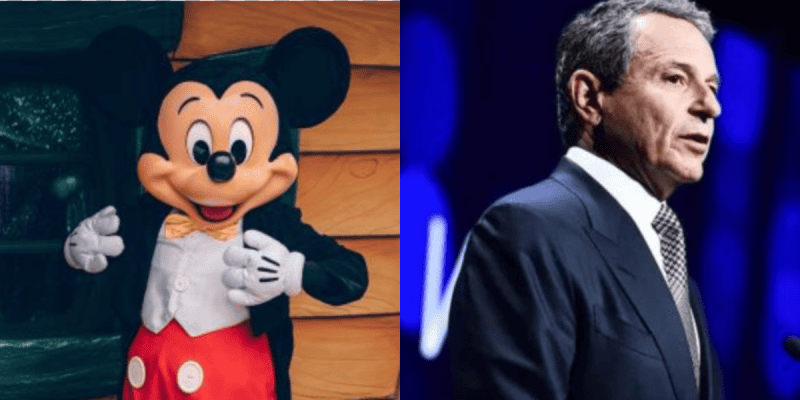
 Credit: Disney / Kadyn Pierce, Unsplash / edited by ITM
Disney CEO Bob Iger has found himself back in the spotlight—and not in a flattering way. What began as a straightforward interview about the entertainment industry’s future has snowballed into a wave of criticism, largely because of comments many fans feel came off as, well… incredibly tone-deaf.
During an appearance on CNBC’s Squawk Box, Iger weighed in on the industry-shaking bidding war surrounding Netflix and Paramount’s attempts to acquire Warner Bros. Discovery. Instead of staying neutral, Iger offered blunt concerns about what a Netflix acquisition could mean for competition, creativity, and consumers. But his comments immediately sparked backlash—not because of what he said, but because of who was saying it.
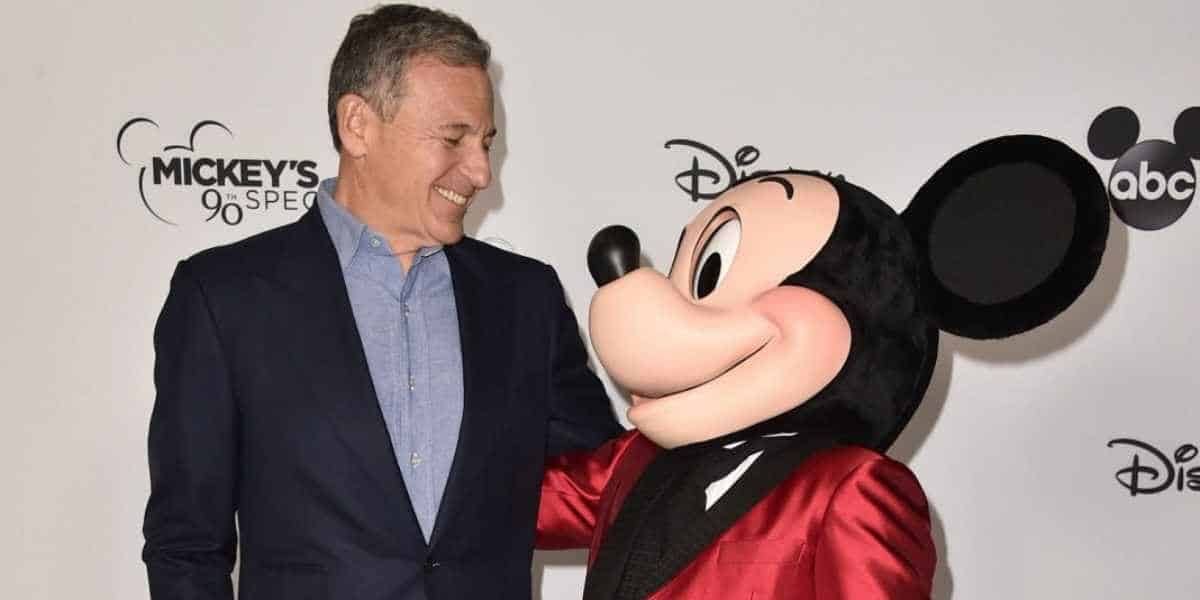
After all, Disney has spent the last two decades buying some of the biggest studios and brands in Hollywood. So when the CEO of the largest entertainment company on Earth suddenly warns that another giant buying a major studio “might not necessarily be healthy,” people noticed.
And they’re not exactly letting it slide.
Bob Iger Sounds the Alarm, But Fans Aren’t Buying It
Speaking on the potential Netflix-Warner Bros. deal, Iger said the company would need to consider the consumer impact:
“First of all, I would look at what the impact is on the consumer. Will one company end up with pricing leverage that might be considered a negative or damaging to the consumer?”
He went on to say that the merger could give Netflix outsized power over subscription costs:
“Does that ultimately give Netflix pricing leverage over the consumer that it might not necessarily be healthy?”
On paper, these concerns make sense. Netflix merging with a studio as large as Warner Bros.—bringing HBO, Warner Bros. films, and massive IP libraries under one umbrella—would be a seismic shift.
But critics were quick to point out that Disney essentially pioneered this very strategy. Pixar? Purchased. Marvel? Purchased. Lucasfilm? Purchased. 20th Century Fox? Purchased—along with its massive film library and major share of Hulu, which Disney has since bought out completely.

Disney is the conglomerate of conglomerates. So when its CEO warns that a competitor buying a studio might be “damaging” to the industry, people call hypocrisy.
Fans Call Out the Double Standard
Across social media, industry analysts and everyday Disney fans were quick to point out the ironic timing. Some joked that Iger needed to “look in a mirror.” Others argued his comments showed a disconnect between Disney leadership and the state of the industry.
One post summed it up bluntly: “Disney bought everything for 20 years. Now somebody else does it and suddenly it’s ‘not healthy’?”
Another pointed out that Iger openly justified Disney’s acquisition spree by saying the company needed “more quality IP, franchises and brands,” yet now cautions against Netflix seeking—well—more IP, franchises, and brands.
Even Iger acknowledged Disney’s acquisition-heavy past in the same interview, telling CNBC:
“We felt we needed not only more volume in terms of content, but more quality… more quality IP, franchises and brands.”

He even noted that Disney has “$33 billion in films in the last 20 years,” a statistic that only reinforced the scale at which Disney has shaped—and dominated—the media landscape.
So for critics, the question is simple: If Disney was allowed to bulk up its portfolio in the name of competition, why shouldn’t Netflix?
Industry Concerns or Competitive Anxiety?
To be fair, Iger didn’t speak solely about pricing power. He also raised concerns about what a takeover might mean for movie theaters and creativity:
“I’d look at what the impact might be on what I will call the creative community, but also on the ecosystem of television and films… These movie theaters… operate with relatively thin margins.”
He argued that the system depends on a healthy, collaborative environment—not one dominated by an overwhelming power player.
But again, critics note the inconsistency. Disney has faced similar criticism for years, especially after the Fox acquisition dramatically tightened its hold on theatrical box office share.
When Disney controls Star Wars, Marvel, Pixar, and most of Fox’s library, how can it raise alarms about anyone else approaching monopoly territory?

This is the part of the story that has many observers rolling their eyes.
Iger’s “Observer, Not Participant” Comment Added More Fuel
Iger also said:
“It’s nice to be an observer and not a participant in this.”
To some, this sounded like a sigh of relief that—for once—Disney wasn’t the company under scrutiny. But to others, it came across as dismissive and out of touch.
Given Disney’s long history of swallowing studios, people weren’t eager to hear that the company has suddenly become above the fray.
So, Why the Backlash Now?
Because the entertainment landscape has changed.
Once upon a time, Disney could buy companies without raising eyebrows because the streaming wars hadn’t taken shape yet. Now, with Netflix dominating globally, Paramount fighting to survive, Warner Bros. reorganizing yet again, and Disney itself attempting a comeback, consolidation looks different.
Consumers feel squeezed. Theaters feel vulnerable. Competition feels thinner.
So when the CEO of the company that arguably started the content-acquisition arms race warns others not to do the same, the reaction is predictable.
People aren’t just questioning what Iger said—they’re questioning whether Disney wants to preserve competition or simply protect its own place at the top.
And in 2025, that distinction matters more than ever.