2
2
 Credit: Lucasfilm
The Mandalorian‘s rise and fall is one of the most interesting cases in the current streaming vs. theatrical era of filmmaking.
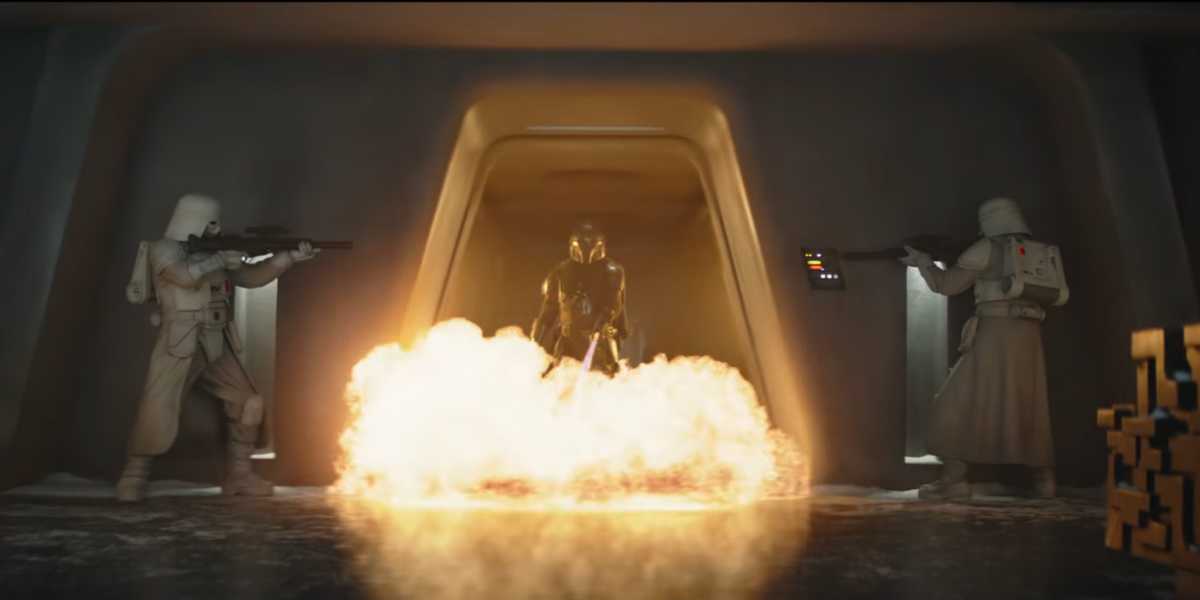
There’s a version of The Mandalorian Season 4 that will never exist — one dense with Grand Admiral Thrawn (Lars Mikkelsen), interwoven with the threads of Ahsoka, and built for the millions of Disney+ subscribers who had spent years earning every payoff. That version was scrapped.
What replaced it, The Mandalorian and Grogu (2026), was something structurally different at its core: a standalone theatrical feature engineered for Friday-night movie theater crowds who may have never watched a single episode of the show that made Pedro Pascal (Din Djarin) a star and turned Grogu into a global cultural phenomenon.
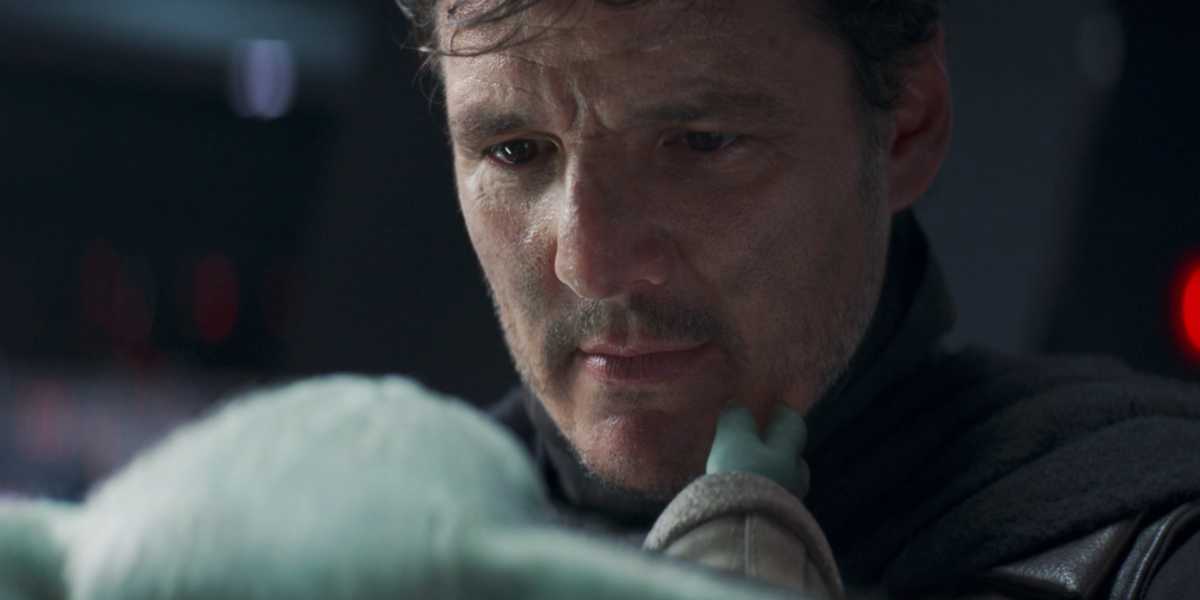
When Lucasfilm announced the pivot from Season 4 to a feature film, the official framing centered on ambition — the idea that Din Djarin and Grogu deserved a cinematic canvas. What got less attention at the time was just how total the creative reconstruction actually was.
Jon Favreau, who has shepherded the Mandalorian universe since its Disney+ debut in November 2019, has been candid about the enormity of what that transition required. “You can’t just take those scripts and turn them into a movie,” Favreau told SFX Magazine, via Games Radar. “There were a lot of characters, it assumed you’d watched the whole show, and it was teeing up what was happening moving into [the second season of] Ahsoka. It was about Grand Admiral Thrawn and following the larger storyline [of this era of the Star Wars timeline].”
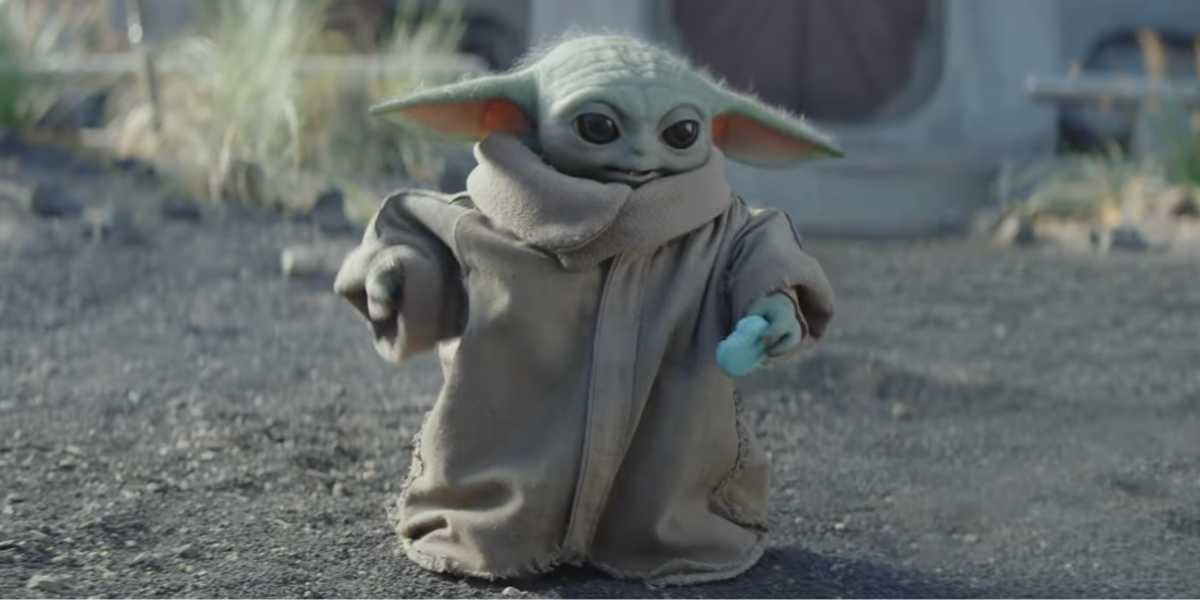
In other words, the Season 4 scripts weren’t a rough draft for the film. They were a different project entirely — one built on years of accumulated narrative infrastructure that a theatrical audience couldn’t be expected to carry in with them. Favreau started from scratch. That decision had ripple effects that extended well beyond the writers’ room.
For the cast assembled around the original Season 4 vision, the pivot meant uncertainty. Jonny Coyne, who appears in The Mandalorian and Grogu as villain Lord Janu Coin, had originally been contracted for a significantly larger role in the serialized format.
“There was a time when I was booked to do a whole load of other episodes in season 4,” Coyne told GamesRadar+. “And then that show went away, and then there was an actor strike, and there was COVID, and all sorts of things going on, and it was a difficult time.”
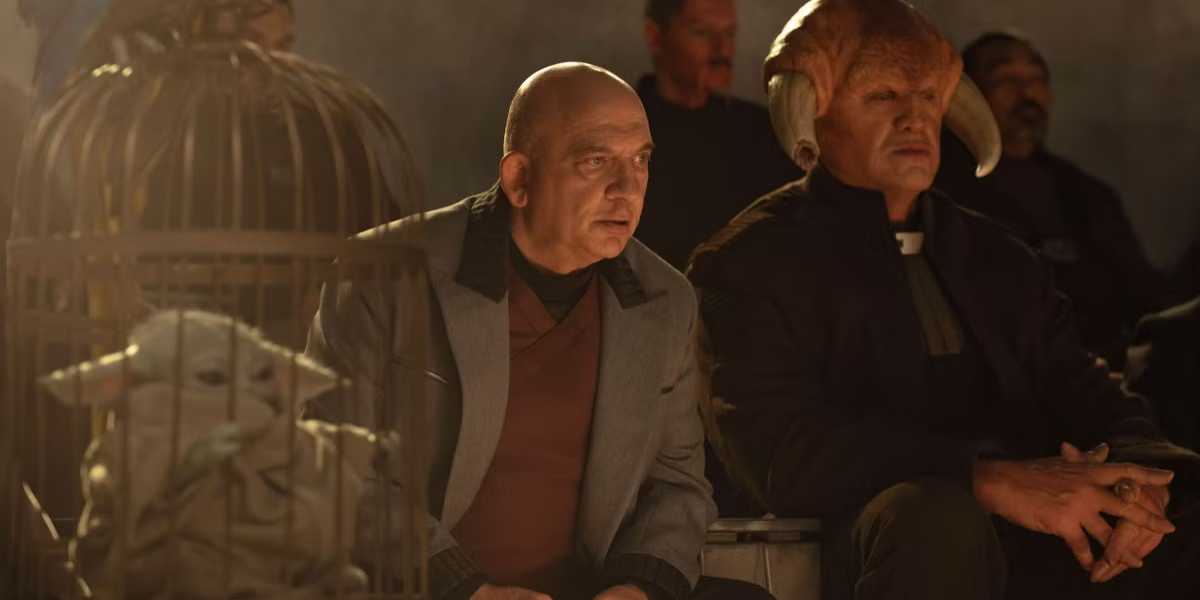
The reshuffling cut some actors’ involvement substantially. But for at least one performer, the transition worked in the opposite direction — and in a way that surprised even him.
Hemky Madera, who plays Warlord Barro in the Mandalorian universe, spoke recently about what the format change meant for his own trajectory in the franchise. Favreau had promised Madera a dedicated Season 4 episode when he was originally cast — a not-uncommon arrangement on a series that gave supporting players room to breathe across individual installments.
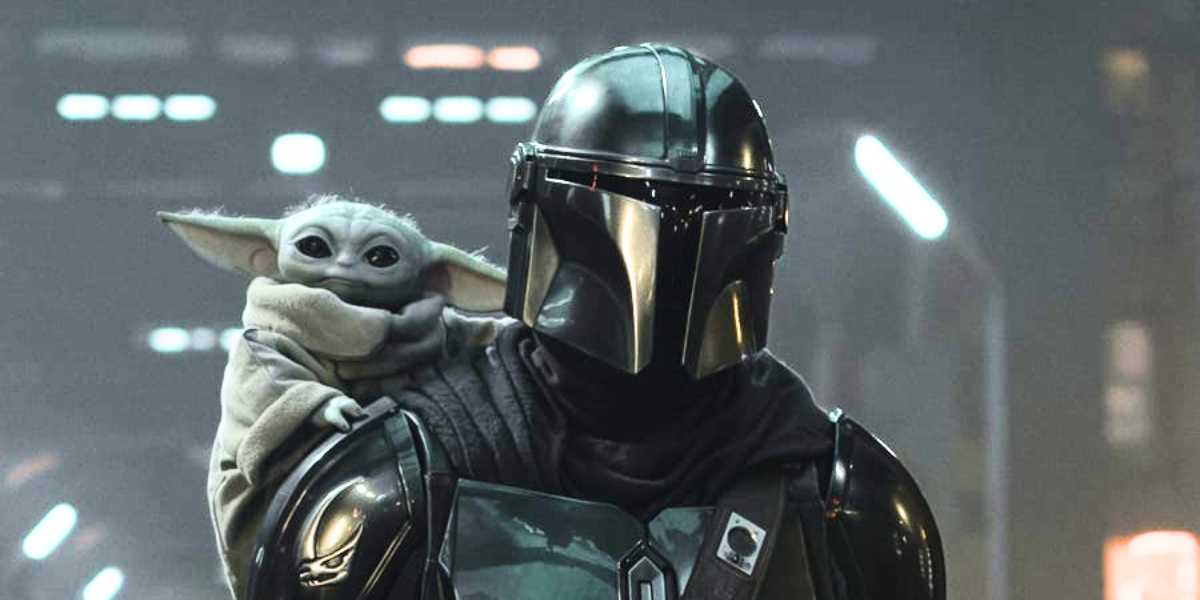
“When they said there wasn’t going to be a Season 4 for The Mandalorian, but there was going to be a film, with all honesty, I was not expecting that I was going to be part of the film because there are bigger names and bigger characters that they could bring,” Madera said via Iohud. “And Jon said from the get-go when I booked for the show, that a Season 4 episode would be mine. So, I guess that episode became part of the film.”
It’s a telling detail. What would have been one actor’s spotlight hour in a serialized format — the kind of character-driven bottle episode that made the original Mandalorian series so beloved — was absorbed and compressed into a feature that had no room for that kind of structural generosity. The arithmetic of television and the arithmetic of theatrical filmmaking simply don’t convert cleanly.
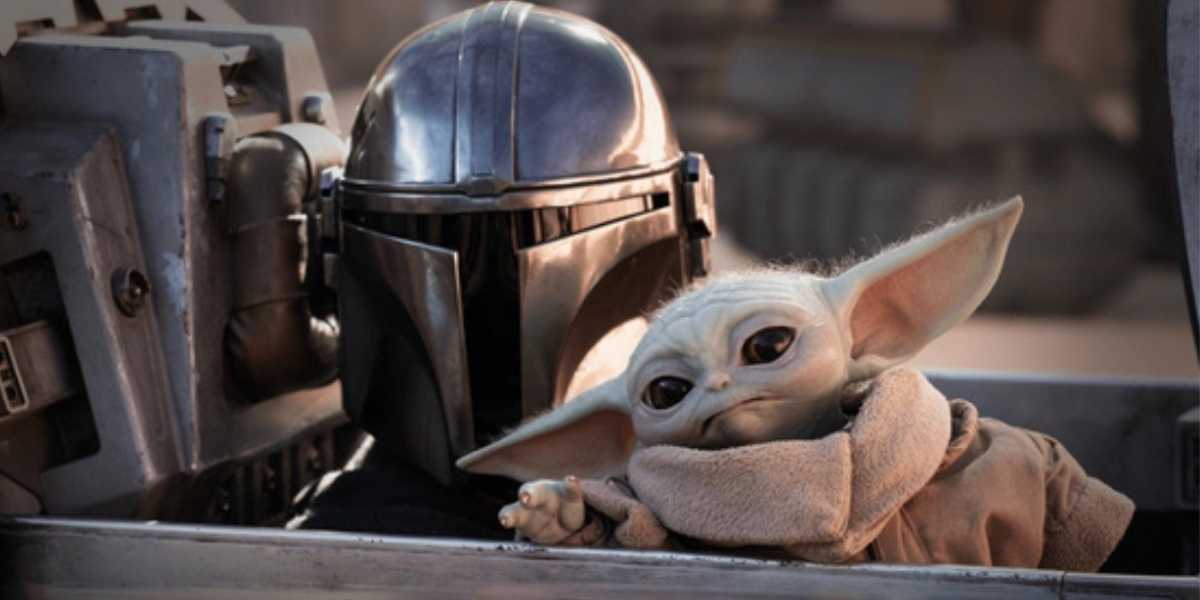
The Mandalorian and Grogu opened to $165 million globally — a figure that landed almost precisely at the film’s reported production budget, leaving virtually no margin before marketing costs entered the equation. The real blow came in week two, when the film collapsed by 69 to 70 percent, followed by further drops in the subsequent weeks.
The situation was compounded by an embarrassing competitive context. Focus Features’ Obsession (2025), directed by Curry Barker and starring Michael Johnston (Baron “Bear” Bailey) and Inde Navarrette (Nikki Freeman), had debuted at the Toronto International Film Festival before arriving in U.S. theaters on May 15.
The micro-budget word-of-mouth sensation — produced for approximately $1 million — was, in its second week of release, outpacing The Mandalorian and Grogu in daily domestic tracking during Mando’s opening week.
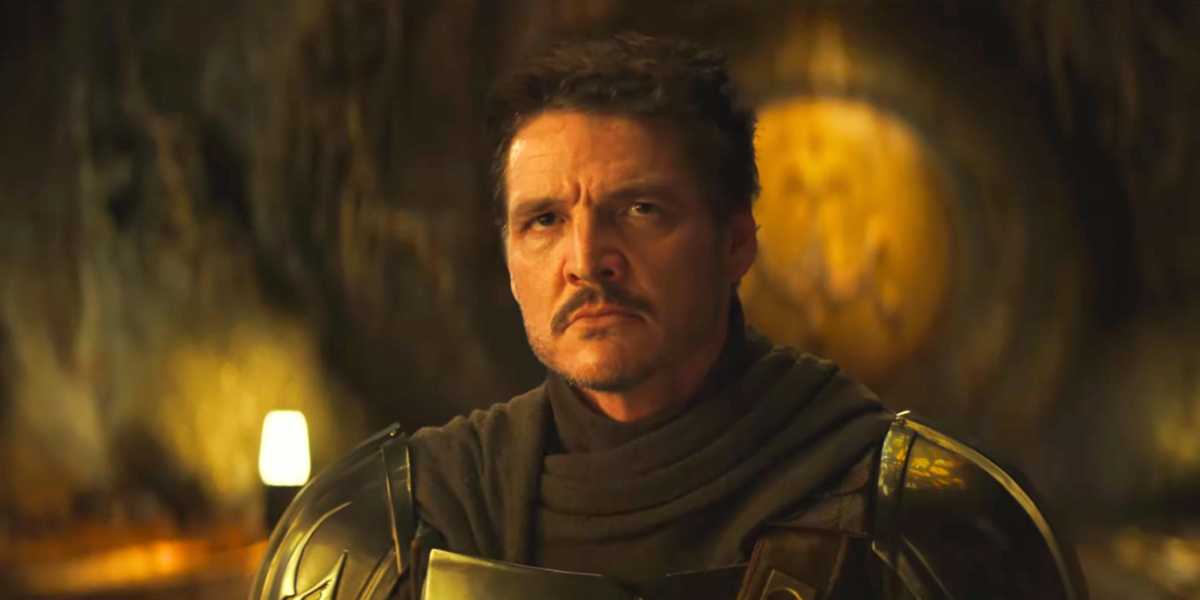
By last Monday (June 8), box office analyst Gitesh Pandya confirmed that The Mandalorian and Grogu had failed to crack the domestic top four. Obsession, now in its fourth week, reclaimed the number one spot: $4.2M — Obsession ($156.1M cume) $4.13M — Scary Movie ($58.5M) $3.29M — Backrooms ($138.7M) $2.1M — Masters of the Universe ($31.5M).
The Mandalorian and Grogu is now looking at a mid $300 million global finish, with its current worldwide haul sitting at $315.7 million, per Box Office Mojo.
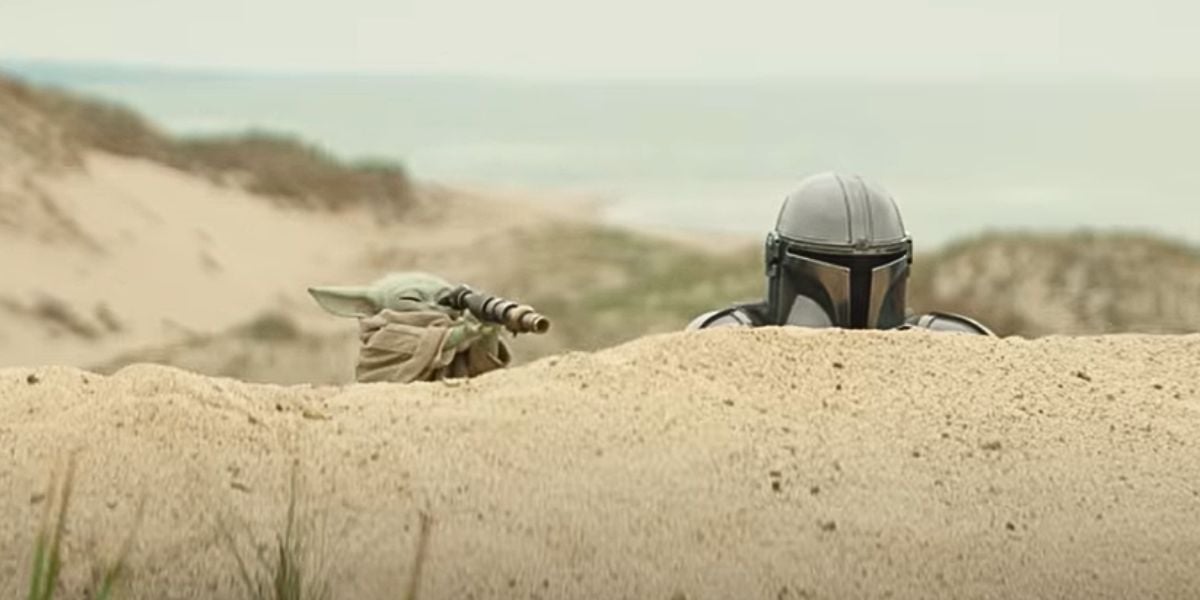
Lucasfilm’s mid-run release of a director’s commentary theatrical version of the film, announced through TheaterEars’ official Instagram in partnership with Lucasfilm, offered fans a behind-the-scenes audio layer running alongside the existing cut.
The stakes of The Mandalorian and Grogu‘s stumble extend far beyond a single film’s profit-and-loss statement. Star Wars had spent the better part of seven years constructing a sprawling streaming universe — The Book of Boba Fett, Obi-Wan Kenobi, Ahsoka, The Bad Batch, The Acolyte, Skeleton Crew — all gravitationally orbiting the original Mandalorian series. That ecosystem worked on its own terms. The theatrical pivot was supposed to be an evolution, not a retreat.
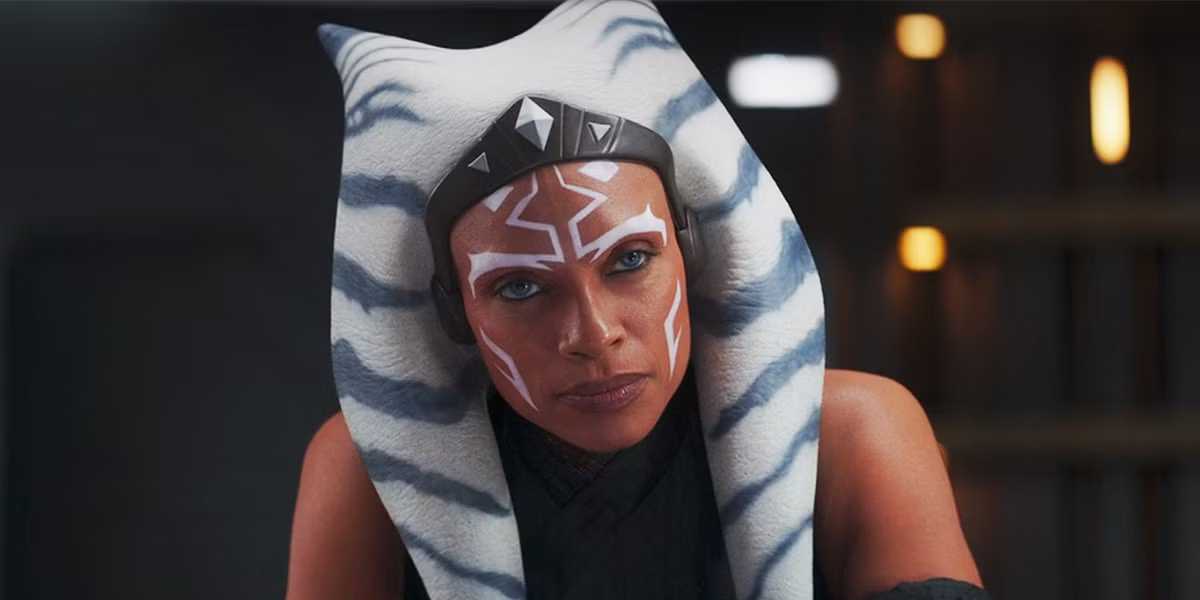
Dave Filoni, now co-president of Lucasfilm alongside Lynwen Brennan, will have the opportunity to address lingering storylines from Ahsoka Season 1 — including the fates of Sabine Wren (Natasha Liu Bordizzo) and Ezra Bridger (Eman Esfandi) — in Ahsoka Season 2 on Disney+. Notably, the Thrawn-driven narrative that was originally central to the abandoned Season 4 scripts has apparently found its proper home there, rather than in the film that replaced them.
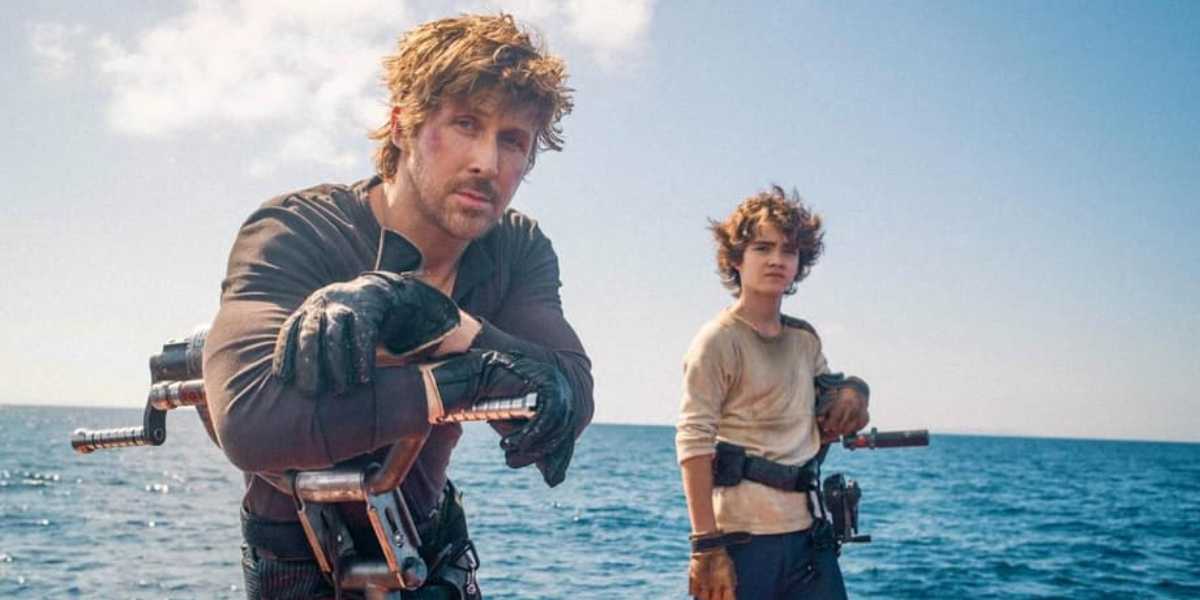
The longer horizon belongs to Star Wars: Starfighter (2027), where director Shawn Levy (Deadpool & Wolverine) leads a project built around Ryan Gosling — fresh off the runaway success of Project Hail Mary (2026) for Amazon-MGM — and a cast designed to function without requiring a Disney+ subscription as a prerequisite for comprehension. On paper, it is exactly the kind of reset the franchise needs.
Whether that reset arrives with sufficient goodwill intact depends in no small part on what The Mandalorian and Grogu has done to audience trust in the brand in the intervening months. The commentary cut is still running in theaters. The original Season 4 — with its Thrawn threads, its multi-episode arcs, its promise of a dedicated Warlord Barro spotlight — exists only in the form of scripts that, by Favreau’s own account, couldn’t survive the translation.
The galaxy far, far away has had rough landings before. Whether this one leaves a crater or just a scar is the question Lucasfilm will be living with for the foreseeable future.
What are your thoughts on where The Mandalorian franchise will go following the movie? Let Inside the Magic know in the comments down below!