 Credit: Zachare Sylvestre, Flickr
Something unusual is happening at Universal Orlando Resort—and it’s not the kind of trend you’d expect to reshape an entire theme park quietly. It all seems to trace back to one roller coaster, but the impact goes far beyond just the ride itself.
At first glance, nothing feels out of place. The park is busy, the attractions are running, and everything looks exactly how you’d expect. But if you spend enough time there, you start to notice it—something has shifted.
It didn’t build slowly, either. This change seemed to arrive almost overnight, catching even experienced parkgoers off guard. The energy feels different. The way guests are approaching their day feels different. And it all points back to something that’s quietly taking over the conversation.
The surprising part?
Most people don’t even realize it’s happening.
Epic Universe Changes the Game
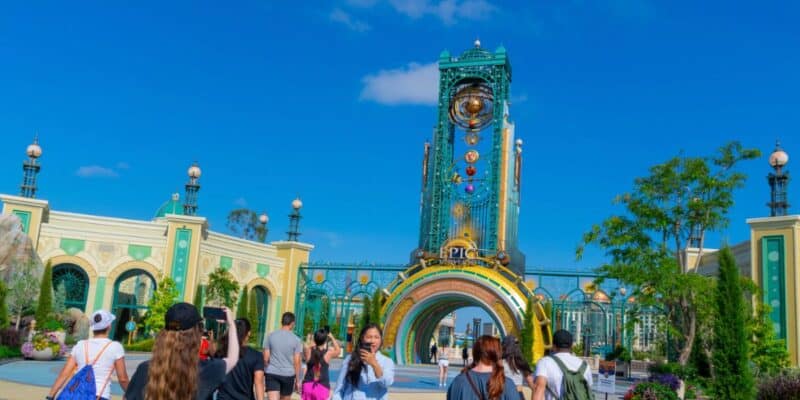
To understand what’s happening, you have to look at the bigger picture. Epic Universe, Universal Orlando’s newest theme park, has already redefined how guests approach a day at the resort. Since opening in 2025, it’s pulled massive crowds and introduced entirely new lands, rides, and expectations.
This isn’t just another gate you casually add to your vacation lineup. Epic Universe demands strategy. Guests plan entire days—sometimes entire trips—around it. With cutting-edge attractions and immersive environments, it has quickly become the centerpiece of Universal’s expansion.
But with that level of hype comes a constant challenge: crowd distribution. When a park offers multiple headliner attractions, you expect guests to spread out. Normally, that’s how things balance. Some head to one ride, others to another, and the park naturally evens itself out.
That’s not what’s happening here.
Instead, one attraction has completely hijacked guest attention.

Stardust Racers: Thrill Ride Turned Controversy
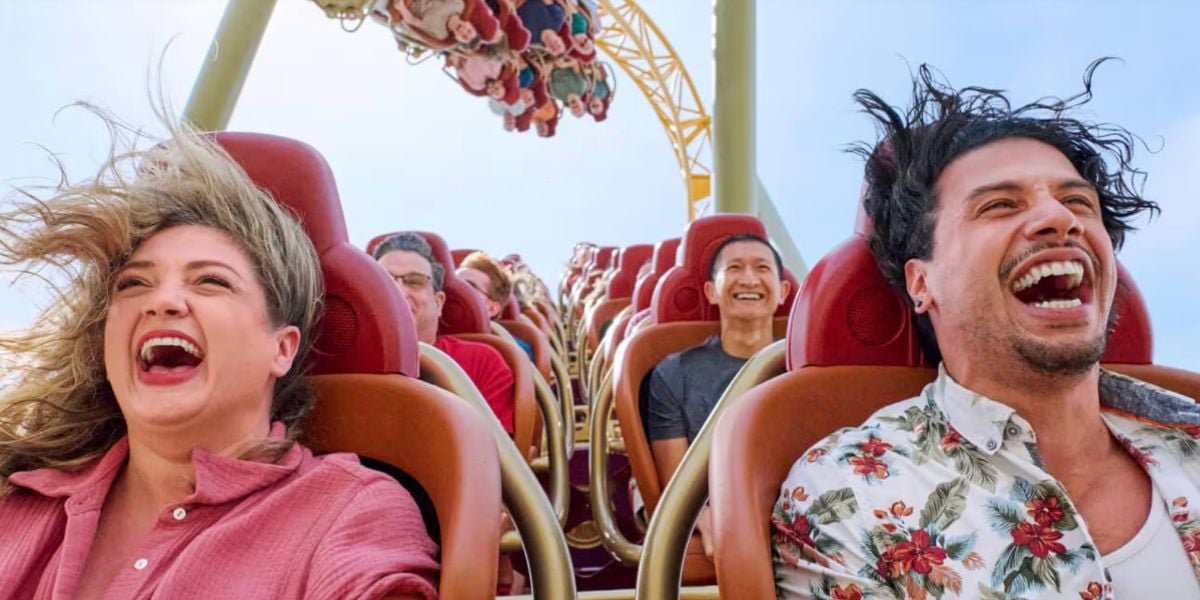
Stardust Racers was always meant to be a flagship coaster. From the moment it debuted, it stood out as one of the most intense and visually striking rides in Epic Universe. Dual-track racing, high-speed launches, and a layout that feels relentless from start to finish—it’s built to impress thrill seekers.
And it does.
But the ride hasn’t exactly had a smooth run since opening. Reports of injuries, combined with legal action tied to guest experiences, quickly followed its debut. While theme park incidents are rare, even isolated reports can shape public perception fast—especially when amplified online.
That’s where the nickname started.
“Death Coaster.”
It’s dramatic. It’s controversial. And it stuck.
For some guests, that label became a warning. For others, it became a challenge. The idea of riding something with that reputation turned Stardust Racers into more than just a coaster—it became a must-do experience for adrenaline junkies looking to test themselves.
And then, after everything, it closed.

The Reopening That Changed Everything
Stardust Racers was closed for an extended period from February 19 through March 25. For over a month, guests visiting Epic Universe didn’t have access to one of its biggest attractions. Naturally, crowds redistributed across the park.
But when the coaster finally reopened, something unexpected happened.
Guests rushed it.
Not just a steady flow. Not just a typical reopening bump. This was a surge. Lines skyrocketed almost immediately, with wait times climbing past 100 minutes at one point. The demand was intense, fueled by a mix of curiosity, hype, and that lingering “Death Coaster” reputation.
People wanted to see what the fuss was about.
They wanted to experience it for themselves.
And in doing so, they unintentionally reshaped the entire park’s crowd dynamics.
The Ripple Effect Across the Park
Here’s where things get really interesting.
As more guests funneled toward Stardust Racers, other major attractions started to see their wait times drop. And not just slightly—noticeably.
The Wizarding World’s Ministry of Magic attraction, typically one of the most in-demand experiences in the park, dropped to an average wait time of just 54 minutes. That’s a significant shift for a ride that usually commands much longer lines.
Mario Kart: Bowser’s Challenge saw similar relief. What’s normally a packed, high-demand attraction suddenly became more accessible.
And it didn’t stop there.
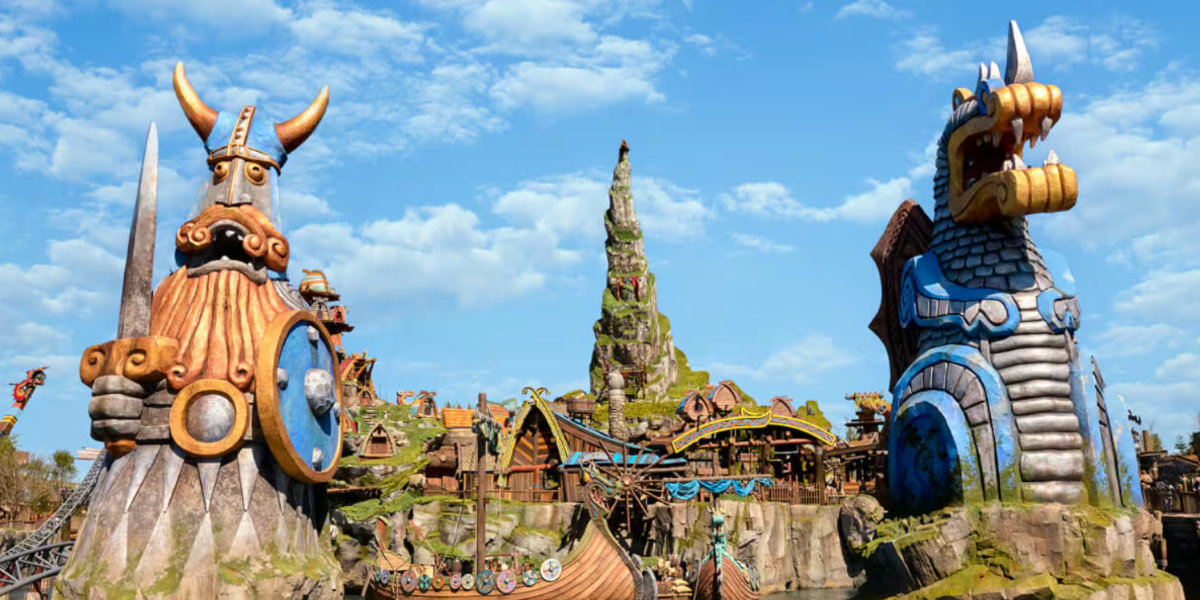
Mine Cart Madness. Curse of the Werewolf. Hiccup’s Wing Gliders. Dragon Racer’s Rally. Across the board, these rides experienced lighter crowds and shorter waits. The kind of balance that parks aim for—but rarely achieve this quickly.
All because one coaster pulled so much attention.
It’s a fascinating example of how guest behavior can completely reshape operations in real time. Universal didn’t need to implement a new system or adjust ride capacity. The guests did it themselves.

What This Means for Easter Crowds
Now comes the big question: will this trend last?
As we head into spring break and Easter week, crowd levels are expected to surge across all Orlando theme parks. Historically, this is one of the busiest times of the year, and Epic Universe will be right in the middle of it.
While recent wait times have dropped for several attractions, that balance may not hold once peak crowds arrive. The surge in attendance could easily overwhelm the park again, even with Stardust Racers pulling heavy traffic.
That’s why strategy still matters.
If you’re planning a visit during this period, rope dropping Mine Cart Madness is still one of the smartest moves you can make. It remains one of the most popular attractions, and early access can save you a significant amount of time.
As for Stardust Racers, it may be easier to catch than you’d expect—even with high wait times. With both tracks now running simultaneously, the ride has improved throughput, helping move the line faster than before.
Meanwhile, attractions like Mario Kart: Bowser’s Challenge and Ministry of Magic are best saved for later in the day. As the park approaches closing, wait times typically drop, giving you a better chance to experience these rides without spending hours in line.
It’s all about timing.
A Park Transformed by One Ride
What’s happening at Epic Universe right now is a reminder of how unpredictable theme park crowds can be. You can build the most advanced park in the world, design multiple headliner attractions, and plan for balanced attendance—but guest behavior will always have the final say.
In this case, Stardust Racers didn’t just return from closure.
It took over.
The combination of controversy, curiosity, and thrill-seeking turned it into the center of attention, pulling crowds in a way few attractions ever do. And in the process, it created breathing room across the rest of the park.
For now, that’s a win for guests who know how to take advantage of it.
But with spring break and Easter crowds on the horizon, this window may not stay open for long. Epic Universe is still finding its rhythm, and patterns like this can shift just as quickly as they appear.
One thing is certain, though.
When a single roller coaster can change the way an entire park operates, you know you’re looking at something different.