3
3
 Credit: Inside The Magic
As Bob Iger enters what is widely expected to be the final stretch of his tenure as CEO of The Walt Disney Company, the focus inside the company has quietly shifted. This is no longer just about who replaces Iger—it’s about how power inside Disney will be distributed once he’s gone.
A new report from Puck News suggests that even if Dana Walden does not land the CEO role, she is very unlikely to leave Disney. Instead, the expectation is that she would remain at the company with an expanded portfolio, a higher-ranking title, and significantly more authority—particularly over Disney’s content operations.
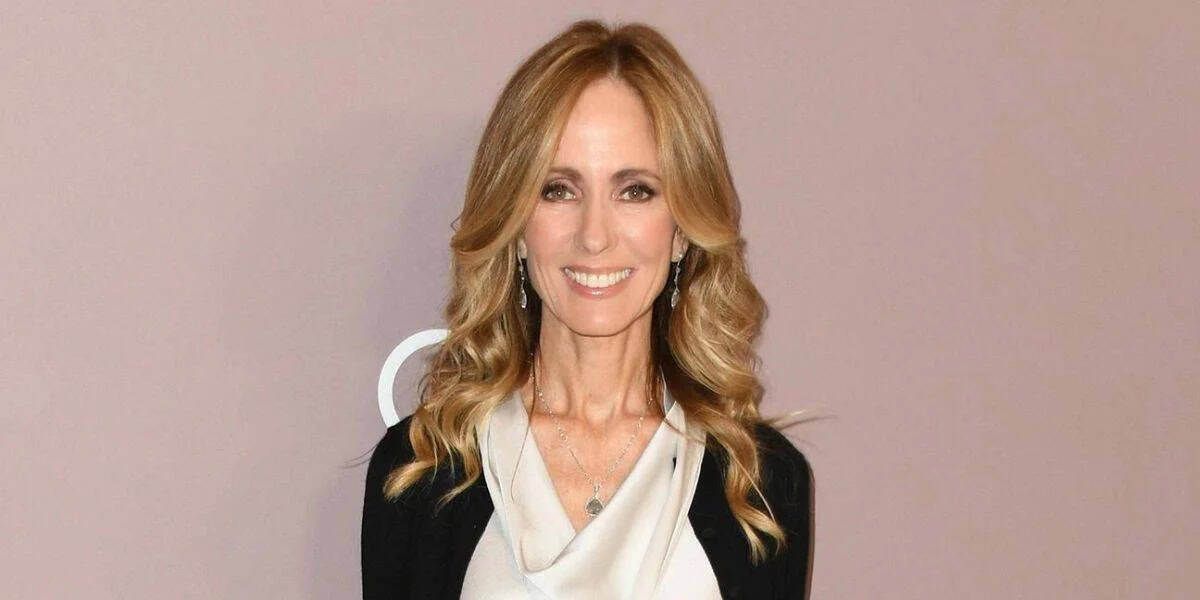
That possibility reframes the entire CEO race. Rather than a clean handoff from Iger to a single successor, Disney appears to be preparing for a future where influence is shared across multiple power centers at the top of the organization.
A tight race with no easy outcome
For months, the Disney CEO discussion has revolved around two internal frontrunners: Walden and Josh D’Amaro. D’Amaro, who leads Disney Experiences, is often viewed as holding a slight edge thanks to the consistent performance of the parks and his visibility with both guests and cast members.
Walden, meanwhile, oversees Disney’s entertainment division, which includes film, television, and streaming—areas that remain central to Disney’s identity, even amid recent turbulence. She does so as Co-Chairman with Alan Bergman.
Both executives have reportedly presented their visions directly to Disney’s board. D’Amaro’s pitch is said to focus on growth areas, including video games and experiential expansion, while Walden’s strength lies in content strategy, studio leadership, and deep industry relationships.
What makes this succession process unusual is that Disney does not appear to be treating it as a strict winner-take-all contest. Instead, there has been increasing speculation that the board may elevate whoever does not become CEO into a role with even greater authority, rather than risk losing them entirely.

Walden’s comments reveal underlying strain
That strategy, however, has not been without tension. In an interview with Deadline back in December, Walden openly acknowledged discomfort with how the CEO race has unfolded publicly. She made it clear that she does not appreciate being “pit against” her colleagues, emphasizing that Disney’s leadership team has historically operated with strong internal trust and collaboration.
While Walden also expressed confidence in Disney’s future and its executive bench, her comments hinted at deeper strain behind the scenes. Being publicly framed as one half of a corporate showdown may not align with how Disney prefers to project stability—especially during a leadership transition meant to reassure investors and employees alike.
For Disney’s board, this creates a delicate situation. Walden is widely seen as too valuable to lose, particularly given the shrinking number of comparable executive roles elsewhere in Hollywood. At the same time, keeping her satisfied without undermining the authority of a new CEO will require careful structuring.
Power without the CEO title
The most revealing aspect of the Puck News report is not that Walden would stay at Disney—it’s how much influence she could retain or even gain. The expectation is that she could be given sweeping oversight of Disney’s content ecosystem, along with strong financial incentives designed to ensure her long-term commitment.
If D’Amaro is ultimately named CEO, his background in parks and experiences would naturally tilt Disney’s leadership focus toward operations and guest-facing businesses. A more empowered Walden could balance that by maintaining control over storytelling, franchises, and distribution—effectively creating two dominant leadership pillars within the company.
That kind of structure may help Disney cover all sides of its massive business. But it also raises questions about clarity and hierarchy. When content priorities clash with operational goals, who has final say? And how much independence does a CEO truly have if another executive controls the company’s most valuable intellectual property? Only time will tell if that structure could prove to be successful for Disney.

Bob Iger’s final act may define what comes next
Ultimately, this all leads back to Iger himself. His return to Disney was meant to stabilize the company after a chaotic period, and by most measures, he has done that. However, his final decision, alongside the board — choosing not just a successor, but a power structure — will shape Disney for years to come.
Disney has said it plans to announce its next CEO in early 2026. Until then, speculation will continue, and every new report will add to the sense that this transition is about more than a title.
Iger is in his final days on the job, as he has already announced. He is set to remain the CEO until the end of this year, when his contract expires, but after that, Disney will move on to a new era. And when he is gone, the company will begin a new chapter. That’s what makes these coming months potentially the most important of Iger’s entire career.