2
2
 Credit: Disney
The beginning of the end-of-the-year rush is here.
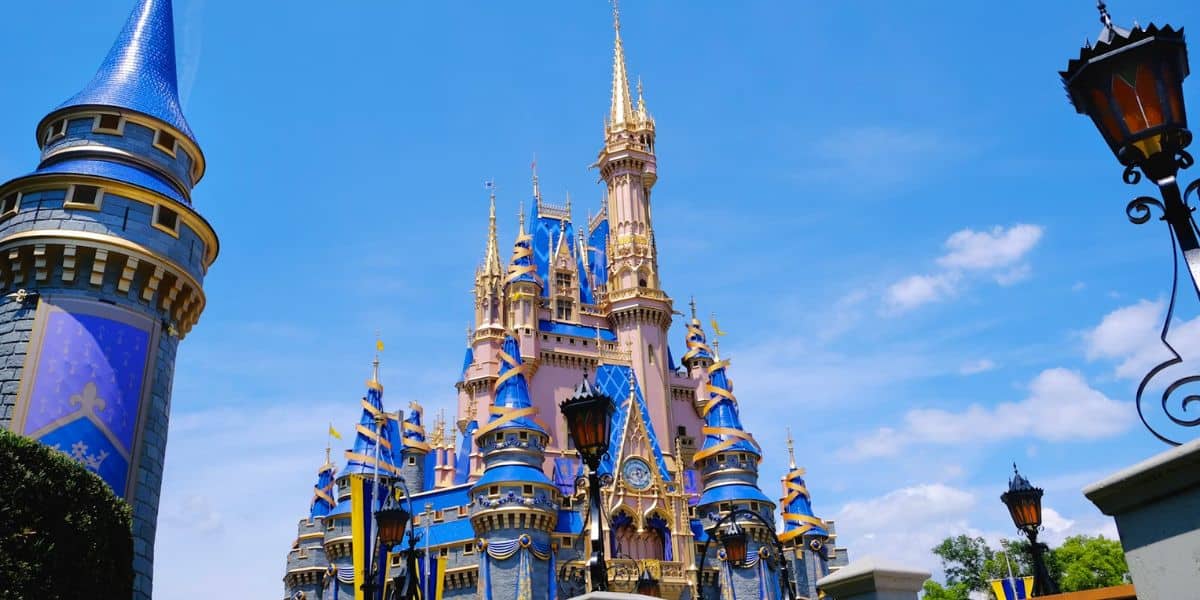
This Thanksgiving week at Walt Disney World presents a perfect storm of operational constraints and premium pricing that reveals the true state of how the Mouse House manages peak season. The Lightning Lane Premier Pass is sold out through November 28 at Magic Kingdom, major attractions across all four parks sit dark, and guests are paying record amounts for fewer experiences.
Let’s start with the money. The Lightning Lane Premier for Magic Kingdom has vanished from the availability calendar for multiple consecutive days leading into and beyond Thanksgiving. This isn’t a minor sell-out; it’s a statement about Disney’s confidence in demand and its willingness to let the market set prices rather than capacity.

When the top-tier skip-the-line option disappears, guests don’t simply skip the experience. They downgrade to the lower tier, still paying $179 to $339 depending on the day and park. Disney’s dynamic pricing model ensures that no revenue opportunity goes untouched—if you want to reduce your wait time this week, you’re paying peak prices, period.
But here’s where it gets interesting: this pricing surge is happening alongside a reduction in what guests can actually experience. Lightning Lane sells faster when the alternative is longer waits. And waits get longer when attractions go dark.

Across the four parks, the timing of attraction closures during Thanksgiving week feels almost purposeful in its impact.
Magic Kingdom has lost Buzz Lightyear of Space Ranger Spin, which normally acts as a crowd-absorber for families in Tomorrowland. Without it, guests concentrate on Space Mountain and TRON Lightcycle / Run—both Lightning Lane attractions.
Meanwhile, the permanent closures of Tom Sawyer Island and the Liberty Square Riverboat remove massive relief valves that families typically use between major attractions. Add Big Thunder Mountain Railroad’s year-long refurbishment into the mix, and thrill-seekers have nowhere to go except toward paid skip-the-line options.

Animal Kingdom faces its own crunch with Kali River Rapids down, Harambe Market shuttered, and DinoLand U.S.A. demolished for the upcoming Tropical Americas land. The park’s capacity to absorb mid-day crowds has evaporated.
Hollywood Studios’ complete Animation Courtyard closure removes indoor attractions that provide weather-resistant crowd distribution—a significant problem during unpredictable Thanksgiving weather.
Refurbishments happen. Lands get reimagined. But the timing concentrates pressure on the remaining marquee attractions and on the Lightning Lane queue.

Disney’s latest earnings reveal the actual strategy at work. U.S. park attendance dropped roughly 1% year-on-year, yet operating income rose 9%. How? Each guest is spending more. Per-guest spending on merchandise, food, and drinks climbed about 6%, with individual guest spending up 3%.
This isn’t a happy accident. Disney has seemingly shifted its business model from volume to revenue-per-guest. Fewer people in the parks, but each person spends considerably more on premium experiences, food, merchandise, and especially Lightning Lane upgrades.

During Thanksgiving week, this model is on full display. A family arriving with expectations shaped by previous visits finds fewer attractions available, longer waits at remaining attractions, and a Lightning Lane pass that costs more than ever. The choice becomes stark: spend more, or experience less. Most families spend more.
What do the sellouts tell Bob Iger and the Disney Parks leadership? That guests are willing to absorb this model—at least for now. They’re paying premium prices for reduced experiences because the Disney brand still promises something worth paying for.

The alternative is a major competitor, and for many families, that alternative doesn’t feel viable. But there’s a threshold somewhere. When Lightning Lane sells out, when attractions are down, when per-guest spending reaches a saturation point, something has to give. Either attendance drops further, or guest satisfaction starts to slip in ways that eventually impact the brand.
And these sell-outs aren’t isolated at Disney World; the wider Central Florida area is expected to see a significant increase in tourism.

“MCO officials have Sunday, Nov. 23rd as the fourth-busiest day of the Thanksgiving travel period, with 169,728 travelers expected through the airport,” Click Orlando reads. “The busiest day is projected to be the Sunday after Thanksgiving, with 177,400 travelers as returning crowds typically peak.”
The central hub for Central Florida travel will be “enhancing” the customer experience to manage the crowds.
“To help manage the influx, MCO is enhancing its customer experience ambassador program and encouraging travelers to make advanced parking reservations to reduce congestion,” the report adds. “The airport is also reminding passengers of its ‘3–2–1 rule’: Arrive three hours before departure, reach TSA security two hours before, and be at the gate one hour prior to boarding.”

For this Thanksgiving week, though, Disney has cracked the code: managing expectations even with attraction closures, managing pricing upward through dynamic demand algorithms, and watching guests adapt and spend more.
If you’re heading to the parks this week, treat it as a precision operation. Rope drop matters more than ever with capacity squeezed. Late-night touring becomes almost mandatory at Magic Kingdom and EPCOT. Shows and indoor attractions are now crowd-control essentials rather than optional entertainment. Watch Lightning Lane return times obsessively—they’ll fill faster than ever with fewer attractions available.
How do you feel Disney World will be this week during the Thanksgiving holiday period? Let Inside the Magic know in the comments down below!