12
12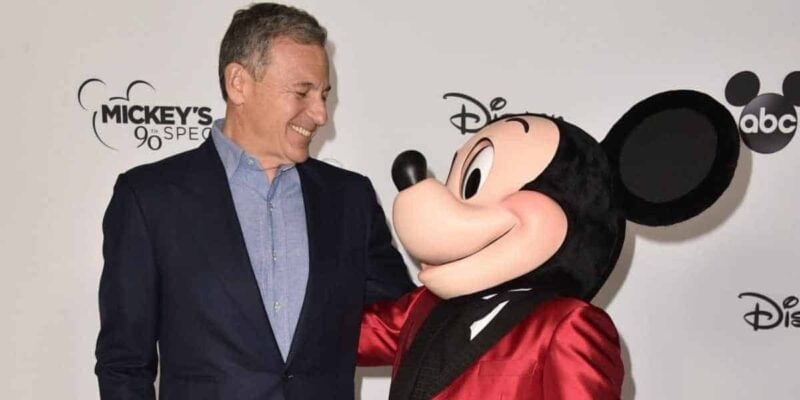
 Credit: Disney
Something strange happened when Bob Iger started talking—something that fans can’t stop dissecting. In just a few casual remarks, the Disney CEO may have said more than he ever intended to. It wasn’t a press release, a grand announcement, or even part of a significant event—just a few offhand comments that slipped through the cracks.
But those words revealed something deeper, something fans have long suspected about his true feelings toward Disney’s classic history. And once people caught it, they couldn’t unhear it.
A Slip That Sparked a Firestorm
Iger recently joined a YouTube tour of Disneyland alongside The Rest Is History, offering fans a rare glimpse into how the CEO personally experiences the park. Everything seemed lighthearted until the group rode Pirates of the Caribbean. That’s when Iger made a statement that set off a wave of online reactions: he said the attraction wasn’t “brilliant storytelling,” but rather “brilliant execution.”
To some, this might sound like harmless semantics. But for longtime fans who see Pirates of the Caribbean as one of Walt Disney’s crowning achievements, it felt like an insult to the very foundation of Disney storytelling.
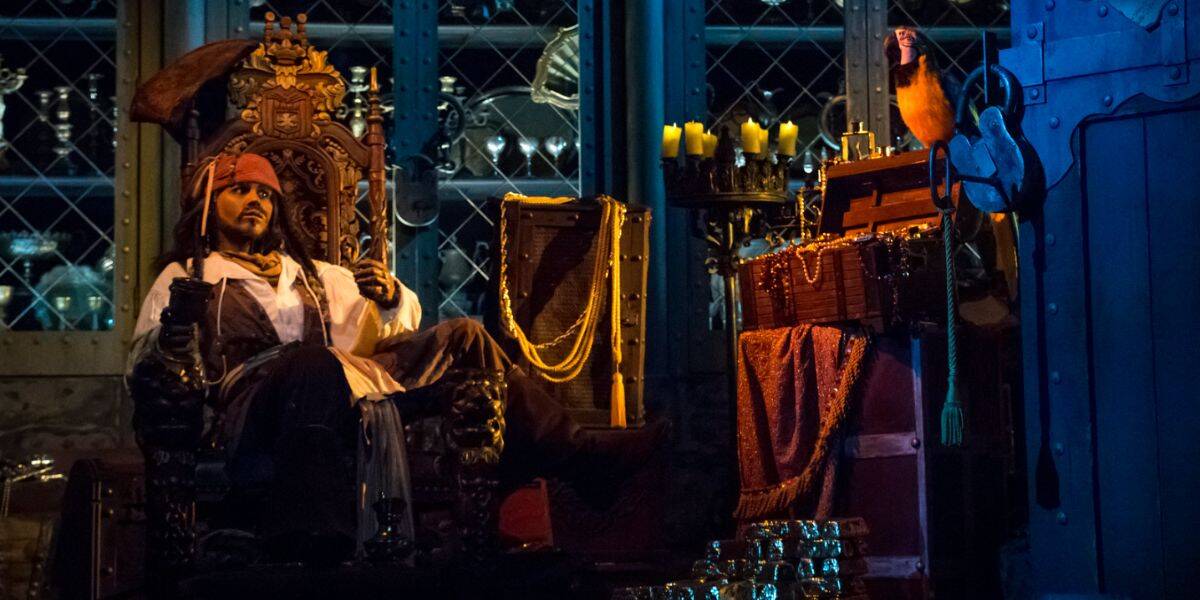
Many pointed out that Walt himself had a hand in the ride’s creation—an embodiment of his philosophy that every attraction should feel like stepping into a story. Yet here was Iger, brushing it aside as a technical showcase rather than a narrative masterpiece.
The internet wasted no time reacting. Fans on social media accused Iger of dismissing Disney’s legacy. Some joked that he’d probably replace Pirates with a new “relevant IP” if he could. Others expressed frustration that this kind of mindset is precisely what has led to so many classic experiences being “reimagined” under Iger’s leadership.

What His Comment Really Means
When you step back, Iger’s comment wasn’t just about Pirates of the Caribbean. It exposed a more profound philosophy he’s carried for years—one that prioritizes intellectual property over original concepts. He doesn’t see Disney history as sacred.
In his eyes, the company’s earlier attractions, no matter how beloved, often fail to meet modern storytelling standards. Instead, he’s focused on leveraging powerful franchises—such as Marvel, Star Wars, Frozen, and others—to fuel the next generation of park experiences.
To Iger, a ride like Pirates might be charming, but it’s “old Disney.” It doesn’t move merchandise or connect to the blockbuster storytelling model Disney now lives by. This mindset explains why the parks have steadily transformed under his leadership—away from the quaint, standalone attractions of the past and toward massive, cinematic worlds built around recognizable brands.

A Legacy of Replacement
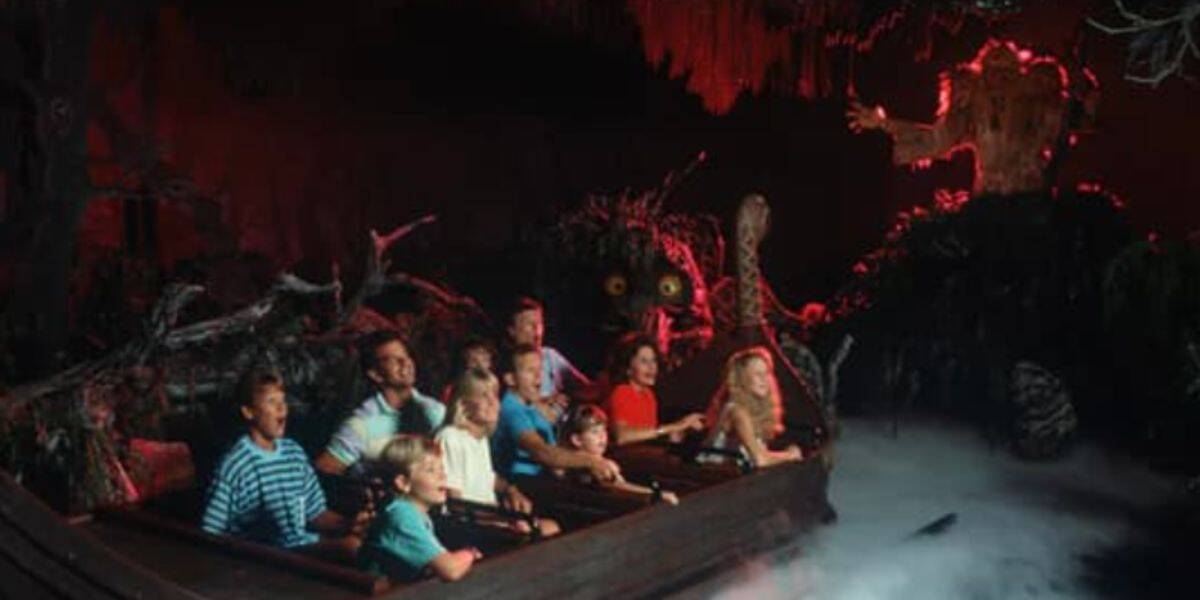
Over the past two decades, that philosophy has shaped nearly every major change in the parks. Consider Maelstrom in EPCOT’s Norway Pavilion—a moody, folklore-inspired boat ride that was replaced by Frozen Ever After in 2016. Fans mourned the loss, but Iger’s era saw it as an upgrade: familiar characters, catchy songs, and guaranteed crowd appeal.
Then came Ellen’s Energy Adventure at EPCOT’s Universe of Energy, which made way for Guardians of the Galaxy: Cosmic Rewind. The transformation from educational showcase to cosmic roller coaster perfectly illustrates Iger’s approach—turning slower, story-light attractions into high-octane, franchise-driven experiences.
At Disney’s Hollywood Studios, MuppetVision 3D has quietly shuttered to make room for a Monsters, Inc.-themed land. And over at Animal Kingdom, DinoLand U.S.A.—once a quirky, original concept—is being torn down in favor of an Encanto and Indiana Jones hybrid area.
Even Iger’s success stories, like Pandora – The World of Avatar and Star Wars: Galaxy’s Edge, fit this same mold. They’re incredible achievements in design and immersion, but they also reinforce the idea that Disney magic now means stepping into an existing cinematic world rather than discovering a new one.

The Creative Cost of Modern IP
Iger’s philosophy has certainly delivered financial rewards. Themed lands based on hit franchises bring in record-breaking crowds, merchandise sales, and media synergy across Disney’s streaming and film divisions. However, it has also raised a critical question among fans and industry observers: at what cost?
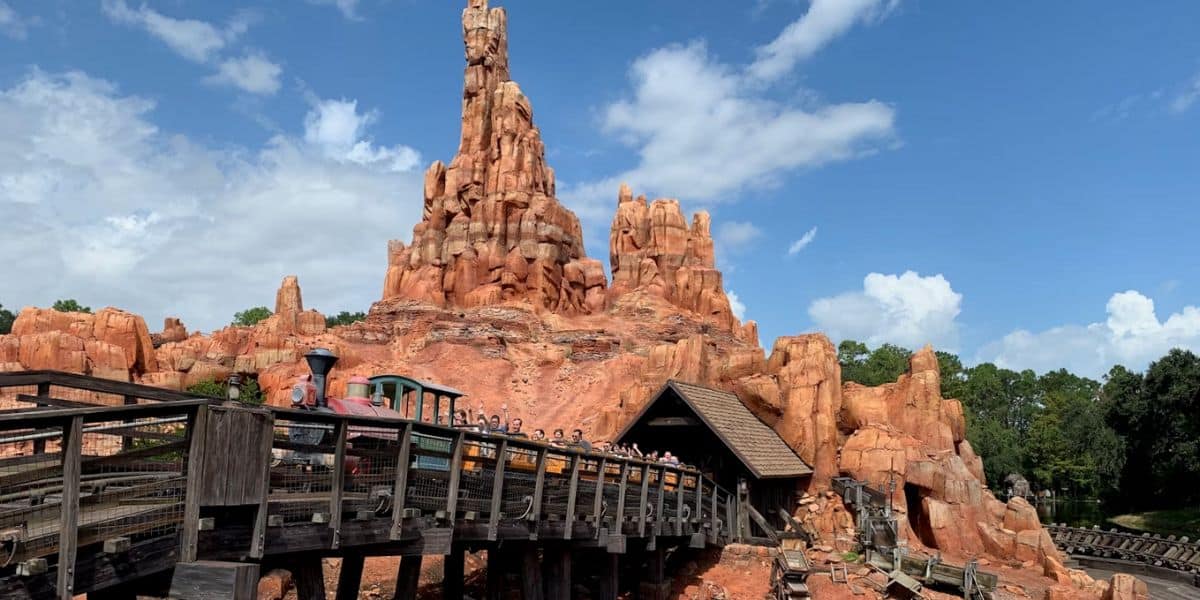
When Walt Disney built Disneyland, he wanted attractions that told original stories—adventures that couldn’t be found anywhere else. The park wasn’t meant to be an extension of Hollywood; it was the story. In Iger’s version of Disney, that spirit feels increasingly rare. Instead of original ideas like Haunted Mansion or Big Thunder Mountain Railroad, the focus is on global brand recognition and franchise tie-ins.
That’s not to say Iger doesn’t appreciate the classics. He’s often spoken fondly about Walt’s vision and the company’s legacy. But actions speak louder than words, and his track record shows a consistent trend: if an attraction can’t connect to a primary IP, it’s probably on borrowed time.

What Happens After Iger Retires
As Iger approaches his reported retirement in 2026, the question now is what kind of Disney he’ll leave behind. He has openly admitted that he’s “obsessed” with finding a successor who can carry his vision forward. But for many fans, there’s hope that the next era of leadership might finally bring balance back to the parks—a blend of modern innovation and respect for the originals.
Could a new CEO bring back some nostalgic attractions or preserve the remaining classics before they’re gone? Possibly. Recent trends in fan demand reveal a growing desire for authenticity, characterized by experiences that feel handcrafted rather than corporate. With Iger’s era winding down, it’s not impossible to imagine a slight shift toward celebrating Disney’s roots again.
If the next generation of leadership embraces that idea, the parks might rediscover some of the “old magic” that made them timeless in the first place. Imagine walking through EPCOT or Magic Kingdom and finding a few nods to history restored—not as museum pieces, but as living, breathing experiences that remind guests why they fell in love with Disney in the first place.

Closing Thoughts
Bob Iger’s recent comments didn’t make headlines because they were shocking—they made headlines because they confirmed what fans already suspected. His belief that classic Disney storytelling isn’t “brilliant” enough explains years of creative decisions that have slowly reshaped the parks. Whether you agree with his logic or not, there’s no denying that Iger has redefined what Disney means in the 21st century.
As his tenure nears its end, fans are left wondering if the next leader will keep building on this foundation—or finally hit pause and remember that sometimes, the simplest stories are the ones that stay with us forever.