23
23
 Credit: Inside the Magic
Disney has finally acknowledged what many moviegoers have been saying for weeks. Its latest Star Wars film and the live-action remake of Moana both struggled to reach the box office heights the company had hoped for. While fans have debated what went wrong, Disney’s own response has taken a different direction.
Rather than treating the disappointing theatrical results as a sign to slow down, the company appears to be viewing the situation through a much wider lens. During its latest earnings discussion, Disney addressed the films directly, but its overall message suggests these releases are only part of a much larger strategy.
Disney Acknowledges Both Movies Fell Short
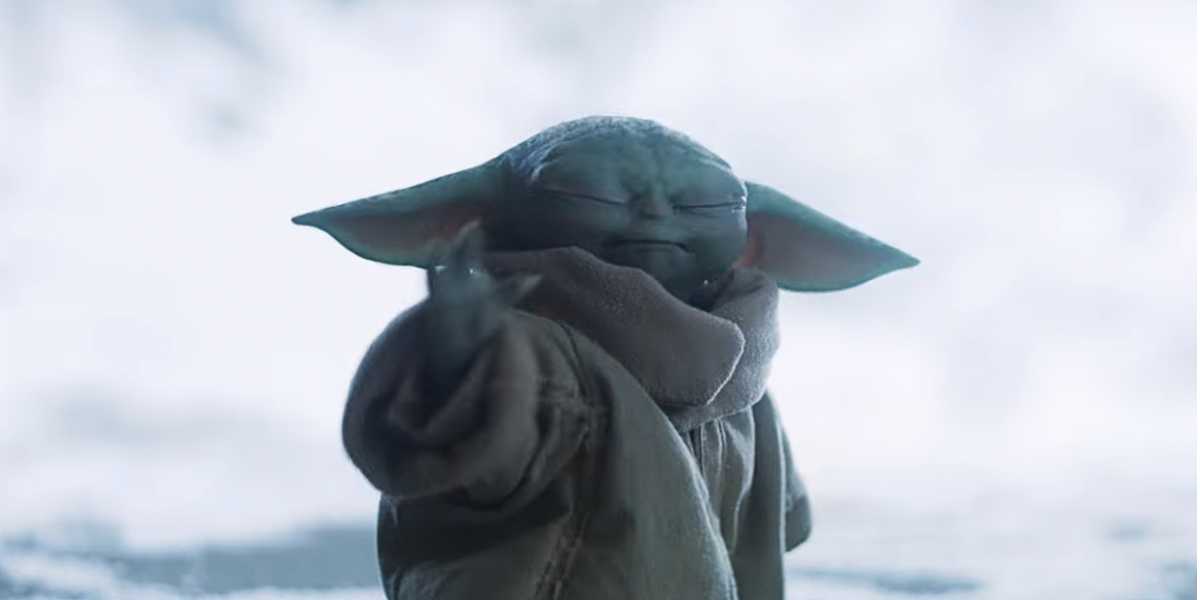
During its August 5 earnings call, Disney admitted that Star Wars: The Mandalorian and Grogu and the live-action Moana “underperformed our box office expectations.”
That admission came after both films showed financial levels were well below what many analysts expected.
Star Wars: The Mandalorian and Grogu wrapped up their theatrical run with roughly $345.2 million worldwide. While that would be a respectable number for many releases, it wasn’t enough to offset its reported $165 million production budget after accounting for marketing and theater revenue splits.
Industry estimates put the film’s break-even point between $500 million and $600 million, making it the lowest-grossing live-action Star Wars movie ever released.
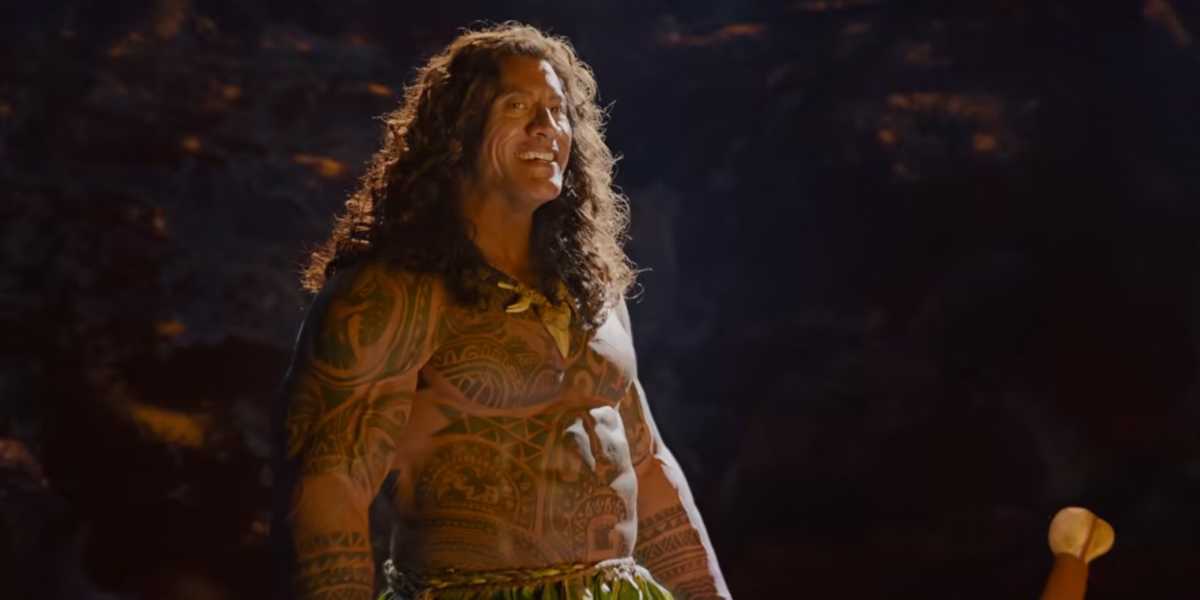
The live-action Moana also failed to generate the blockbuster performance Disney had anticipated. Released in July 2026, the remake has earned approximately $263 million worldwide. Against a reported production budget of around $250 million, the film opened softer than expected and has struggled to build the kind of momentum Disney typically sees with one of its biggest live-action adaptations.
For many studios, results like these might spark questions about plans. Disney, however, presented a much different perspective.
Disney Says There’s More Than One Way to Measure Success
Although Disney acknowledged that ticket sales fell short of expectations, the company argued that audience reception tells a different story.
According to Disney, viewers responded much more positively than critics in both cases. Star Wars: The Mandalorian and Grogu currently hold an 86% audience score on Rotten Tomatoes despite a 60% critics’ score. The live-action Moana shows an even bigger divide, earning an 88% audience score while sitting at just 31% with critics.
Disney cited those audience reactions as evidence that the franchises remain healthy, even if theatrical revenue didn’t meet forecasts.
The company also stressed that these movies create value beyond the box office. Rather than evaluating success solely through ticket sales, Disney views its biggest franchises as long-term investments that support streaming, merchandise, theme parks, and other areas of the business.
That broader view helps explain why Disney isn’t treating these releases as signs that audiences have lost interest in familiar franchises.
The Bigger Picture Goes Beyond Movie Theaters
Disney also pointed to several bright spots during the earnings call.
Executives described the quarter as creatively successful, led by Toy Story 5, which has already surpassed $1 billion worldwide. That performance helped reinforce Disney’s belief that recognizable franchises continue to resonate when the right project connects with audiences.
The company also emphasized that Star Wars and Moana remain powerful brands outside the theater.
Disney specifically noted that Star Wars: The Mandalorian and Grogu helped drive healthy growth in franchise retail sales during the quarter. Merchandise has long been one of Star Wars’ biggest strengths, and Disney appears confident that enthusiasm for the brand remains strong even if one film underperformed.
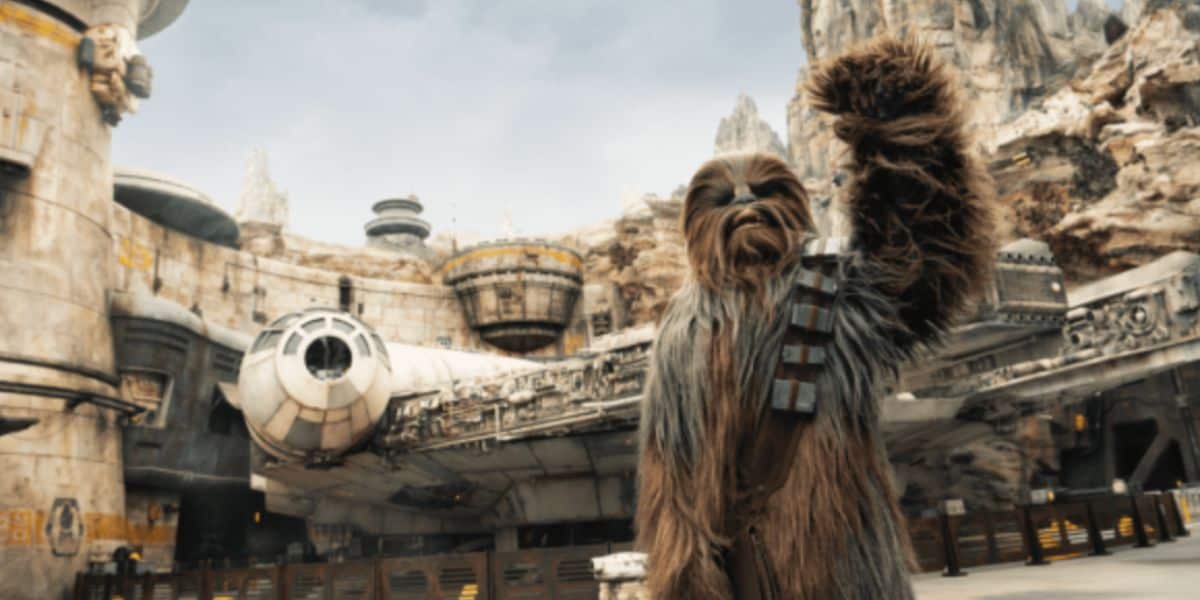
The parks tell a similar story. Star Wars: Galaxy’s Edge continues to attract visitors at Disneyland and Disney’s Hollywood Studios, while Journey of Water, Inspired by Moana, remains one of EPCOT’s most popular walkthrough attractions.
Disney also expressed confidence that the live-action Moana will find a much larger audience once it arrives on Disney+.
Taken together, Disney’s message was clear. Fans may not have turned out in the numbers expected for these theatrical releases, but the company believes interest in the underlying franchises remains very much alive.
What This Means for Disney’s Strategy
Anyone hoping these box-office disappointments would cause Disney to reduce its reliance on established intellectual property is likely to be disappointed.
If anything, the earnings call suggests the opposite.
Disney continues to view its biggest franchises as ecosystems rather than standalone movies. A film that falls short at the box office can still support streaming subscriptions, sell merchandise, inspire attractions, generate licensing revenue, and keep audiences engaged with characters across multiple platforms.
As long as those brands continue to deliver value within Disney’s business, executives appear comfortable investing in sequels, spin-offs, remakes, and franchise expansions.
That means a few disappointing theatrical performances probably won’t change the company’s overall direction.

Plenty of Familiar Projects Are Still on the Way
Disney’s upcoming release schedule reflects that continued commitment.
The studio remains at work on a live-action Tangled and Lilo & Stitch 2 alongside several other franchise-based projects.
The Star Wars universe is continuing to expand as well. Upcoming releases include Star Wars: Starfighter, and Season 2 of Ahsoka. Those projects will further build Disney’s long-term investment in the galaxy far, far away across both theaters and Disney+.
Taken together, the lineup shows that Disney has no intention of stepping away from recognizable brands.
Disney’s Strategy Isn’t Changing
Disney openly admitted that Star Wars: The Mandalorian and Grogu and the live-action Moana failed to meet its own box-office expectations. At the same time, the company made it equally clear that theatrical revenue is only one piece of the puzzle.
Strong audience scores, successful merchandise sales, popular theme park experiences, streaming potential, and billion-dollar franchise hits like Toy Story 5 all reinforce Disney’s belief that its biggest intellectual properties remain valuable.
For that reason, fans shouldn’t expect the company to abandon live-action remakes, sequels, or franchise expansions anytime soon. If Disney continues finding ways to profit from these brands across its broader entertainment empire, familiar characters will almost certainly remain at the center of its plans.