1
1
 Credit: Disney
Navigating a vacation at Walt Disney World Resort has become intrinsically tied to digital infrastructure. From scheduling ride access via Lightning Lanes to unlocking hotel room doors, the My Disney Experience app serves as the central nervous system for millions of visitors each year. However, a sudden shift in the app’s functionality at the end of June has ignited a fiery debate within the theme park community.

Reports have surfaced indicating that Disney World is testing or accidentally executing advanced software parameters to block non-resort guests from utilizing the Mobile Order feature at quick-service restaurants inside Magic Kingdom area resort hotels.
The sudden appearance of a restrictive gatekeeping barrier has left tech-savvy fans and casual vacationers asking a critical question: Is this an intentional new enforcement policy designed to permanently lock down resort boundaries ahead of the high-traffic holiday season, or is it simply a widespread technical glitch in Disney’s digital system?
The Exclusivity Alert: An Explicit New Error Message
The realization that Disney had upgraded its digital defenses crystallized following a wave of viral social media posts on platforms like X (formerly Twitter). Theme park enthusiasts began sharing screenshots exposing an aggressive new restriction embedded within the app’s mobile food and beverage ordering interface.
Crucially, the system does not merely throw a generic, location-based distance alert like “You’re Too Far Away.” Instead, the My Disney Experience app displays a highly specific pop-up notification explicitly informing users that mobile ordering at the venue is “only available to Guests staying at this Disney World Resort Hotel.”
This digital block indicates that the application is communicating with the guest’s underlying Disney account profile to verify that the active hotel reservation link is valid before authorizing the initial food transaction.
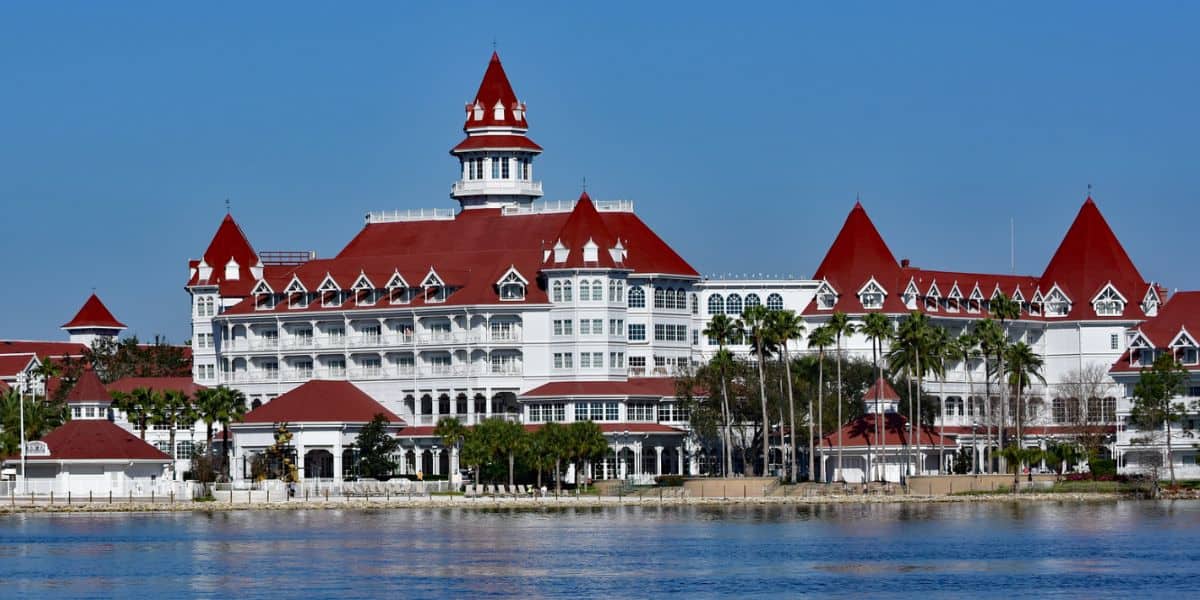
For anyone trying to plan a midday meal or secure a quick snack at popular Monorail loop hubs—such as Contempo Café at Disney’s Contemporary Resort, Gasparilla Island Grill at Disney’s Grand Floridian Resort & Spa, or Capt. Cook’s at Disney’s Polynesian Village Resort—the app effectively denies entry to the menu screen based on overnight stay status.
The “Close and Retry” Loophole: Signs of a System Glitch
While the wording of the error message suggests a deliberate corporate lockdown, the app’s real-world execution tells a vastly different story. Almost as soon as the panic spread across online fan forums, multiple onsite investigators and vacationers began reporting an erratic workaround.
According to firsthand testing, the digital restriction appears to be incredibly unstable. Many guests have found that if they completely close out the My Disney Experience app, wipe it from their phone’s active background tasks, and reopen the restaurant page a few moments later, the error message mysteriously vanishes.
Once the app is forced to refresh, the restriction clears, allowing offsite day visitors to place their mobile orders freely and receive an arrival window as they normally would. This bizarre “close and retry” loophole strongly supports the argument that the system is currently experiencing a technical glitch rather than a flawless rollout of a new policy.

It is entirely possible that developers have been working on a backend coding patch to handle holiday crowd flow, and the software is accidentally misfiring. If the restriction can be bypassed simply by relaunching the app, it indicates a breakdown in the system’s ability to cleanly cross-reference reservation data in real time.
Closing the Legendary “Resort Parking Loophole”
Whether intentional or accidental, the timing of this mobile order blockade is perfectly aligned with Disney’s multi-year effort to shut down a decades-old guest workaround known as the “resort parking loophole.”
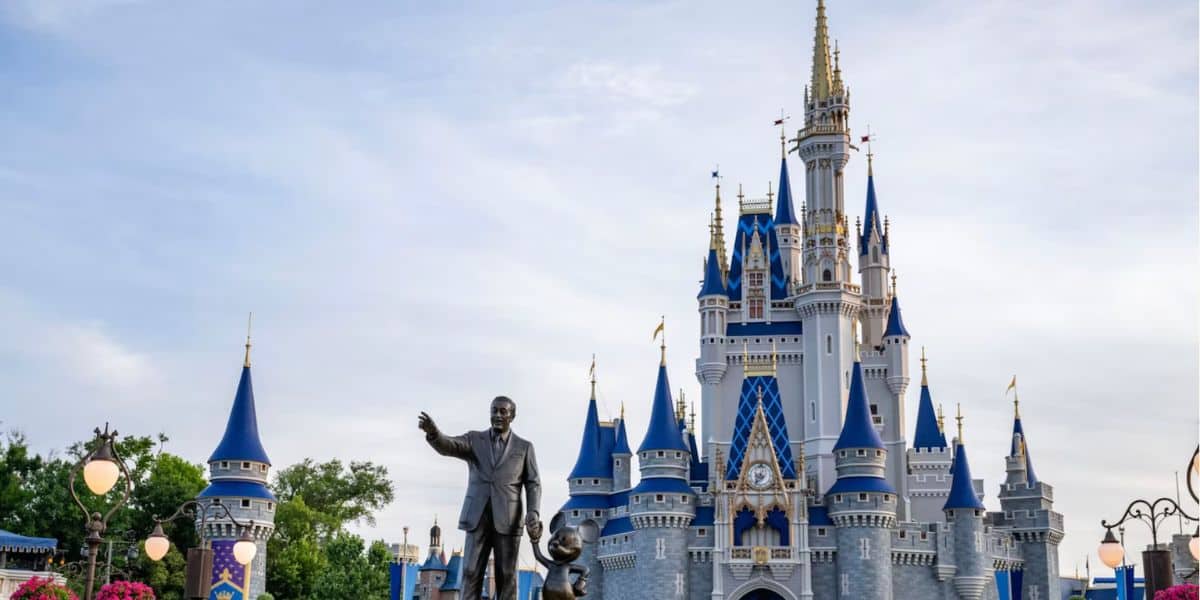
Standard theme park parking at Magic Kingdom costs a flat daily fee, and entering via the main toll plazas requires navigating the massive Transportation and Ticket Center (TTC) parking lots, boarding a ferryboat or monorail, and waiting in extensive security lines. To bypass this time-consuming process, offsite day visitors discovered an alternative strategy:
- Drivers would pull up to a deluxe monorail resort.
- They would open the mobile app and place a quick order for a cheap item—like a cup of coffee or a pastry—at the resort’s quick-service counter.
- They would present the active mobile order confirmation screen to the security cast member at the resort’s guard shack to obtain up to 3 hours of free resort parking.
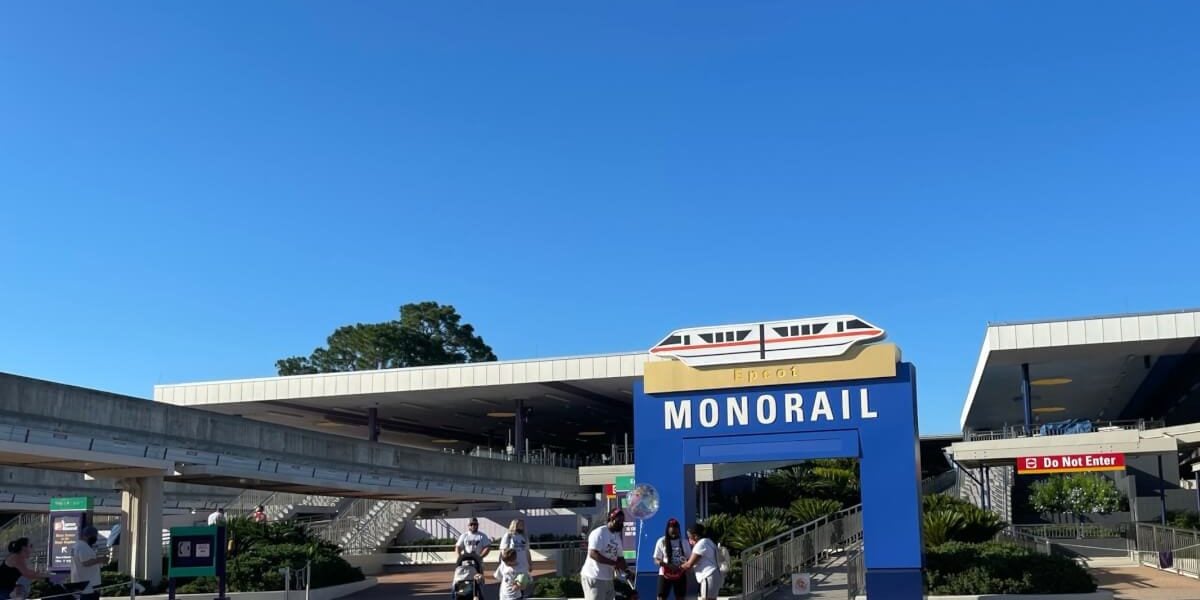
From there, the guests could skip the TTC entirely, stroll directly to the resort’s monorail station or water taxi dock, and glide into the Magic Kingdom. By exploring ways to restrict mobile food orders exclusively to on-property guests, Disney directly removes the primary justification offsite guests use to gain vehicle access to high-demand parking lots, protecting those spots for consumers paying premium overnight rates.
Coordinated Transit Restrictions Raise Suspicions
Many theme park analysts remain convinced that this mobile ordering barrier is an intentional policy trial rather than a pure software bug. The digital geofencing update rolled out alongside a strict property-wide transit restriction implemented over the final weekend of June 2026.
Under those updated guidelines, Disney Springs security personnel began verifying that passengers boarding buses or watercraft bound for deluxe hotels possessed either a valid resort lodging reservation, an Advance Dining Reservation (ADR) for a table-service meal, or a confirmed booking for a specialized recreational experience.
Because casual quick-service spots do not accept traditional table-service reservations, they were inherently unable to generate the specific confirmation codes required to clear physical security gates. By combining physical transportation checks with targeted mobile order restrictions, Disney effectively forms a seamless digital wall around its high-end properties.
The Operational Reality
Ultimately, the confusion bouncing across social media highlights a widening cultural divide between Disney’s corporate efficiency goals and the spontaneous desires of its offsite fan base. Walt Disney World has evolved into a highly data-driven enterprise that actively prioritizes its premium assets for its highest-paying customers—namely, those staying at expensive deluxe accommodations.
Whether this mobile ordering restriction is an impending corporate policy or just a temporary digital hiccup, it signals a clear shift toward a more controlled, less flexible vacation environment.