5
5
 Credit: Lucasfilm
Just seven years ago, the idea would have sounded absurd.
Disney bet its future on streaming. The company poured billions into Disney+, pulled its biggest films and television shows away from third-party platforms, and transformed itself from one of Hollywood’s premier content licensors into a direct competitor to Netflix.
Now, one Wall Street analyst is asking a question few people ever imagined: What if Disney simply walked away?
An industry report published Monday suggests Disney could permanently abandon the streaming business altogether, returning to the licensing model that made the company billions before Disney+ ever existed.
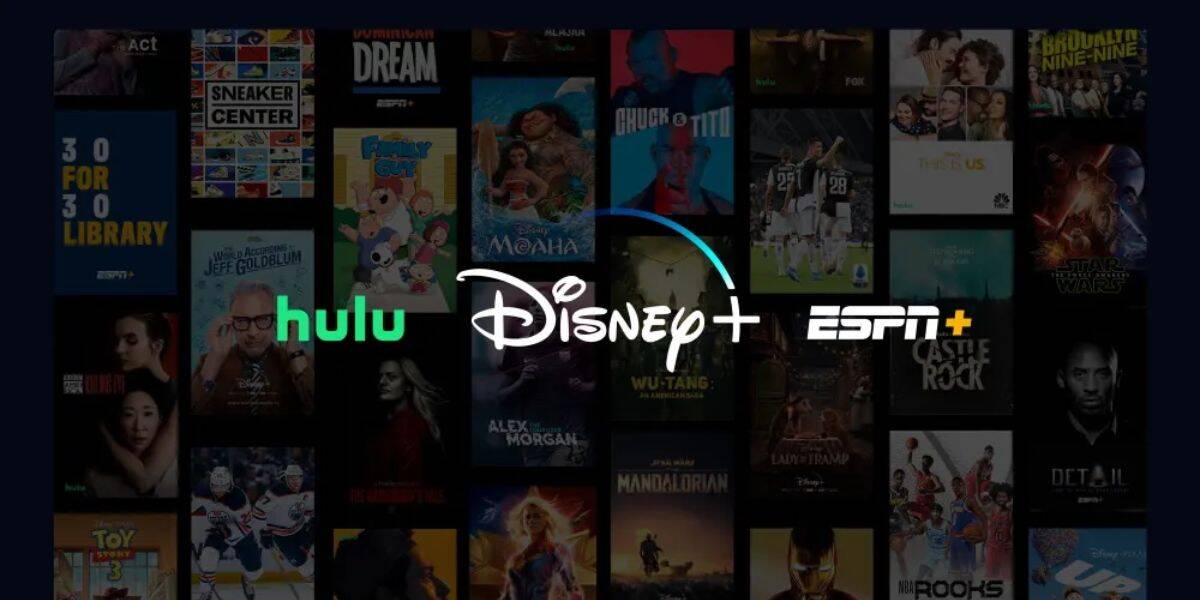
It isn’t a rumor. It isn’t insider information. And Disney certainly hasn’t announced any plans to do it.
But the fact that a respected Wall Street analyst is even making the argument shows just how dramatically the conversation around streaming has changed.
A stunning proposal
According to a new research note from Wells Fargo analyst Steven Cahall, Disney’s long-term future may actually be stronger without Disney+.
Rather than continuing to battle Netflix, YouTube, Amazon Prime Video, and other streaming giants, Cahall argues Disney should return to what it historically did best: creating premium entertainment and licensing it to other distributors.
The analyst believes removing the enormous costs associated with running a global streaming platform could dramatically improve Disney’s financial outlook.
Even more eye-opening is the projected upside.
Cahall estimates such a move could increase Disney’s stock price by roughly 40 percent while simplifying the company’s business and allowing executives to focus more heavily on intellectual property and the Disney Experiences division.
For a company that spent years convincing investors streaming represented the future, it’s an extraordinary reversal of thinking.
Disney changed everything for Disney+
When Disney launched Disney+ in 2019, it fundamentally altered the company’s business strategy.
Instead of licensing Marvel, Pixar, Star Wars, Disney Animation, and Disney Channel programming to outside companies, Disney began keeping nearly everything inside its own ecosystem.
The approach helped Disney+ attract subscribers at a remarkable pace.
Within months, the service had become one of the fastest-growing streaming platforms in history.
But growth came at a price.
Building and maintaining a worldwide streaming operation required billions of dollars in technology, infrastructure, original programming, international expansion, marketing, customer support, and distribution.
Meanwhile, Disney sacrificed enormous licensing revenue by refusing to sell many of its biggest titles to competing services.
For years, executives argued those short-term sacrifices would eventually pay off.
Now, some analysts believe that payoff may never fully arrive.
The licensing business never disappeared
One of the most interesting aspects of Cahall’s report is that it looks backward rather than forward.
Instead of asking how Disney can beat Netflix, he asks whether Disney should even be trying.
Before Disney+, licensing generated dependable revenue with far lower operating costs.
Studios produced films and television series before selling distribution rights around the world.
The distributor handled the platform.
The studio collected the licensing fees.

According to Cahall’s estimates, Disney could potentially generate more than $15 billion annually in licensing revenue by fiscal year 2028 if it returned to that model. He also projects that such a shift could improve earnings while reducing the financial risks associated with operating a streaming platform.
It’s a strategy that would have seemed outdated just a few years ago.
Today, some investors are beginning to see it differently.
Can Disney really compete forever?
Streaming has become one of the entertainment industry’s most expensive battles.
Netflix continues spending heavily on original programming.
Amazon treats Prime Video as part of a much larger retail ecosystem.
YouTube dominates user engagement on a global scale.
Apple has virtually unlimited financial resources.
Against competitors like those, Disney faces a unique challenge.
Unlike Netflix, Disney isn’t built around producing hundreds of new titles every year.
Its biggest brands thrive on theatrical releases, blockbuster franchises, theme park integration, and carefully managed storytelling.
That premium approach has historically created enormous value.
It also means Disney releases far less content than many of its streaming competitors.
Cahall questions whether that release strategy is enough to maintain long-term subscriber growth in an increasingly crowded marketplace.
Would Disney ever actually do it?
Probably not anytime soon.
Disney has invested billions into Disney+.
The platform now sits at the center of the company’s entertainment ecosystem, connecting Marvel, Star Wars, Pixar, Disney Animation, National Geographic, ESPN, and Hulu.
Walking away would represent one of the biggest strategic reversals in modern corporate history.
It would also require Disney to dismantle years of infrastructure while renegotiating countless distribution agreements around the world.
That doesn’t mean the discussion isn’t important.
Just a few years ago, nearly every media company raced into streaming because it appeared to be the industry’s inevitable future.
Today, investors are asking tougher questions about profitability, subscriber growth, operating margins, and long-term sustainability.
Disney has already adjusted its streaming strategy several times, introducing advertising-supported plans, raising subscription prices, bundling services, and placing greater emphasis on profitability rather than pure subscriber growth.
Those moves suggest even Disney recognizes the streaming business has matured into something far more challenging than executives originally envisioned.

A conversation that would have been impossible
Whether Cahall’s proposal ever gains real traction remains to be seen.
Disney has given no indication that it intends to abandon Disney+, and the company continues investing in its streaming businesses.
Still, the significance of this report shouldn’t be overlooked.
Not because Disney is about to shut down Disney+.
But because respected analysts are now openly questioning whether the company’s biggest strategic move of the past decade was the right one.
Just seven years after launching Disney+, Wall Street is seriously debating whether Disney’s future might actually look more like its past.
For a company that once helped redefine the streaming industry, that’s an astonishing conversation to be having.