 Credit: Lee (myfrozenlife), Flickr
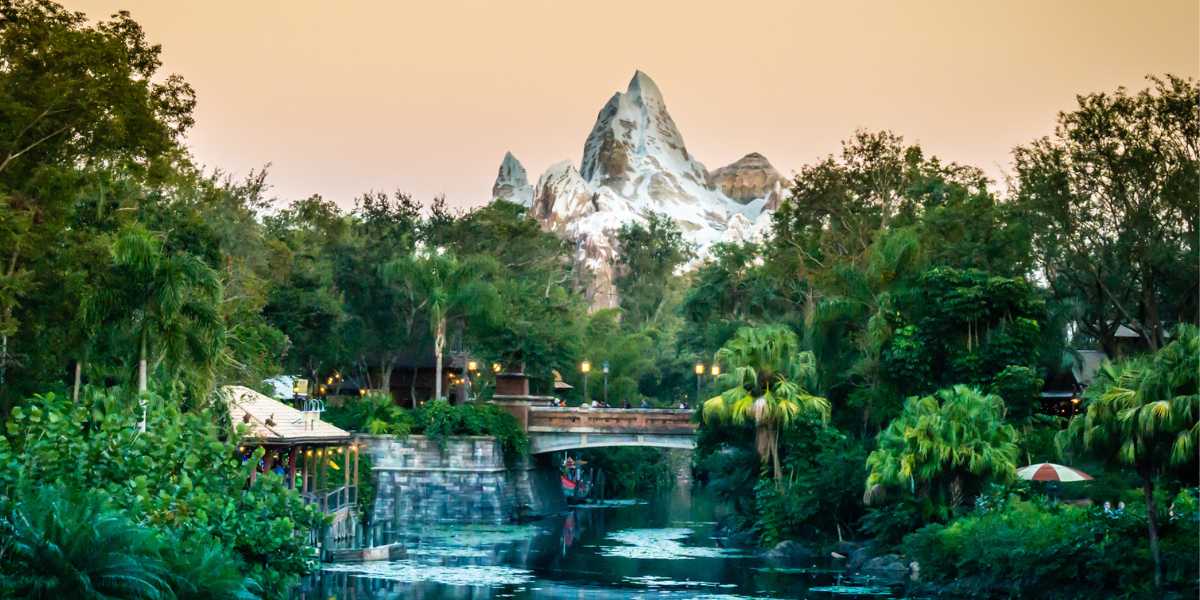
Disney’s Animal Kingdom has quietly been making some pretty major operational tweaks lately, and one of the biggest changes is now affecting how guests experience Expedition Everest. For years, the coaster’s single rider line became one of the best “hidden hacks” anywhere at Walt Disney World. Guests who didn’t mind splitting from their group could often walk onto the attraction in a fraction of the posted standby wait.
That may no longer be the case.
Disney has now introduced another queue adjustment inside Expedition Everest that appears designed to improve overall ride efficiency. While that sounds great for standby guests, it is also having a noticeable impact on the attraction’s single rider line.
And honestly, this change says a lot about where Disney operations may be heading as crowd levels continue rising across the parks heading into summer 2026.
Disney Continues Adjusting Expedition Everest Operations
Expedition Everest has always been one of the most reliable thrill rides at Disney’s Animal Kingdom. The coaster typically loads quickly, pushes large numbers of guests through per hour, and often becomes one of the smartest Lightning Lane Multi Pass selections at the park because of how popular it remains throughout the day.
But even with its strong capacity, Disney has still been looking for ways to make the attraction move faster.
According to reports from inside the park, Disney has now started separating guests into odd-numbered and even-numbered groups inside the attraction’s final “red room” before loading.
Even-numbered groups are sent one direction while odd-numbered groups are sent another. By the time guests reach the loading platform, Cast Members already have parties organized in ways that help them fill the trains more efficiently.
The goal is pretty simple: reduce empty seats and speed up dispatch times.
It also follows another recent addition to the attraction. Disney installed new pre-boarding video screens that show guests how to secure their restraints and store loose items before entering the train.
When you combine the instructional videos with the new odd/even grouping system, it becomes pretty obvious Disney is trying to tighten operations anywhere it can.
Why Single Rider Is Suddenly Slower
The problem for single riders is that the system now naturally creates fewer empty seats.
Before this adjustment, Cast Members relied more heavily on the single rider line to fill random gaps left by uneven party sizes. That made the line move surprisingly fast on many days.
Now, though, Disney’s new sorting system already creates a pool of guests that can help fill those spaces before Cast Members ever need to pull from the dedicated single rider queue.
That means fewer calls forward for guests waiting in single rider.
The line technically still exists. Disney has not removed it. But guests are already noticing that it moves far slower than it used to.
And for longtime Disney visitors, that is a pretty significant shift.
Expedition Everest became famous among frequent parkgoers because the single rider line could sometimes cut a 60-minute wait down to 10 or 15 minutes. On certain mornings or evenings, guests could practically marathon the attraction.
That experience may now be changing permanently.
Disney Is Clearly Focused on Capacity
This adjustment also fits into a much larger pattern happening across Walt Disney World.
Disney is under enormous pressure right now to keep attractions operating as efficiently as possible. Summer crowds are ramping up. Several new offerings are arriving across the resort. Disney’s Hollywood Studios alone is preparing for the debut of Rock ’n’ Roller Coaster Starring The Muppets on May 26, while EPCOT is preparing for the return of Soarin’ Across America.
Animal Kingdom is also entering one of its strangest transitional periods ever.

DINOSAUR is gone. DinoLand U.S.A. demolition continues. Entire sections of the park are changing as Disney works toward the Tropical Americas expansion expected to open in late 2027.
That creates additional pressure on remaining headliner attractions like Expedition Everest, Avatar Flight of Passage, and Kilimanjaro Safaris.
Every extra train dispatch matters.
Every empty seat matters.
And from Disney’s perspective, improving standby throughput likely helps far more guests overall than maintaining an ultra-fast single rider line for a smaller group of people.
Fans Already Seem Divided
As expected, Disney fans immediately started debating the change online.
Some guests believe the new system makes complete sense. If Disney can consistently fill more seats on every train, standby waits should theoretically improve for a much larger number of guests.
Others are not convinced.
Some fans argue that Expedition Everest already had an effective system through the single rider line and believe Disney may simply be trying to eliminate one of the last truly valuable “skip the wait” strategies available without Lightning Lane.

That conversation has become increasingly common across Disney parks lately.
A lot of longtime guests feel Disney has gradually reduced the number of free planning advantages that once helped experienced visitors outsmart crowds. Virtual queues have changed over time. Free FastPass disappeared years ago. Lightning Lane became a paid system. And now even some single rider lines feel less beneficial than they once were.
Whether intentional or not, some fans see the Expedition Everest adjustment as another example of Disney prioritizing operational efficiency and paid systems over guest flexibility.
The Lightning Lane Factor
There is also another reality many Disney fans are quietly discussing.
More efficient standby loading creates more flexibility for Lightning Lane usage too.
If Disney can dispatch trains faster and reduce operational slowdowns, it gives the park more room to manage standby and Lightning Lane return windows simultaneously.

That matters even more right now because Animal Kingdom has fewer major attractions operating compared to previous years. With DINOSAUR closed permanently and Tropical Americas still years away, crowd distribution inside the park has shifted heavily toward the remaining E-ticket rides.
Expedition Everest absorbs a massive portion of that traffic every single day.
So while single rider guests may feel frustrated by the slowdown, Disney likely views the overall numbers very differently.
This Might Become the New Normal
What makes this story especially interesting is that Expedition Everest may not be the last attraction to receive this kind of operational overhaul.
Disney has spent the last several years obsessing over efficiency improvements. Guests have already seen more locker enforcement at TRON Lightcycle / Run, stricter loading procedures on several attractions, and additional pre-show instructions designed to reduce delays.
The new Everest system feels like another step in that direction.
And honestly, from Disney’s standpoint, it probably works.

The average guest in standby likely benefits from slightly shorter waits and fuller trains. The downside mainly falls on experienced visitors who relied heavily on single rider shortcuts.
That does not mean the single rider line is useless now. It can still save time depending on crowd levels and party sizes throughout the day. But guests should absolutely adjust expectations moving forward.
The days of Expedition Everest being one of Disney World’s easiest “walk-on hacks” may be starting to disappear.
At least for now.