Credit: Inside the Magic
Disney World guests driving this summer to the theme parks need to be made aware of three laws that all citizens must adhere to when driving in Florida.
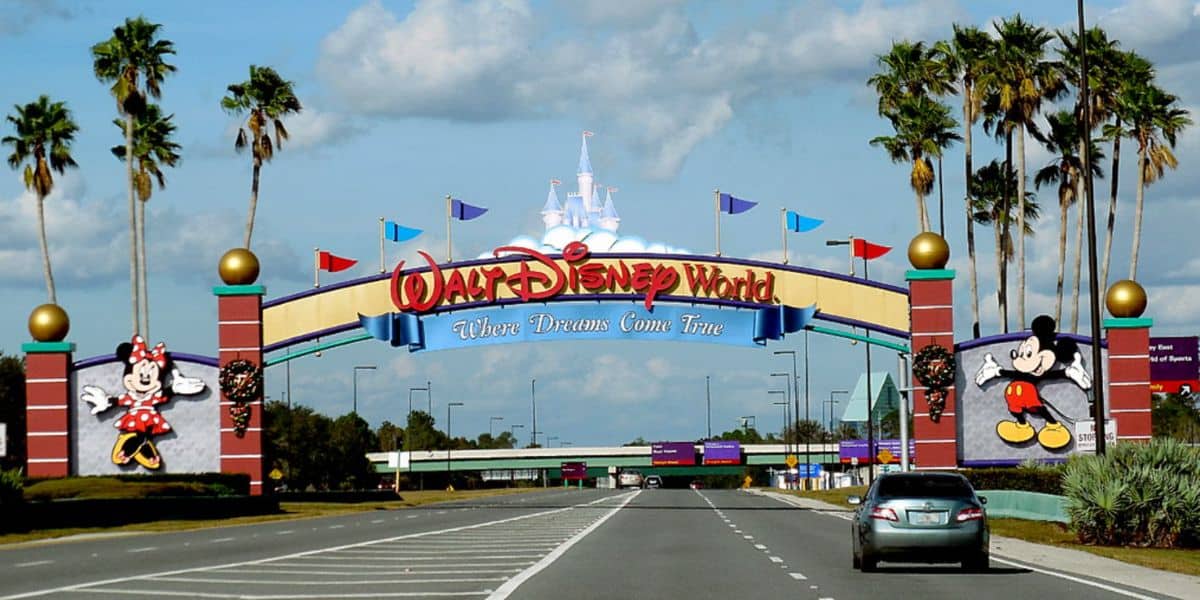
Florida Laws Catching Thousands of Disney World Guests off Guard?
There’s something almost sacred about a trip to Walt Disney World. For many families, it’s more than a vacation—it’s a long-awaited escape, a milestone, a chance to step into a world where everything feels just a little more magical. Months of planning go into each visit, from park reservations to dining plans, all leading up to that unforgettable moment of arrival.
But as any seasoned guest knows, a Disney World trip doesn’t begin at the park gates. It starts the second you land in Florida—or even earlier, when you get behind the wheel. And while most guests focus on Genie+ strategies or hotel perks, there’s another layer of preparation that often goes overlooked.
Fans are noticing that more travelers are relying on rental cars or driving themselves across Central Florida, navigating highways, sudden rainstorms, and unfamiliar traffic patterns. It’s part of the adventure—but also where things can quickly go wrong if you’re not careful.
A surprising change in awareness is happening right now, and it has nothing to do with rides or wait times. Instead, it centers on something far less magical—but just as important to your trip.

Why Are Disney World Visitors Being Warned About Florida Laws?
Guests are already reacting to the realization that Florida’s laws can be very different from what they’re used to back home. In the United States, every state operates under its own legal system, and Florida is no exception.
For Disney World travelers, this creates a unique challenge. You might be doing everything “right” based on your home state’s rules—only to unknowingly break the law the moment you cross into Florida roads.
This matters more than ever because Central Florida is built for drivers. Whether you’re heading from Orlando International Airport to your resort or commuting between parks, chances are you’ll spend a significant amount of time in a vehicle. That makes understanding local laws not just helpful—but essential.

What Happens When Florida’s Weather Meets the Road?
If you’ve ever visited Florida, you already know: rain is practically guaranteed. Sudden downpours can appear out of nowhere, even on bright, sunny days.
But here’s where things get tricky. According to Florida law, drivers are required to turn on their headlights—and by default, taillights—whenever driving in rain, smoke, or fog. That includes those quick midday storms that catch tourists off guard.
Fans are noticing a common mistake, though. Many drivers instinctively turn on their hazard lights during heavy rain. In Florida, that’s actually prohibited while the vehicle is in motion. Hazard lights are only meant for stopped or disabled vehicles pulled to the side of the road.
This isn’t just a technicality. It’s about visibility and safety. Misusing hazard lights can confuse other drivers, increasing the risk of accidents—especially in already dangerous weather conditions.

Are Your Driving Habits Putting You at Risk?
Another major area where visitors can run into trouble is distracted driving.
Currently, Florida law prohibits the use of handheld cell phones in school zones and construction zones where workers are present. That means no texting, calling, or even holding your phone while passing through these areas. Violations come with fines and points on your license.
But guests are already reacting to what could be an even stricter future. A proposed bill would expand this rule significantly, making it illegal to hold or support a phone in any “handheld manner”—even resting it on your lap.
For Disney World visitors relying on GPS directions, this could have a major impact. It reinforces the importance of using hands-free navigation or mounting your device properly before hitting the road.

Could Your Rental Car Get You in Trouble?
This is one of the most overlooked risks—and it can catch even careful travelers off guard.
Florida law makes it illegal to obstruct a license plate in any way. That includes covering, distorting, or even partially obscuring it. The rule extends to reflective coatings, sprays, frames, or anything that could interfere with visibility.
Guests are already reacting to how strict this law is. Violations can escalate to a second-degree misdemeanor, with penalties including fines up to $500 or even jail time.
For visitors driving rental cars, this means taking a moment to check your vehicle before leaving the lot. Something as simple as a decorative frame or dirt buildup could technically put you in violation.

Why Does This Matter for Your Disney World Vacation?
It’s easy to think of these rules as minor details—but their impact can be significant.
No one plans a Disney World trip expecting to deal with traffic tickets, fines, or legal issues. Yet even a small mistake on the road can quickly turn a dream vacation into a stressful experience.
These laws exist for a reason: safety. Florida’s roads are some of the busiest in the country, especially around Orlando’s theme parks. With tourists from all over the world sharing the same highways, clear and consistent rules help prevent accidents and keep traffic flowing.
Understanding these laws before you travel means you can focus on what really matters—making memories, not managing problems.

What Should Guests Do Before Heading to Disney World?
The takeaway is simple, but incredibly important: preparation goes beyond packing your bags.
Before your trip, take a few minutes to familiarize yourself with Florida’s driving laws. If you’re renting a car, inspect it. If you’re using GPS, make sure it’s set up for hands-free use. And if you’re driving in the rain, remember the rules that might differ from what you’re used to.
Fans are noticing that the most successful Disney World vacations aren’t just about planning park days—they’re about eliminating stress wherever possible.
Looking ahead, as Florida continues to evaluate stricter driving laws and enforcement, this awareness will only become more critical. For guests, it’s a reminder that the magic of Disney starts with a safe and smooth journey—and sometimes, the smallest details can make the biggest difference.
For more information on Florida’s driving laws, click here.