

 Credit: Disney / Universal
For decades, the typical Walt Disney World vacation followed a familiar formula. Families would arrive in Orlando, check into a Disney resort hotel, and spend the next five to seven days almost entirely inside the Disney bubble. Between the four theme parks, water parks, Disney Springs, and resort activities, there was more than enough to keep guests busy without ever needing to leave Disney property.
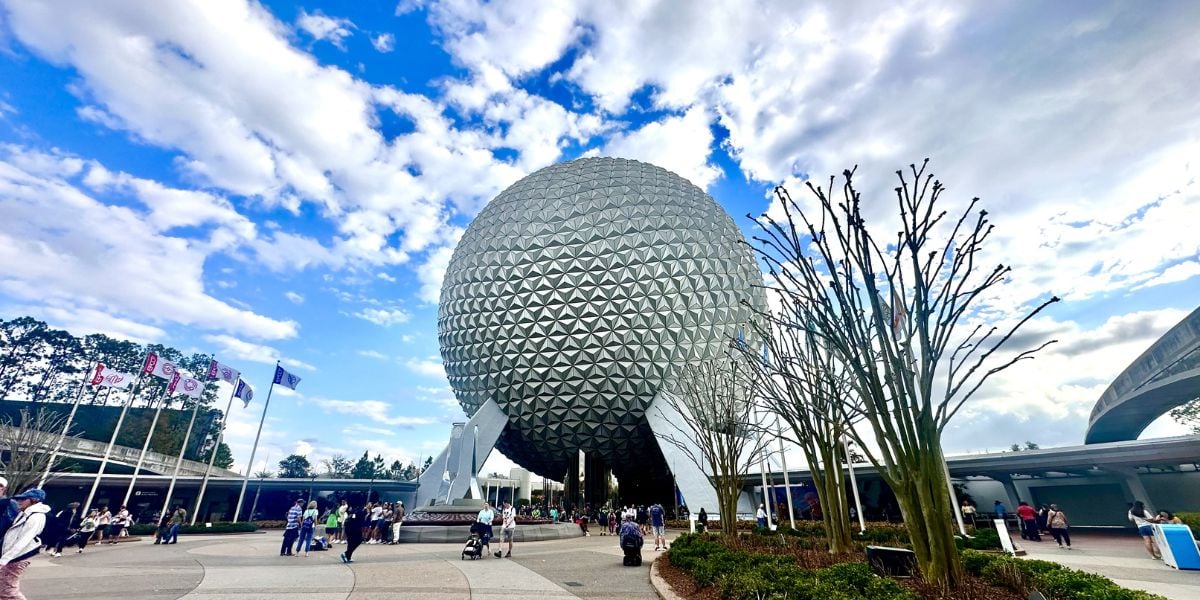
That pattern defined Orlando tourism for a long time. Many families planned their entire trip around Disney alone, sometimes visiting the same parks for multiple days. A full week dedicated to Disney wasn’t unusual—it was the expectation.
But something interesting has started happening in recent years. The traditional seven-day Disney vacation is quietly changing, and a growing number of travelers are no longer committing their entire Orlando trip to one company.
Instead, families are splitting their vacations between Disney and Universal Orlando.
And with the arrival of Epic Universe, that trend is accelerating in a major way.
The Classic “Disney Bubble” Vacation
For a long time, Disney had one major advantage that shaped how families planned their trips: scale.
With four theme parks—Magic Kingdom, EPCOT, Disney’s Hollywood Studios, and Disney’s Animal Kingdom—plus two water parks and dozens of resorts, Disney World offered enough entertainment to fill an entire week or more. Guests could easily spend multiple days in the same park and still feel like they hadn’t seen everything.

Disney also worked hard to keep visitors inside its ecosystem. Transportation systems, resort perks, dining plans, and carefully designed planning tools all encouraged guests to stay on property and focus exclusively on Disney experiences.
For years, that strategy worked extremely well. Universal Orlando Resort was certainly popular, but it typically required only a day or two to experience everything.
That difference shaped vacation planning. Families would often spend an entire week at Disney and maybe squeeze in a quick Universal visit near the end of the trip—if they visited at all.
That balance, however, has started to shift.
Universal Has Become a Full Vacation Destination
Universal Orlando has spent the last decade steadily transforming itself from a two-day side trip into a full vacation destination.
The addition of The Wizarding World of Harry Potter across multiple parks dramatically increased interest in Universal. Suddenly, millions of fans had a reason to dedicate real time to the resort.

New attractions, expanded resort hotels, and large-scale entertainment offerings continued building momentum. Universal Studios Florida and Islands of Adventure began drawing crowds that rivaled Disney’s parks.
But the biggest change came with the opening of Epic Universe in May 2025.
Epic Universe introduced an entirely new theme park to Universal Orlando’s lineup, dramatically increasing the amount of time guests need to explore the resort. Instead of two parks, Universal now offers three full theme parks—each packed with major attractions and immersive lands.
For many families planning a trip to Orlando, skipping Universal entirely no longer feels like an option.
Epic Universe Changes the Math
Epic Universe didn’t just add another park to Universal’s lineup. It changed the way visitors think about their Orlando vacation.
The park includes several large themed lands, including Dark Universe, a How to Train Your Dragon world, a new Wizarding World of Harry Potter land focused on the Ministry of Magic, and a massive central hub area. Each section features detailed environments, major attractions, restaurants, and shows designed to keep guests exploring for hours.
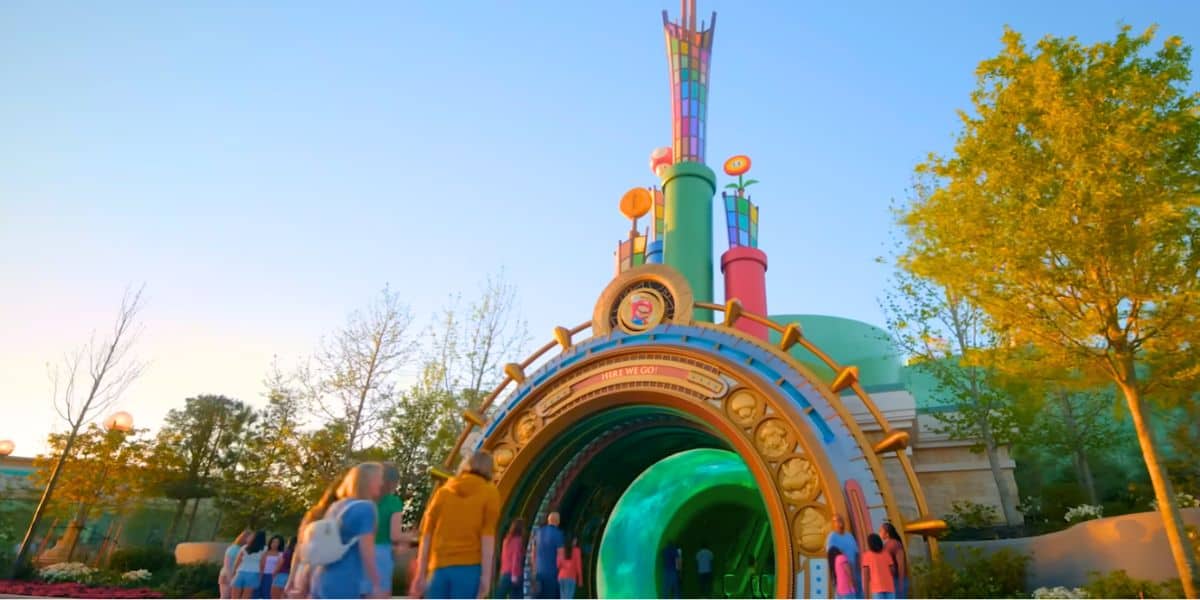
That kind of scale naturally requires time.
Visitors who once planned a quick Universal stop now find themselves needing at least two or three days to experience everything. Add in Universal Studios Florida and Islands of Adventure, and suddenly Universal Orlando can easily fill four days of a trip.
That leaves fewer days available for Disney.
Instead of booking a full week at Disney resorts, some families are now planning split vacations—spending part of the trip at Disney and the rest at Universal.
The Rise of the Split Vacation
The “split stay” has quickly become one of the most noticeable trends in Orlando tourism.
Rather than choosing between Disney or Universal, many families now experience both. A typical trip might include three days at Disney parks followed by three days at Universal, or vice versa.

This approach gives visitors a chance to experience a wider variety of attractions and entertainment styles. Disney offers classic rides, immersive storytelling, and iconic characters. Universal delivers intense thrill rides, cinematic environments, and cutting-edge ride systems.
For guests, combining both resorts often feels like the best possible vacation.
It also reflects how much Universal has grown. Years ago, Universal simply didn’t have enough attractions to justify multiple days for many visitors. Now, with Epic Universe open and operating, that’s no longer the case.
Universal has officially become a destination that can compete with Disney for vacation time.
Disney’s Seven-Day Vacation Is Getting Shorter
One of the biggest consequences of this shift is the slow decline of the traditional seven-day Disney-only trip.
Families still visit Disney for multiple days, but many are no longer dedicating an entire week exclusively to Disney parks. Instead, they’re trimming those stays to fit Universal into the schedule.
A trip that once looked like seven Disney park days might now be four days at Disney and three days at Universal.
This doesn’t necessarily mean Disney is losing visitors. In many cases, the same families are still going—but they’re simply spending fewer days inside Disney parks.
From a planning perspective, it makes sense. When travelers are already flying to Orlando, adding Universal into the itinerary feels like an easy decision.
Competition Is Changing Orlando Tourism
The rivalry between Disney and Universal has always been part of Orlando’s theme park culture, but the dynamic is evolving.
Universal’s expansion—especially with Epic Universe—has created real competition for vacation time. Guests now face a genuine choice when deciding how to allocate their days.

For visitors, that competition is largely positive. Both companies continue investing heavily in new rides, lands, and experiences as they try to attract travelers.
Disney is currently undergoing major changes across its parks, including new lands, ride updates, and large-scale expansions planned for the coming years. Universal is doing the same with new attractions and continued development around Epic Universe.
The result is a theme park destination that keeps getting bigger and more ambitious.
The Future of the Orlando Vacation
The traditional Disney-only vacation isn’t disappearing completely, but it’s no longer the default option for many families.
Orlando has evolved into a destination where multiple major theme park resorts compete for attention, and visitors increasingly want to experience them all.

Epic Universe has played a major role in accelerating that shift. By dramatically expanding Universal Orlando’s offerings, the park has reshaped how travelers think about planning their trips.
Instead of committing an entire week to Disney, more families are dividing their time across both resorts.
In other words, the classic seven-day Disney vacation may not be gone—but it’s definitely changing.
And thanks to Epic Universe, the era of the Disney-only Orlando trip may finally be coming to an end.