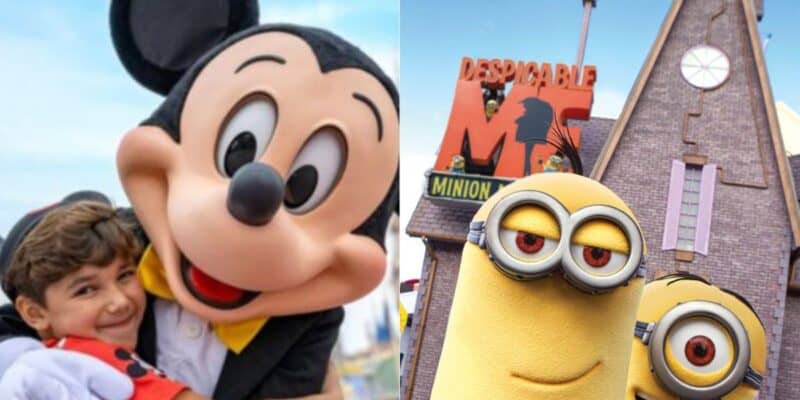
 Credit: Disney / Universal
Universal isn’t tiptoeing anymore. It’s moving with purpose—and this time, the target is unmistakable. For decades, Disney has carved out areas of the theme park world that feel almost untouchable, built on trust, familiarity, and a reputation that few competitors have ever seriously challenged. For many travelers, the decision has long felt automatic. Certain Disney experiences simply own their space.
That’s the status quo Universal is now pushing against, and it’s doing so in a way that feels intentional, strategic, and just a little provocative.
What makes this moment different isn’t just expansion—it’s direction. Universal isn’t trying to out-Disney Disney inside Florida. It’s turning up the heat in the rivalry by going after one of Disney’s most well-known territories, and it’s doing it on entirely new ground.

Disney’s Longstanding Grip on Family Entertainment
For as long as most families can remember, Walt Disney World has been synonymous with all-ages fun. The parks are layered carefully, offering rides that grandparents can enjoy alongside toddlers, with gentle attractions, slow-moving dark rides, and familiar characters at every turn.
Magic Kingdom alone is packed with experiences designed for younger guests, and the rest of the resort follows suit. Whether it’s EPCOT’s interactive attractions, Animal Kingdom’s trails and shows, or Hollywood Studios’ character-heavy experiences, Disney has mastered the art of appealing to kids without alienating adults. That balance has been its superpower—and its shield.

Universal’s Reputation as the Thrill Capital
Universal Parks & Resorts built its identity in a very different way. For years, Universal leaned hard into thrills, intensity, and cinematic spectacle. Big coasters. High speeds. Motion simulators that pushed comfort limits.
That approach worked. Universal became the go-to destination for teens, young adults, and adrenaline seekers. But it also created a perception problem. Families with younger kids often viewed Universal as a “wait until they’re older” park. The rides were exciting, but many came with height requirements or sensory overload that ruled out smaller guests.
DreamWorks Land Signals a Shift
That perception started to change when Universal Studios Florida introduced DreamWorks Land. Suddenly, there was a space designed with younger visitors clearly in mind. Bright colors, playful environments, and characters kids already loved created a softer entry point into the Universal experience.
DreamWorks Land isn’t about white-knuckle thrills. It’s about movement, interaction, and familiarity. Kids can explore, play, and feel included, rather than being sidelined while their older siblings ride coasters. It marked a noticeable pivot—Universal acknowledged a gap and actively worked to fill it.
Islands of Adventure Has Dabbled—But Carefully
Islands of Adventure has long had areas that speak to younger audiences. Seuss Landing remains one of the most visually distinct and kid-friendly spaces Universal has ever built. The Jurassic Park Discovery Center and playground also provide families with a place to slow down and let their kids roam.
But these areas have always felt supplemental rather than central. They serve families well, but they don’t redefine Universal’s identity. They coexist with intense attractions rather than challenge Disney’s dominance outright.
A Move That Changes the Conversation
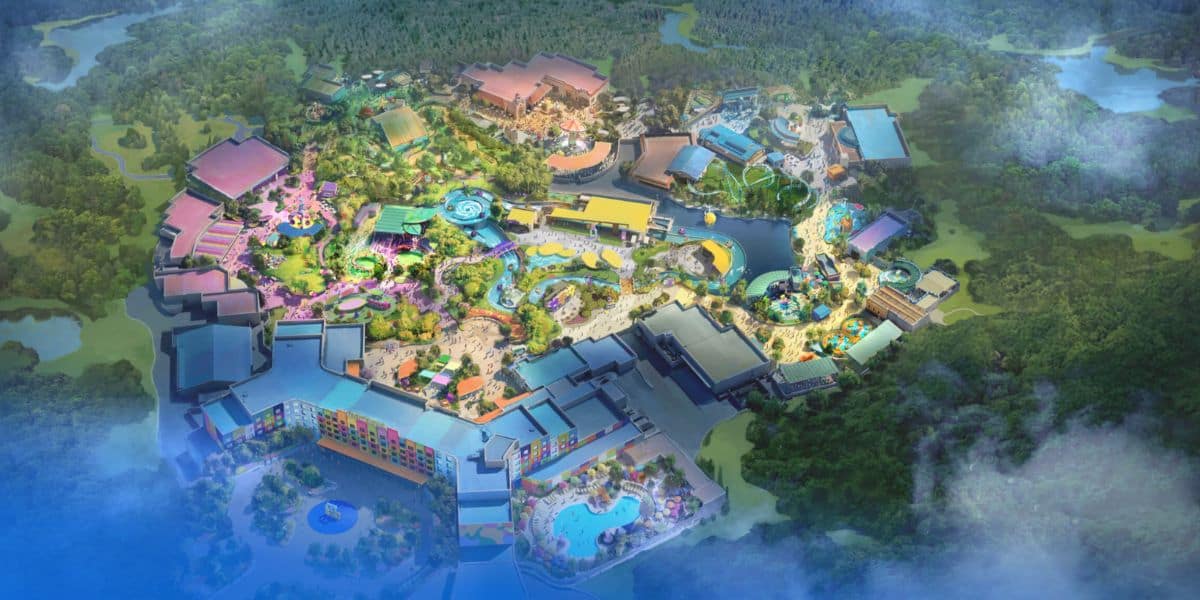
That’s where the newest launch comes in—and why it feels different. Universal isn’t just adding another land or tweaking an existing park. It’s opening a fully kid-centered theme park in Texas, built from the ground up with younger guests as the priority.
Universal Creative President Molly Murphy described the vision clearly in a release:
“Universal Kids Resort embodies the spirit of igniting thrill that drives everything we create—designed to bring our youngest guests and families together through play, creativity, and beloved characters and stories. It’s a destination made for kids and, as a regional theme park, brings Universal’s signature storytelling to families close to home.”
That framing matters. This isn’t a side project. It’s a declaration.

Inside the Lands Shaping the New Park
Each area inside Universal’s Kids Resort targets imagination over intensity. Jurassic World Adventure Camp centers on discovery and playful exploration, giving families gentle rides and interactive elements tied to dinosaurs kids recognize.
Bikini Bottom brings SpongeBob’s world to life with splashy fun, colorful motion rides, and hands-on chaos that mirrors the show’s energy. Shrek’s Swamp leans into storytelling and interactive play, turning familiar moments into physical spaces kids can explore.
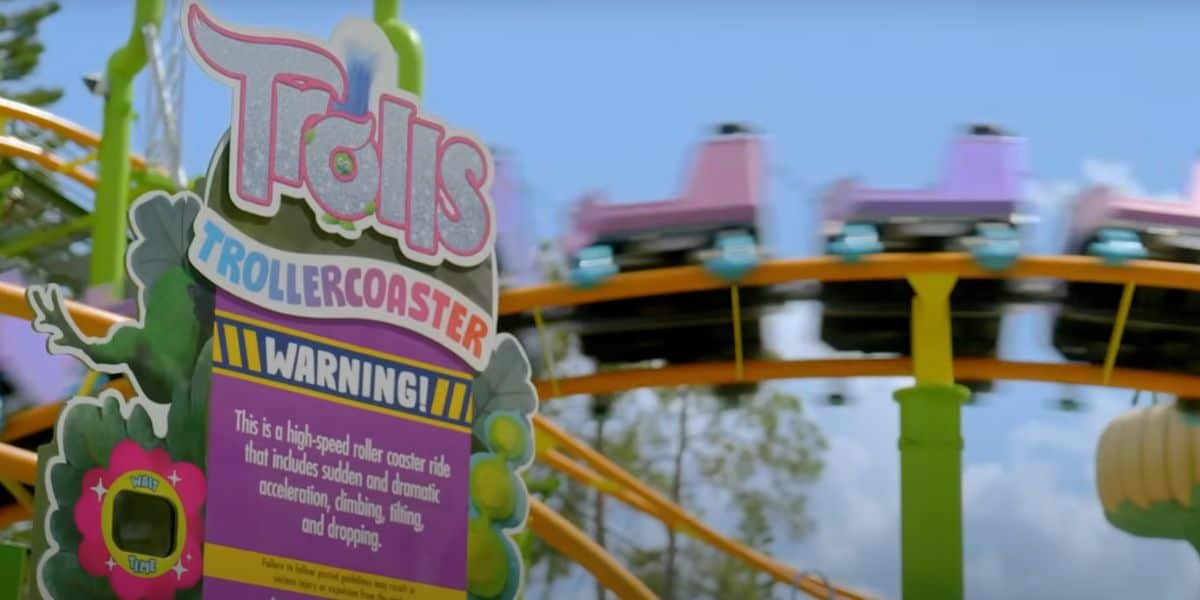
Minions vs. Minions embraces water play and humor, while TrollsFest focuses on music, dancing, and bright, kinetic experiences. Puss in Boots Del Mar mixes shows, gentle ride systems, and character encounters that feel intimate rather than overwhelming.
At the center sits Isle of Curiosity, designed as a calm, flexible hub where kids can reset, explore sensory spaces, and meet characters in a low-pressure environment.
A Resort Experience Built for Families
Universal isn’t stopping at the park gates. A dedicated hotel is situated just steps away, offering family-friendly rooms with thoughtful layouts, playful common areas, and amenities designed to cater to both kids and parents.
Bunk beds, a game room, a kid-focused café, and adult spaces like a lounge and bar all signal something important: Universal understands that family trips succeed when everyone has something explicitly meant for them.
What This Means for Disney
This move doesn’t threaten Disney overnight—but it does chip away at something Disney has relied on for decades: default loyalty. When families have a nearby, high-quality option explicitly built for younger kids, the automatic choice disappears.
Universal is no longer asking families to wait until kids grow up. It’s inviting them in early—and building brand loyalty from the very beginning.

A New Era in the Theme Park Rivalry
This isn’t about stealing guests for a single vacation. It’s about shaping habits, expectations, and emotional connections. By stepping directly into Disney’s strongest market, Universal is rewriting the rules of its rivalry.
The question now isn’t whether Universal can compete for families. It’s how Disney responds when it no longer stands alone at the starting line.