
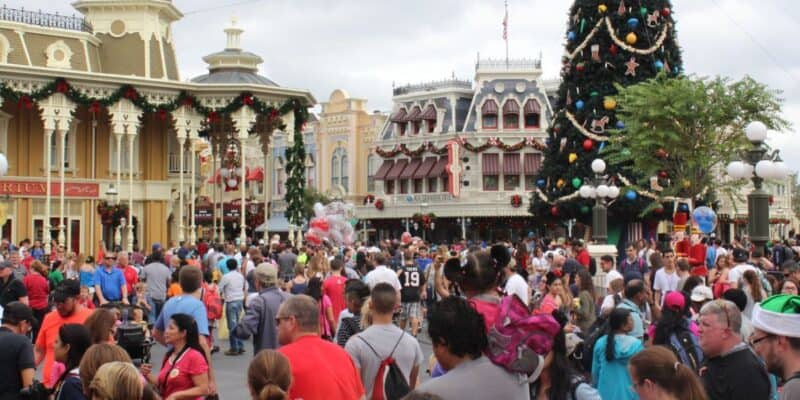
 Credit: Theme Park Tourist, Flickr
If you’re anywhere near Walt Disney World right now—or even just watching from afar—it’s clear that New Year’s Eve crowds have officially crossed into a different category. This isn’t your standard “holiday busy” situation. This is the kind of crowding where movement slows, patience wears thin, and the parks start to feel less like vacation destinations and more like tightly packed event venues.
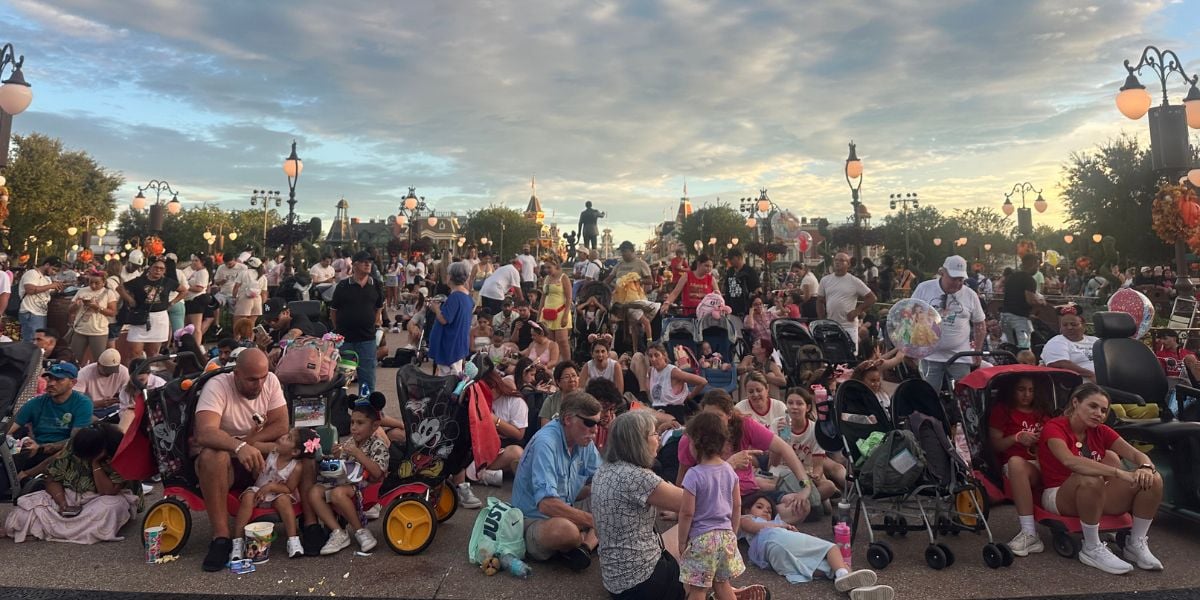
New Year’s Eve at Disney has always been intense, but this year feels especially compressed. Walkways are filling earlier in the day, ride queues are spilling out into public spaces, and guests are already making decisions based on crowd survival rather than fun. When people start planning bathroom breaks and snack stops around foot traffic patterns, you know things have reached a tipping point.
And Disney clearly saw it coming.
Park availability vanished long before the countdown
One of the biggest signs that New Year’s Eve crowds were going to be extreme showed up weeks ago—long before the first firework launched. Park availability began disappearing across multiple ticket types, with Magic Kingdom becoming especially difficult to access.
Annual Passholder reservations for Magic Kingdom on December 31 filled up entirely, locking out even longtime locals who typically rely on last-minute flexibility. Regular admission availability tightened as well, pushing many guests to adjust plans or switch parks altogether. When Disney starts cutting off access early, it’s a signal that the park is approaching its maximum comfort threshold—not just capacity, but functional capacity.
This isn’t about selling special event tickets or exclusive parties. New Year’s Eve doesn’t require a separate ticket to attend. It’s a normal operating day with fireworks layered on top. That’s exactly what makes it so risky from a crowd standpoint. Everyone with a valid ticket wants to be there at the same time, doing the same thing, in the same place.
Wait times show just how stretched the parks already are
You don’t need crowd calendars or social media videos to understand how busy things are. Wait times tell the story all on their own.
Across the last week of December, average waits climbed to levels that would normally only appear during peak summer holidays—and they stayed there consistently throughout the day. Magic Kingdom, EPCOT, Hollywood Studios, and Animal Kingdom all saw marquee attractions hovering at or above the hour mark for most of the day.
At Magic Kingdom, rides like TRON Lightcycle/Run, Seven Dwarfs Mine Train, Jungle Cruise, Peter Pan’s Flight, and Tiana’s Bayou Adventure all spent long stretches with waits pushing well past an hour. EPCOT saw similar pressure on Guardians of the Galaxy: Cosmic Rewind, Test Track, Remy’s Ratatouille Adventure, and Frozen Ever After. Hollywood Studios didn’t escape either, with Slinky Dog Dash, Rise of the Resistance, and Tower of Terror stacking long lines from morning through close.

Animal Kingdom, often considered the park guests use to escape crowds, wasn’t immune. Avatar Flight of Passage consistently topped the list, while Na’vi River Journey, Expedition Everest, and Kilimanjaro Safaris all pulled steady crowds.
The key issue isn’t just how high the waits are—it’s how evenly spread they are. When nearly every major attraction has a long line, guests stop moving freely. They pick a queue and stay there. That’s when walkways clog and flexibility disappears.
Why New Year’s Eve feels heavier than Christmas week
Christmas week is busy, no question. But it’s also scattered. Families split days between parks and resorts. Some guests leave early for travel. Others skip fireworks or head back to hotels once the kids crash.
New Year’s Eve crowds behave differently.
People stay late. They arrive early and commit. They plant themselves in areas hours ahead of midnight and don’t move. Fireworks aren’t just entertainment—they’re the main event. That creates dense pockets of guests who aren’t cycling through rides or restaurants. They’re standing still.

Magic Kingdom feels this the most. Fireworks draw guests who may not even ride a single attraction that day. The park becomes a gathering place, not a ride park. That changes everything about how crowds flow. Bridges, hub pathways, land entrances, and viewing areas all become choke points. Once those fill, movement slows dramatically.
EPCOT absorbs crowds slightly better thanks to its size, but even there, World Showcase paths tighten as the night goes on, especially around popular country pavilions and lagoon viewing spots.
The real danger isn’t numbers—it’s density
Disney has systems in place. Cast Members know how to manage surge days. Temporary barriers, directional flow, and crowd control measures are part of the plan every year.
But guest experience hits a danger zone when density rises too quickly in the wrong areas.
That’s when small issues snowball. A stopped stroller blocks traffic. A Lightning Lane merge backs up into a walkway. A fireworks viewing shift reroutes hundreds of people at once. Suddenly, guests can’t move forward or backward easily, and stress levels spike.
It’s not about panic. It’s about margin. When there’s no room for error, everything feels more intense—even if nothing technically goes wrong.
Transportation Becomes its Own Challenge after Midnight
One of the most underestimated parts of New Year’s Eve is what happens after the fireworks end.
Leaving the parks—especially Magic Kingdom—can take an hour or more depending on transportation mode. Ferryboats load slowly. Bus lines stretch far beyond their usual queues. Skyliner stations back up. Ride-share zones flood with demand.

Many experienced guests intentionally delay their exit, waiting out the surge rather than joining it. Others leave early, sacrificing midnight inside the park for a smoother return. Both strategies work. Trying to leave immediately without a plan rarely does.
What Guests Can Do to Stay Sane Tonight
If you’re already committed to being in the parks for New Year’s Eve, preparation matters more than perfection.
Decide early which park is your priority and stick with it. Park hopping late in the day often creates more stress than value. Get your must-do rides done in the morning, before movement becomes difficult. Save flexible activities—shows, snacks, casual wandering—for earlier hours.
Most importantly, plan how and when you’ll leave before you’re tired. The worst decisions happen at the end of the night, when crowds are heaviest and patience is lowest.
The Bottom Line
New Year’s Eve at Walt Disney World isn’t just busy—it’s compressed. The combination of sold-out availability, elevated wait times, and stationary nighttime crowds pushes the parks into a space where enjoyment depends heavily on expectations and planning.
For some guests, that energy is part of the appeal. For others, it’s overwhelming. Neither reaction is wrong. But understanding what you’re walking into makes all the difference.
Tonight isn’t about casually popping into a few rides and seeing what happens. It’s about navigating one of the most intense crowd days Disney offers all year—and doing it with your eyes wide open.