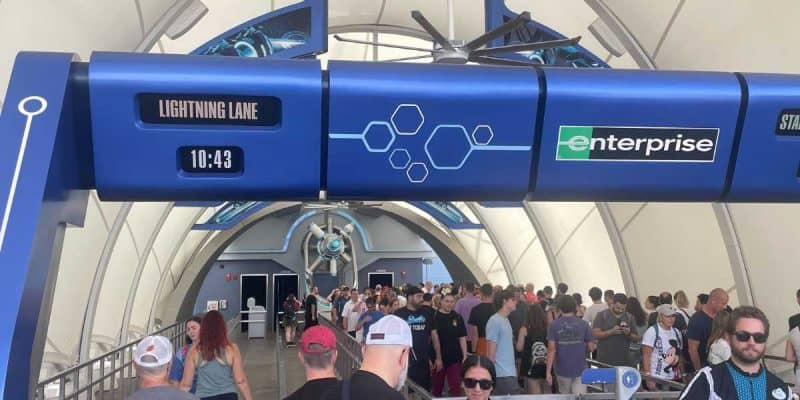
 Credit: Inside the Magic
If there’s one topic that can spiral into chaos on any Disney World forum, it’s wait times. Everyone has a “secret trick,” a cousin who “knows someone,” or a strategy they swear still works even though the parks have changed dramatically over the years. And while some old-school knowledge is still useful, a lot of guest assumptions hang around long after Disney moved on.
The truth is, wait times aren’t as predictable as people want them to be. They shift with weather, staffing, tech issues, Lightning Lane return traffic, special events, and even TikTok trends. Yet every day, you can walk through the parks and hear the same seven myths being repeated as if they’re guaranteed facts.
Let’s dig into the biggest ones guests still believe—and what’s actually true.
1. “Rope Drop Guarantees the Shortest Waits.”
Rope Drop can be amazing… but not always.
Years ago, showing up 30 minutes before the official park opening gave you a huge advantage. Now, with resort Early Entry, guests can already be halfway through major rides before day guests even scan in. On top of that, thousands of people flock to the same attractions—usually Seven Dwarfs Mine Train, Peter Pan’s Flight, Frozen Ever After, Rise of the Resistance, and Avatar Flight of Passage.
So while Rope Drop still works for some rides, it’s no longer the golden rule many people treat it as.
2. “Wait Times Are Always Exaggerated.”
This one gets tossed around constantly.
Guests assume Disney inflates posted waits to “make things look worse.” In reality, Disney adjusts wait times based on a mix of real data, Lightning Lane flow, and expected slowdowns. Sometimes the posted wait is higher than the actual wait… but sometimes it’s spot-on or even shorter than it should be.
The biggest factor? Lightning Lane return surges. When a flood of LL users enters a queue, the standby side slows down dramatically, and the posted time reflects that. While it is true most of the time that Disney will slightly inflate posted wait times, it’s not always the case.

3. “Rain Helps Reduce Wait Times.”
A little drizzle doesn’t magically clear the parks—especially in Florida, where rain is basically a personality trait.
Instead, short bursts of rain often push people into indoor attractions, making those queues spike. Lightning-sensitive attractions (like Test Track, Slinky Dog Dash, and Tron Lightcycle Run) can also shut down temporarily, which sends everyone scrambling to other rides.
You can still score low waits during longer storms, but it’s not the guarantee people claim.
4. “Crowds Don’t Affect the Big Rides—They Always Have Long Waits.”
Some guests believe rides like Flight of Passage or Space Mountain have “built-in” long waits no matter what. Not true.
When crowds drop, those rides can hit surprisingly low waits—especially early morning, late evening, or during fireworks when people shift their focus elsewhere. Even the giants have sweet spots.
The problem is that most people all flock to the same places at the same times. When guests spread out, those giant queues calm down more than you’d expect.

5. “The App Wait Time Is Always Accurate.”
The My Disney Experience app is an essential tool… but it’s not perfect.
Wait times update frequently—but they don’t update instantly. If Lightning Lane traffic suddenly spikes, if a ride goes down and reopens, or if guests suddenly flock there after a parade, posted times can lag behind by a few minutes.
Think of the app as a guide, not gospel.
6. “Fireworks Time Means Walk-On Rides.”
This used to be true almost every night. You could ride Space Mountain, Big Thunder, or even Pirates with almost no wait while the fireworks boomed overhead.
Now? Crowds have caught onto the trick.
Yes, some attractions still offer slightly shorter waits, but it’s nowhere near the guaranteed walk-on window people believe it is. Fireworks crowds are huge, and many guests jump into line right after the show ends, clogging the queues immediately.
Good? Sometimes. Guaranteed? Not anymore.
7. “The Last Hour of Park Time Has the Shortest Waits.”
The last hour can be amazing, but it’s not foolproof.
Guests who rely on this trick often forget one big thing: Lightning Lane return windows keep flowing until the very end. If LL guests flood the queues during the final hour, standby stalls. Plus, popular attractions tend to see a rush of people trying to “squeeze in one more ride.” Typically, this doesn’t happen, but it absolutely can.
The end of the night can be great— and it’s something that we tend to live by — but it’s not the magical empty-park moment TikTok makes it seem like.

Final Thoughts
Disney World wait times aren’t a science—they’re more of an unpredictable mix of patterns, exceptions, changing operations, and guest behavior. What worked five years ago may not work at all today. And while old myths persist because they were once true, understanding how wait times actually evolve in 2025 can help guests plan more effectively and avoid disappointment.
Whether you’re a veteran planner or a first-timer, knowing these myths can save you a ton of frustration—and maybe even help you find those genuinely short waits that still pop up when you least expect them.