Credit: Inside the Magic
The Walt Disney Company and ABC delivered a significant legal victory against the Trump administration on Wednesday, November 25, 2026, after a federal judge stepped in to halt the Federal Communications Commission from conducting an early broadcast license review of eight ABC-owned television stations. In issuing a preliminary injunction and rejecting the government’s bid to throw out the lawsuit, U.S. District Judge Loren AliKhan found that ABC was “likely to succeed on their retaliation claim,” concluding that the network had demonstrated a likelihood of success in arguing that federal regulators were retaliating against it in violation of the First Amendment.

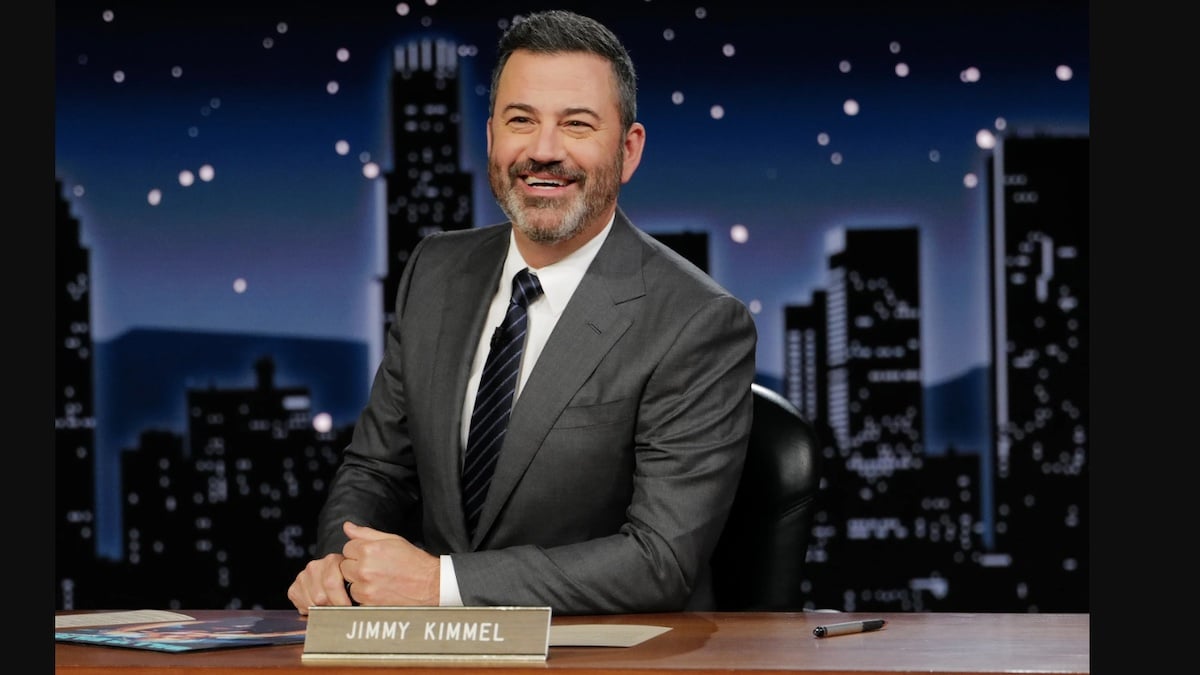
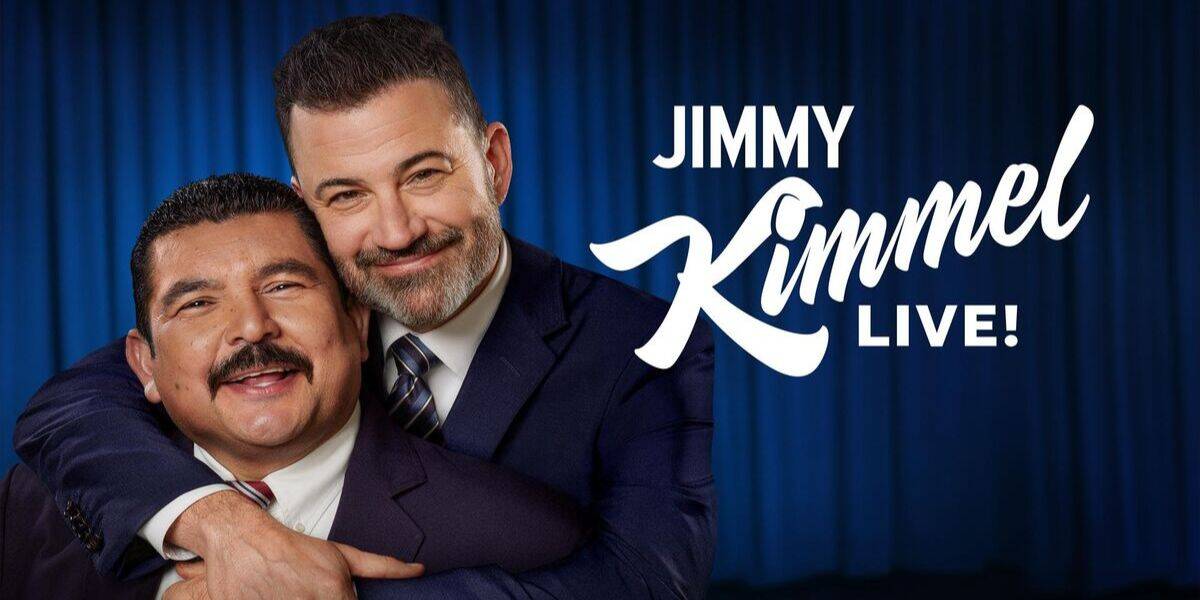
The decision marks a significant court victory for a major media company challenging the FCC’s second-term regulatory actions. By freezing the accelerated license proceedings, Judge AliKhan found that Disney and ABC had demonstrated a likelihood of success in arguing that the agency was using its licensing power to punish the network over its news reporting, daytime panel show The View, and late-night host Jimmy Kimmel.
Judge AliKhan Condemns ‘Existential’ Threat to Broadcast Freedom
In her Wednesday ruling in Washington, D.C., Judge AliKhan rejected the FCC’s argument that initiating an early license renewal review did not cause immediate legal injury to the broadcaster. Highlighting the immense financial and operational stakes tied to federal broadcast licenses, the judge wrote:
“Given the extreme, indeed existential, nature of the possible penalty Plaintiffs face—loss of their broadcast licenses—the court concludes that early license renewal proceedings create a risk sufficient to chill a broadcaster of ordinary firmness.”
Judge AliKhan pointed directly to concrete editorial decisions ABC had already altered out of fear that the FCC might strip licenses from its eight owned-and-operated local stations. Her opinion noted that the network opted to publish Texas Democratic Senate candidate James Talarico’s guest appearance on Jimmy Kimmel Live on YouTube—outside the FCC’s over-the-air broadcast jurisdiction—rather than airing it on television. The interview was ultimately published online rather than canceled. The judge also cited ABC’s decision to livestream President Donald Trump’s July primetime address on ABC News Live rather than broadcast it on its main network, a choice ABC said was influenced by concerns over possible government retaliation.

“These alterations to Plaintiffs’ editorial decisionmaking showcase how the Commission’s early license renewal proceedings have already curtailed Plaintiffs’ protected activity,” Judge AliKhan wrote. “That an objectively reasonable broadcaster faced with the same existential threat would follow suit is beyond debate.”
Inside the Dispute Over Jimmy Kimmel, The View, and Early License Reviews
ABC became the first major broadcast conglomerate to sue the FCC over its second-term enforcement actions when it filed its First Amendment lawsuit in August 2026. The suit followed an April 28 order from FCC Chairman Brendan Carr directing ABC’s eight owned stations to submit their broadcast licenses for early review—years ahead of their normal staggered expiration schedule. The earliest of those licenses was not due to expire until December 2028, with the remaining stations’ licenses extending through 2031.
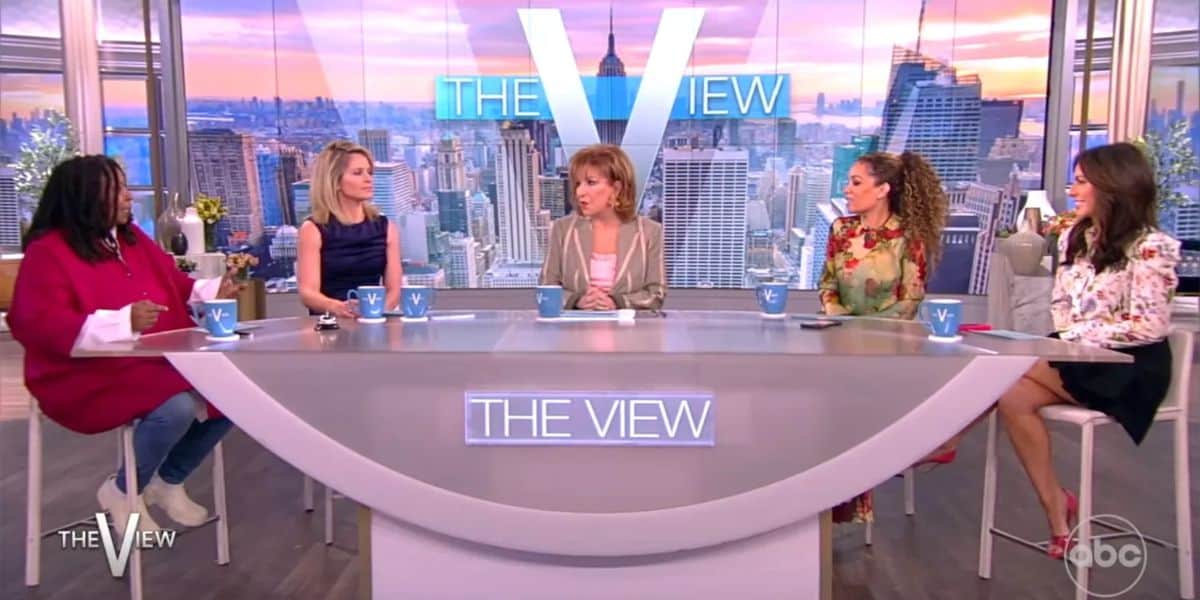
In alleging unlawful political retaliation, ABC cited months of public hostility from President Trump toward ABC News and Jimmy Kimmel, paired with public warnings from Chairman Carr. Judge AliKhan underscored that pattern in her opinion, noting that three co-hosts of The View, Kimmel, and ABC News journalists had all been placed on the White House’s “media offenders” webpage. She also highlighted the timing of the FCC’s license review order, which was issued just one day after Trump posted on Truth Social demanding that Kimmel be fired over a comedy skit aired the prior week.
During court arguments, including a two-hour hearing in October, FCC lawyers claimed the early license review stemmed from a separate agency probe into Disney’s diversity, equity, and inclusion practices and the network’s allegedly inadequate responses to document requests. Government attorneys maintained that the early renewal process was a legitimate regulatory tool for obtaining information and evaluating the stations’ compliance with their obligations. They also contended that ABC had to wait until the administrative review concluded and bring any appeal directly to the U.S. Court of Appeals for the D.C. Circuit rather than suing in district court.
Judge AliKhan rejected both defenses, holding that ABC’s constitutional retaliation claim could be heard outside the standard statutory review channel of the Communications Act and that being singled out for premature scrutiny itself inflicted a real First Amendment injury:
“To be sure, Plaintiffs would face even greater injury if the FCC ultimately denied their renewal applications. But that does not mean that they are not currently being injured by allegedly being singled out for differential treatment—that is, from facing early license renewal proceedings years in advance of the standard expiration dates as a cudgel to stamp out unfavorable content about President Trump.”
During the October hearing, ABC attorney Beth Wilkinson likened the network’s situation to the French Revolution, warning that broadcasters were being forced to sit with their “heads on a guillotine.” She also warned that revoking the stations’ licenses could amount to a corporate “death penalty” for the network.
What the Ruling Means for Broadcasters and the FCC
Chairman Carr has overseen investigations and regulatory reviews involving multiple major broadcast networks, including an inquiry earlier in 2026 examining whether The View qualified for the FCC’s Equal Time Rule exemption. More specifically, regulators questioned whether the daytime program qualified for the bona fide news interview exemption, which can allow certain interviews to proceed without triggering equal-time obligations for other candidates.
Following Wednesday’s ruling, the FCC indicated it would continue defending its authority, while ABC welcomed the court’s decision. ABC News said the ruling was an important victory for the First Amendment and thanked the court for its consideration. FCC Commissioner Anna Gomez—the lone Democrat on the agency—also praised the court’s intervention.
“This decision shows that this FCC is a paper tiger whose threats crumble when challenged by those willing to defend their rights,” Gomez said in a statement following the ruling.
With Judge AliKhan’s preliminary injunction barring the FCC from taking further action against the plaintiffs in the early license renewal proceedings, Disney and ABC have secured a vital legal shield against that regulatory process as the First Amendment lawsuit continues. The injunction does not end the separate FCC investigations or permanently resolve the broader constitutional dispute. Still, it prevents the agency from continuing the challenged early-renewal proceedings while the case proceeds.