6
6
 Credit: Inside the Magic
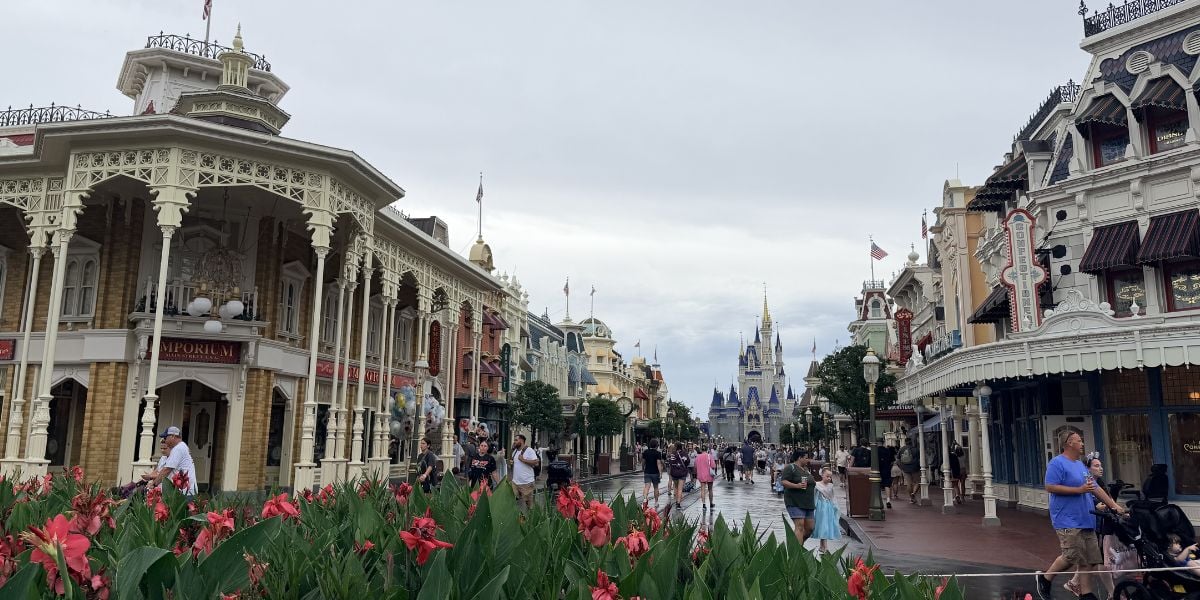
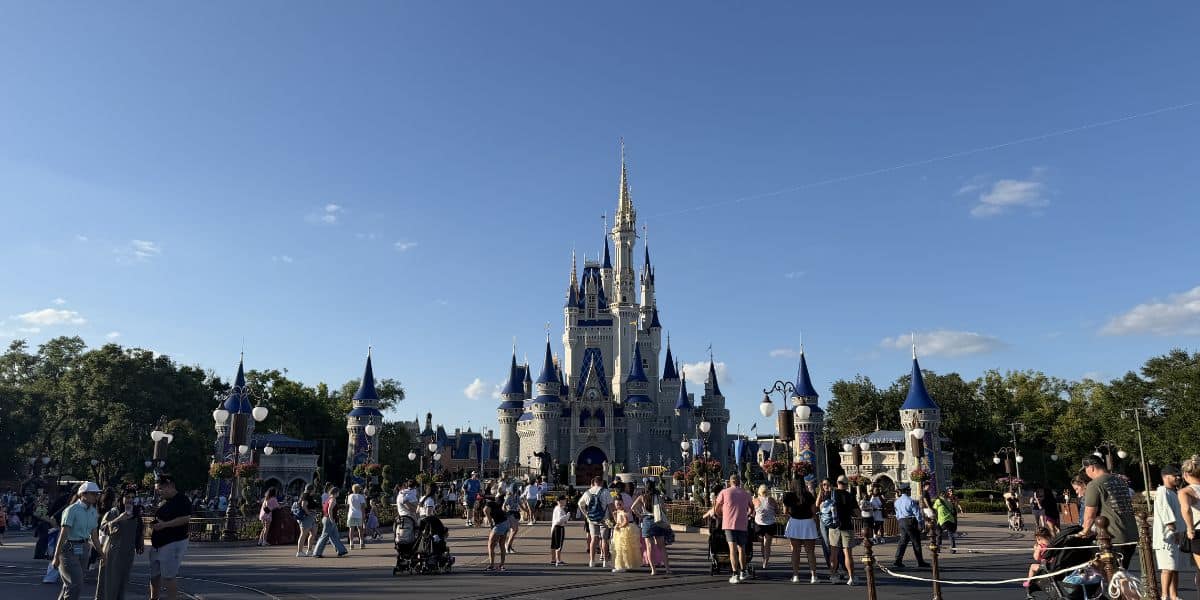
Main Street, U.S.A., is meticulously designed to provide an overwhelming sensory experience at Disney World that captivates visitors of all ages. As guests stroll along this iconic pathway, they are greeted by the majestic sight of Cinderella Castle, which towers proudly at the end of the street, serving as a breathtaking focal point.
The enchanting aroma of freshly baked confections wafts from the charming bakery, enticing passersby to indulge. The sound of horse-drawn trolleys clattering over the cobblestone adds a nostalgic charm that echoes through the air, while thousands of animated guests stretch their necks in every direction, taking in the vibrant sights and sounds that surround them.
This bustling thoroughfare has become one of the most photographed areas at Disney World, where visitors often forget to look down, focused instead on the magic unfolding around them.
However, this seemingly whimsical detail was at the heart of a significant legal dispute that has quietly unfolded over the past few months, casting a shadow over the park’s commitment to guest safety and personal responsibility. The lawsuit arose when a guest tripped over the noticeable trolley tracks that have adorned Main Street, U.S.A. since the park’s opening in 1971.
Questions regarding the potential hazards posed by these tracks and whether Disney could be compelled to alter such a beloved aspect of the park’s design loomed large. Yet, after much deliberation, the guest who initiated the lawsuit against Walt Disney Parks and Resorts has now officially withdrawn her legal claim.
This decision effectively closes the case without ever reaching a jury, allowing the famous trolley tracks to remain intact and continue to be an integral part of the Main Street, U.S.A. experience that has delighted millions since its inception.
How the Disney World Lawsuit Started
The case traces back to October 24, 2025. According to the lawsuit, filed that December in Florida Circuit Court in Orange County by Kentucky resident Rhonda Smith, the guest was walking near the hub by Cinderella Castle around 5 p.m. when her foot caught on the embedded steel rails and flangeways of the trolley track.
The complaint alleged the fall caused serious and permanent injuries, medical expenses exceeding $20,000, lost wages and diminished earning capacity, and ongoing physical and mental pain. Smith accused Disney of negligence, arguing the company failed to maintain a reasonably safe environment and failed to warn guests about the tracks.
Her filing claimed that the embedded rails created hazardous gaps and elevation changes in the walkway and that Disney should have provided warnings, guardrails, cones, or stanchions, particularly during high-traffic moments such as parades and nighttime crowds. She sought damages exceeding $50,000 and requested a jury trial.

Disney’s Defense: Open and Obvious
Disney’s legal team answered in January 2026 with a firm defense that denied all liability and put responsibility back on the guest. The core of the argument: the trolley tracks are an open and obvious feature of Main Street, U.S.A., plainly visible to anyone walking the street, and a design that has existed safely in Disney parks for decades.
Disney’s attorneys argued that the guest owed a duty to use reasonable care for her own safety, that she breached that duty by failing to pay adequate attention to her surroundings, and that because the tracks are clearly visible, Disney had no obligation to add extra warning signs, cones, or barriers. The company also suggested her alleged injuries may have stemmed from other medical conditions rather than the fall, a common strategy in personal injury defense that signaled Disney intended to challenge the claims aggressively.
The filing leaned on Florida’s modified comparative negligence rule as well. Under that law, a plaintiff found more than 50 percent at fault for their own injury is barred from recovering any damages, and Disney argued Smith carried the majority of the fault. Like the plaintiff, Disney demanded a jury trial, and the case appeared headed for a courtroom showdown in late 2027.
A Permanent End Before Trial
Instead, the case ended with paperwork rather than a verdict. Court records show the plaintiff filed a Notice of Voluntary Dismissal with Prejudice, permanently dropping the lawsuit.
The phrase with prejudice is the key detail. It means the dismissal is final and the plaintiff is legally barred from ever refiling the same claim. For Disney, that amounts to a clean win: no trial, no settlement disclosed in the record, no damages, and no lingering legal cloud over one of the park’s signature streets. No reason for the dismissal was given in the filing, and voluntary dismissals of this kind end a case without any court ruling on who was actually at fault.
Why This Disney World Case Mattered More Than $50,000
The stakes always ran deeper than the damages figure. The trolley tracks are not decoration. They sell the illusion of an early 1900s American town and have anchored Main Street’s atmosphere since Magic Kingdom opened. A court finding that the tracks were unreasonably dangerous could have pressured Disney toward redesigns, warnings, or removal, permanently altering the most recognizable entryway in theme park history and inviting a wave of similar claims from a resort that welcomes tens of millions of guests a year.
That scenario is now off the table, at least for this case. The tracks stay, the trolleys keep rolling, and the lesson for guests costs nothing: Main Street rewards looking up at the castle, but it never hurts to spare a glance for the rails underfoot.