22
22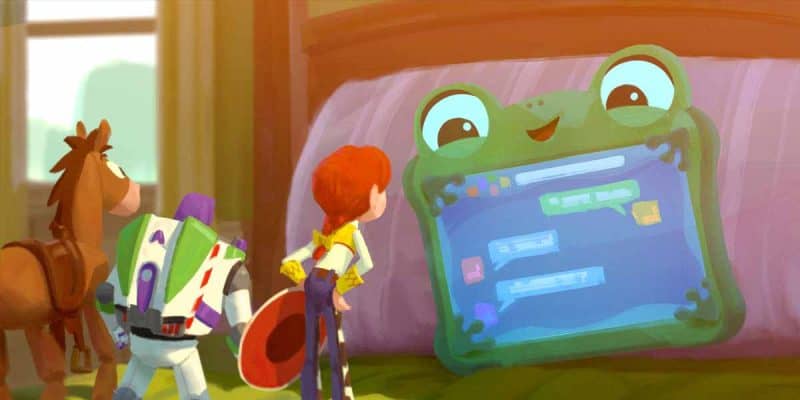
 Credit: Pixar
Pixar is making some surprisingly bold moves with Toy Story 5 (2026), and honestly, it feels like the studio knows exactly how important this movie is.
After a difficult stretch that included uneven box office performances, Disney and Pixar are clearly hoping this latest chapter can bring the franchise roaring back in a major way. That pressure is probably why the new film seems far more ambitious than many fans expected when Disney first announced another sequel. Instead of simply reuniting Woody and Buzz for another nostalgic adventure, Pixar is reshaping the emotional core of the franchise itself.
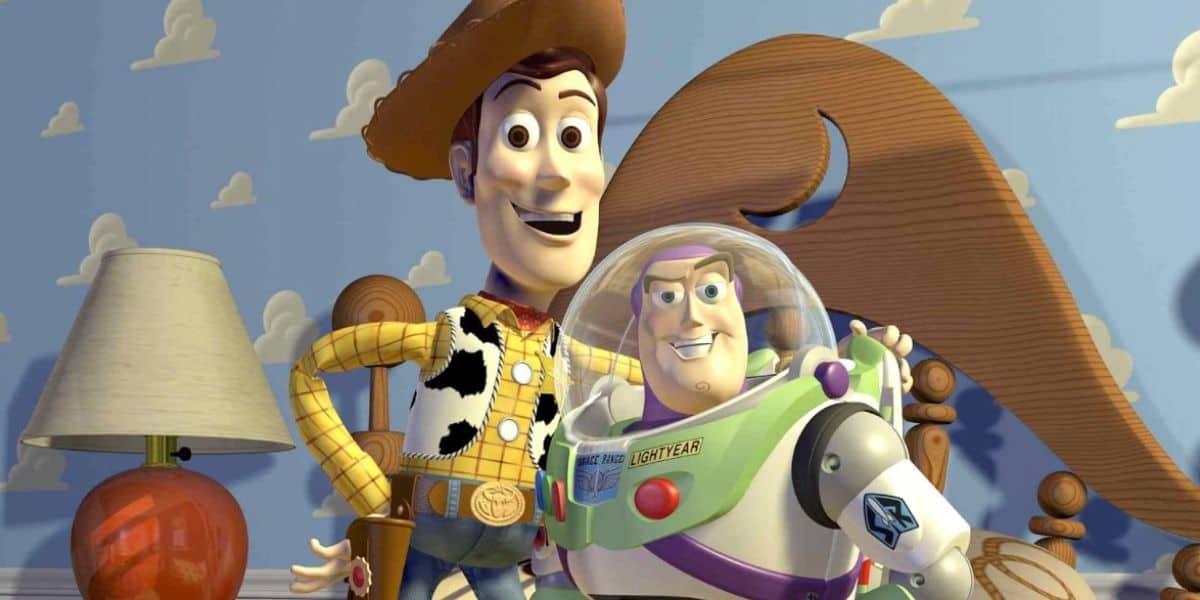
And now, just weeks before the film officially arrives in theaters on June 19, filmmakers are revealing major story changes, character overhauls, and deeper themes that could completely redefine what audiences think a Toy Story movie can be.
Woody Looks Completely Different This Time
The biggest surprise may be Woody himself.
When Pixar first previewed footage from the movie, many fans immediately noticed that Tom Hanks’ cowboy looked older. Not just emotionally older. Physically older.
Woody now has a visible bald spot beneath his hat, wears a red poncho, and even appears slightly heavier than before. It is one of the most dramatic design updates Pixar has ever made to one of its iconic characters.
Director Andrew Stanton explained that the aging reflects Woody’s new life after Toy Story 4 (2019). Instead of dedicating himself entirely to one child, Woody has been living more freely.
“He has a new purpose of not being devoted to one kid,” Stanton said. “He’s out in the field and not worrying.”
The filmmakers also confirmed the bald spot was intentionally symbolic.
“The bald spot symbolizes that he’s just worn out from not trying to take care of himself so much anymore,” Stanton explained.
That is a huge tonal shift for Pixar. Woody has always been presented as the dependable leader who kept himself together no matter what happened. Now, the studio appears ready to explore aging, exhaustion, and identity in a much more direct way.
The final trailer for Toy Story 5 has officially landed! 🤠🚀
Woody, Buzz, and the gang are facing their ultimate modern nightmare: the screen time takeover. In theaters June 19!📱
Are you ready for one more ride with the gang? 👇pic.twitter.com/T7CEhlc6WV
— Movieweb (@movieweb) May 26, 2026
It also feels like Pixar is leaning harder into emotional realism again after some recent films struggled to connect with broader audiences.
Pixar Is Tackling Technology Head-On
Another major change involves the movie’s central conflict.
For years, Toy Story focused on toys competing for attention against other toys. This time, the threat is technology itself.
The film introduces a new character named Lilypad, voiced by Greta Lee. Bonnie and her friends are now glued to tablets, online games, and group chats instead of spending hours playing with physical toys.
At first glance, Lilypad sounds like a traditional Pixar villain.
But the filmmakers insist she is not.
“She is to the toys because they’re understandably intimidated,” Stanton told Variety. “She’s just the next phase in Bonnie’s life.”
That nuance appears to be extremely important to the creative team.
Co-director McKenna Harris revealed that Pixar internally debated making Lilypad a true antagonist, but ultimately decided that would feel dishonest.
“We’re not getting rid of these devices, no matter how hard we try,” Harris explained. “I’m always going to have my phone. I’m probably going to be partially addicted to it.”
That honesty may end up being one of the film’s biggest strengths.
Instead of creating a simple “technology bad” message, Pixar seems more interested in exploring how childhood itself has changed. That makes Toy Story 5 feel much more modern than previous installments, especially as Disney tries to reconnect with younger audiences who grew up with screens everywhere.
Jessie Finally Steps Into the Spotlight
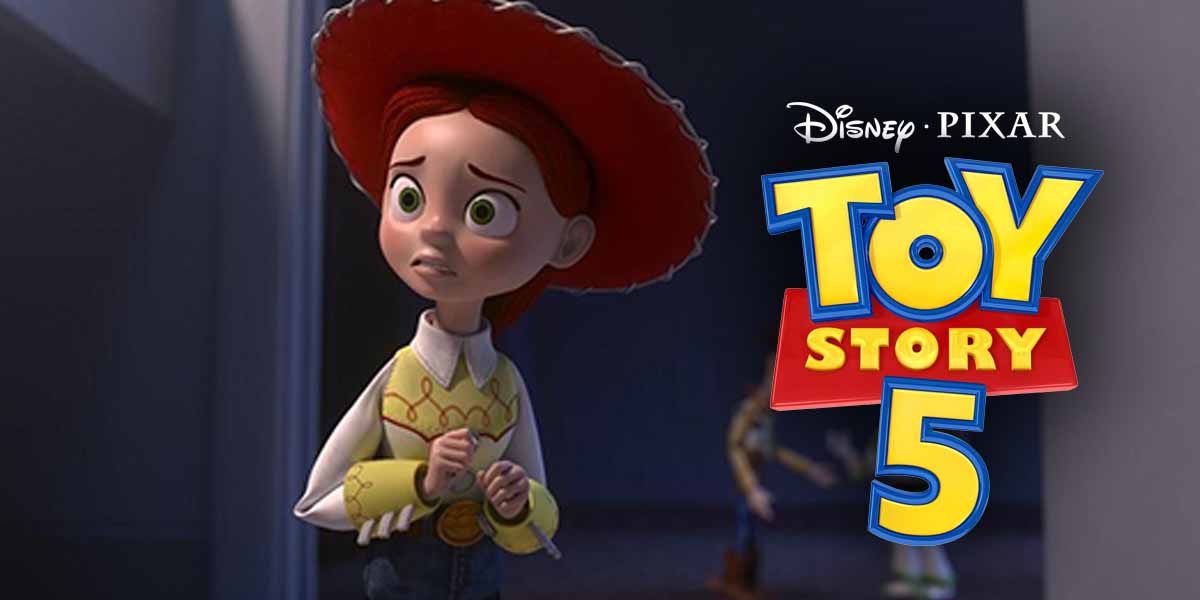
Another major change is the increased focus on Jessie.
For years, many fans felt Jessie deserved a larger role after her heartbreaking backstory in Toy Story 2 (1999). Pixar now appears ready to fully center her story.
According to the filmmakers, Jessie becomes the emotional anchor of the movie. She returns to her former home, only to discover that Emily no longer lives there. Instead, a new child named Blaze has moved into the house.
That setup immediately brings Jessie face-to-face with the abandonment trauma that defined her character decades ago.
Stanton admitted Jessie’s story became one of the driving forces behind the sequel.
“She had earned the right to run that room,” he said.
Pixar clearly understands how beloved Jessie has become among longtime fans, and giving her a larger leadership role may help the franchise feel fresher after four previous movies heavily centered on Woody and Buzz.
Disney Wants Bigger Visuals and Bigger Emotion
Pixar is also pushing its animation technology further than ever.
The movie reportedly features sequences involving 50 Buzz Lightyear toys emerging from a lake in a scene inspired by Apocalypse Now (1979).
That alone sounds far darker and more cinematic than the franchise’s traditional style.
The studio also developed entirely new hair animation systems for Blaze, allowing Pixar to create more realistic curls and textured hairstyles moving forward.
VFX supervisor Thomas Jordan explained that the technology allows curls to bounce naturally and interact with clothing and movement in ways previous Pixar films could not accomplish.
That advancement may seem small on paper, but it represents another sign that Disney wants Toy Story 5 to feel like a major event film rather than a safe nostalgia sequel.
Pixar Is Also Defending Human Creativity
One especially interesting moment from the preview involved Pixar directly addressing artificial intelligence.
At a time when AI conversations are dominating Hollywood, Stanton made it clear that the movie was created by artists, not generated by machines.
“I have no interest in doing anything but working smarter, faster with another artist,” Stanton said.
Harris echoed that idea, saying the team “had to figure it out ourselves” throughout production.
That message may resonate strongly with audiences who still associate Pixar with handcrafted storytelling and emotional authenticity.
Can Pixar Finally Win Back Audiences?
That is the massive question hanging over this release.
Pixar is no longer operating from the untouchable position it once had during the 2000s and early 2010s. Several recent films struggled theatrically, while others debuted directly on streaming during the Disney+ era.
But Toy Story remains Pixar’s safest and strongest brand.
The difference this time is that Disney does not appear content with simply repeating old formulas. Aging Woody, technology-driven conflicts, emotionally scarred Jessie, darker visuals, and more mature themes all suggest Pixar is trying to evolve alongside its audience instead of endlessly recycling nostalgia.
That could be exactly what the studio needs right now.
Because if Toy Story 5 succeeds, it will not just be another hit sequel. It may become the film that proves Pixar still knows how to create stories that genuinely matter to audiences of all ages.