4
4
 Credit: Disney
For decades, a vibrant “shadow economy” thrived on the fringes of the Walt Disney World and Disneyland resorts. This ecosystem was populated by former Cast Members, local entrepreneurs, and “magic makers” who offered everything from in-room princess makeovers and professional vacation photography to custom-baked cakes and private chef experiences. To many families, these third-party vendors were the secret sauce that made a Disney vacation affordable or uniquely special when official services were fully booked.

However, in March 2026, the “Berm”—the physical and metaphorical boundary of Disney property—has become a fortress. According to a bombshell report by The Washington Post on March 17, 2026, The Walt Disney Company has launched its most comprehensive and aggressive crackdown on unauthorized third-party vendors in its 55-year history.
This is no longer just a policy of “looking the other way.” Disney is now issuing cease-and-desist letters and permanent trespass warnings to anyone conducting business on their soil—and, in a startling move, they are even reaching beyond their property lines to scrub the internet of independent “Disney-adjacent” branding.
“I’ve Had Mothers Crying”: The Human Cost of the Crackdown
The most heartbreaking aspect of the 2026 crackdown is its impact on small business owners, many of whom are former Disney employees who turned to entrepreneurship after being furloughed during the pandemic.

Sheila Campion, owner of As You Wish Magical Experiences, is one such vendor. After leaving her role at the Bibbidi Bobbidi Boutique during the COVID-19 shutdown, she launched an independent service providing princess makeovers in guests’ hotel rooms. For years, she filled the gap for families who couldn’t secure a coveted park reservation.
After receiving a registered cease-and-desist letter in mid-February, Campion was forced to call families and cancel their dreams. “The worst part of it was for the little ones that had no options,” she told The Washington Post. “They knew they couldn’t get into the boutique. I’ve had mothers crying when I called them.”
Similarly, Natalie Szolomayer, a professional photographer who specialized in capturing family milestones at Disney resorts, shared her heartbreak online. “To say I’m heartbroken is an understatement. I’m utterly DEVASTATED,” she wrote. For vendors like Szolomayer, who had even received verbal permission from individual resort managers in the past, the sudden “hard line” from corporate legal has been a professional death blow.
Financial Freefall: Refunds and Pivots
The crackdown isn’t just an emotional hurdle; it is a financial catastrophe for local “cottage” industries. Ashlee Santmyers, a former Disney pastry cook who launched the bakery Storybook Delights, found herself in a nightmare scenario when Disney’s legal team came knocking.

Santmyers, who delivered customizable breakfast boxes and cakes to resort guests, had nearly 200 orders on her books when she received her cease-and-desist. To maintain her professional integrity, she took out a small business loan just to issue refunds to her clients. “I would never be here if it weren’t for being furloughed by the richest company in the world,” she noted, highlighting the irony of Disney shutting down the very people they let go. Her business has since slowed from five orders a day to just three to five per week as she struggles to find a new customer base outside the Disney bubble.
For private chef Caleb Wiley, the impact was equally swift. Wiley told The Washington Post that 80% of his business came from Disney guests staying in Disney Vacation Club (DVC) villas. He admitted he “didn’t believe Disney cared that much or took third-party services seriously” until a member of the security team contacted him directly. He is now being forced to pivot his business to food trucks and off-property Airbnbs.
The “Off-Property” Offensive: Trademark and Digital Erasure
What makes the 2026 crackdown unique is Disney’s attempt to control what happens outside the parks. The letters reviewed by The Washington Post don’t just ban physical presence on property; they instruct vendors to remove any advertising referencing Disney from their websites and social media platforms.
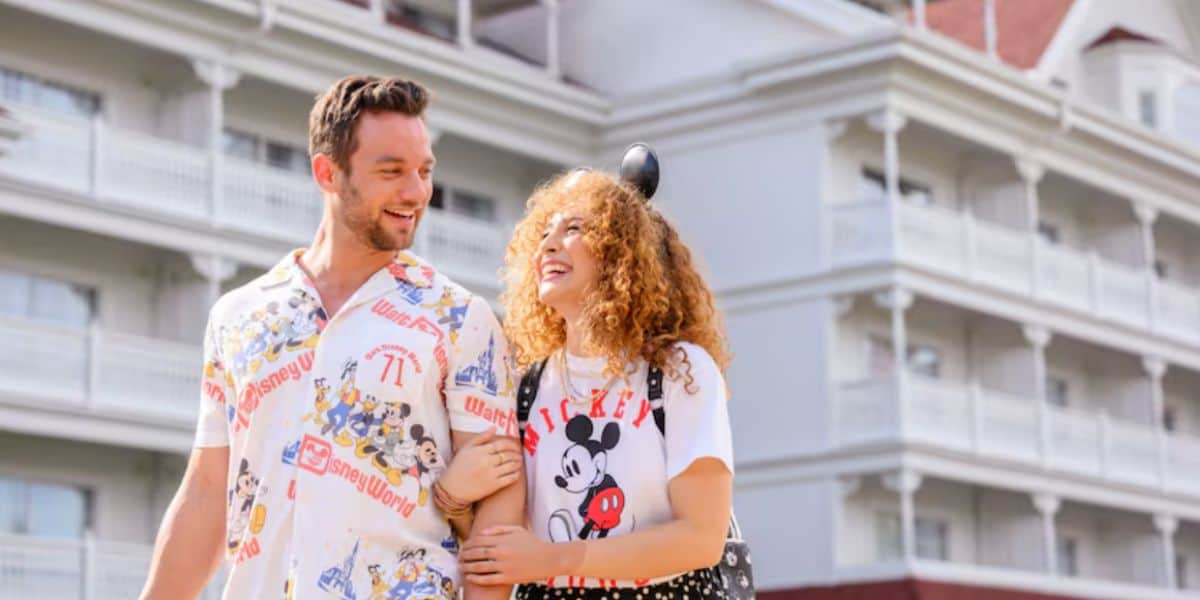
Disney is asserting that using the word “Disney,” “Mouse,” or even the specific color schemes of their characters to market a service constitutes trademark infringement. This has created a “digital geofence,” where an independent decorator in a local Orlando suburb can no longer use a photo of their work inside a Disney hotel room to promote their business on Instagram.
Disney’s official statement to The Post remains firm:
“We’ve seen an increase in unauthorized third‑party vendors at our resort hotels, and these activities can raise safety and operational concerns and impact the Guest experience, which is why they are not permitted under our long‑standing property rules.”
Why Now? The Rationale Behind the Iron Fist
Disney’s legal and security teams argue that this is a matter of Safety, Liability, and Brand Consistency.
- Safety & Vetting: Disney contends that unauthorized vendors—whether they are massage therapists or decorators—have not undergone Disney’s background checks or safety training. If a third-party cake causes food poisoning or an unvetted photographer behaves inappropriately, the guest still associates that negative experience with the Disney brand.
- Liability: By allowing third parties to conduct business onsite, Disney opens itself up to complex legal battles if an injury occurs during a “non-Disney” service provided on “Disney” property.
- Revenue Capture: As Disney continues to invest billions in projects like the new Monstropolis and a meet-and-greet-themed coaster, it is looking to capture every dollar of guests’ vacation budgets. Every family that hires a $300 private stylist isn’t spending money at an official Disney salon.
The New Reality for Disney Families
For the average guest, the 2026 vendor ban means a more “sanitized” but significantly more expensive vacation. The “Authorized Vendor” list—which includes a few select stroller and wheelchair providers—is now the only way to get third-party gear delivered to your resort. These authorized partners often pay a commission to Disney, a cost inevitably passed on to consumers.

The days of the “scrappy” side-hustle, former cast member helping you decorate your room for a birthday, are over. If you want a celebration, you must buy the official (and often limited) Disney floral and gift baskets. If you want a photoshoot, you must use Disney’s PhotoPass or their high-end Fine Art Photography service.
Conclusion: The Sun Sets on the “Extended Magic”
The March 2026 crackdown is a reminder that Disney is a private property owner first and a “magic maker” second. While the safety arguments have merit, the aggressive pursuit of small businesses—even those operating off-property on social media—has left many fans feeling that the “heart” of the Central Florida community is being squeezed out.
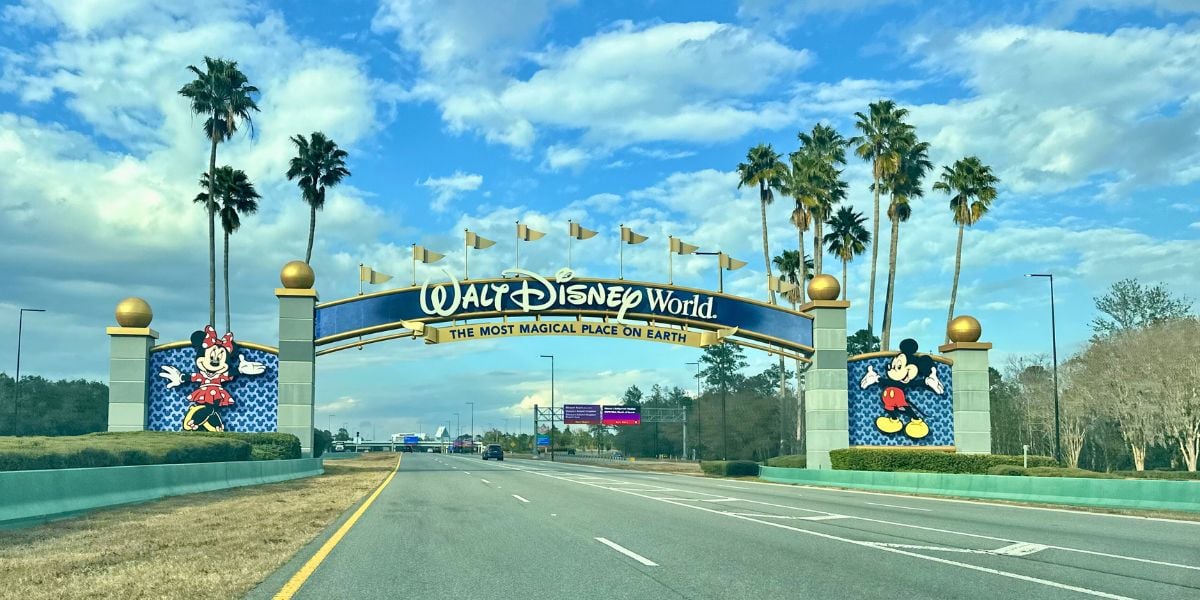
As vendors like Sheila Campion and Ashlee Santmyers attempt to rebuild their lives in the “real world,” the Disney parks are becoming a closed-loop ecosystem. The “Great Big Beautiful Tomorrow” may be more controlled than ever, but for the independent entrepreneurs who helped create that magic, the lights have officially been turned off.