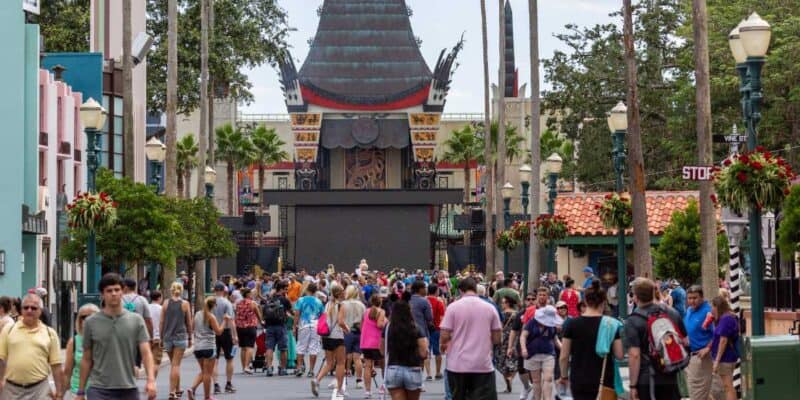
 Credit: Lee (myfrozenlife), Flickr
There was a time when planning a Disney World trip felt almost scientific.
You picked late January. You avoided spring break. You aimed for that quiet stretch between Thanksgiving and Christmas. And more often than not, it worked.
You could feel the difference when the parks were slow. Walkways were open. Wait times dropped. Dining reservations were easier to grab. You didn’t need a spreadsheet just to decide when to ride Space Mountain.
That era is gone.
Today, guests keep asking the same question: Why does Disney World feel busy all the time now? And more importantly, why do the old crowd calendars barely work anymore?
The answer isn’t one big change. It’s a stack of smaller ones that quietly rewired how people visit the parks.
The Death of the True “Off-Season”
For decades, Disney had predictable valleys. Late August. Early September. Mid-January. Early February. Those were the windows when attendance reliably dipped. But look at the calendar now.
Between runDisney races, after-hours events, school breaks, convention season, and year-round promotions, there are very few weeks left that are truly empty. Even the slowest periods now come with built-in crowd drivers.

Add in the fact that Disney now schedules more special events year-round than it once did, and the old quiet months are basically booked by design.
In other words, Disney itself filled in the off-season.
Unrestricted Demand Replaced Reservation Control
Park Pass reservations are no longer part of daily planning for most guests. Standard ticket holders can now move freely again, and even for Annual Passholders, reservations are limited and no longer control overall capacity the way they once did.
But removing reservations didn’t bring back the old crowd rhythms. It removed one of the last systems that smoothed attendance. Now demand moves without friction.
If Hollywood Studios feels hot on social media that morning, people shift there by noon.
If Magic Kingdom gets a favorable wait-time report, it spikes mid-day.
Crowds now shift within the day, not just between seasons.
That makes patterns feel even less predictable than before.
Deal-Driven Travel Rewrote the Calendar
Another major shift is how discounts now drive attendance.
In the past, promotions were tied to slow seasons. Today, Disney releases targeted offers throughout the year, often filling what would have been lighter weeks. When a strong hotel or ticket deal drops, it can instantly turn a quiet period into a packed one.

Guests aren’t traveling because it’s traditionally slow. They’re traveling because the price finally made sense.
And that makes crowd forecasting far harder than it used to be.
Lightning Lane Changed How Crowds Feel
Even when attendance isn’t extreme, Lightning Lane changes the experience.
Standby lines move slower.
Wait times spike earlier.
Popular rides reach capacity faster.

So a day that would have felt manageable ten years ago now feels overwhelming by lunchtime.
It’s not always that there are more people in the park.
It’s that fewer people are in the regular lines.
And that changes everything.
Social Media Flattened the Crowd Curve
Modern planning tools should spread crowds out.
Instead, they concentrate them. TikTok, YouTube, blogs, and crowd calendars constantly push the same advice: “This is the best week.” “This is the secret slow day.”

When everyone gets the same tip, it stops being a secret.
The days that should be quiet often become the busiest.
Vacation Patterns Themselves Have Changed
Remote work.
Flexible school schedules.
Year-round schooling.
Families no longer have to travel only during summer and major holidays.
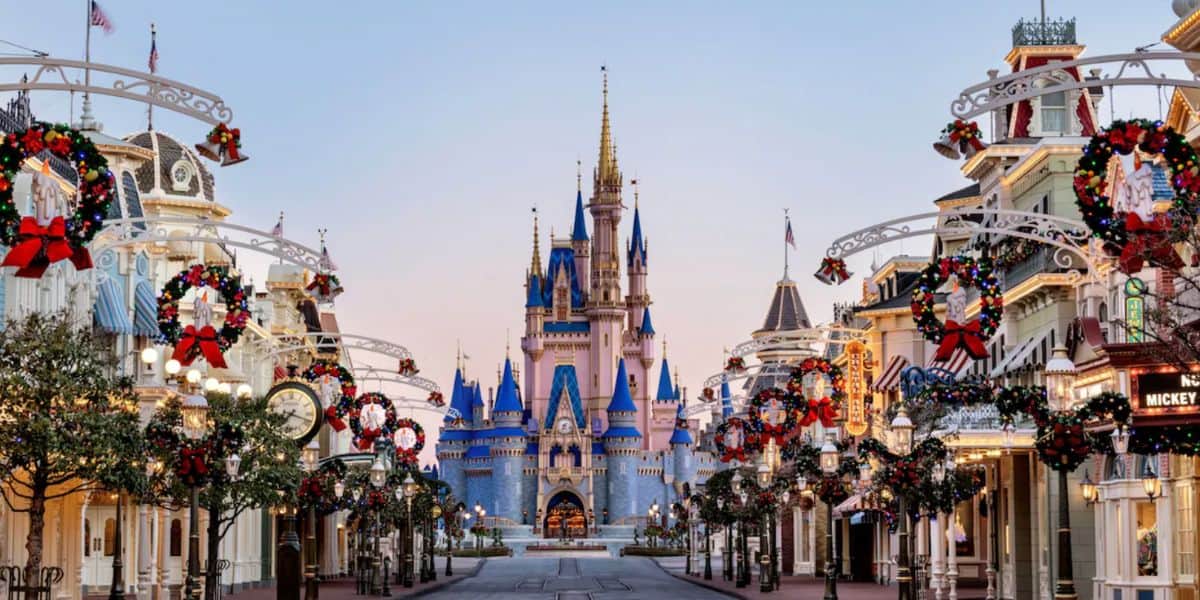
They can go in October. Or February. Or a random Tuesday in May. That spreads demand across the entire year instead of compressing it into a few predictable peaks.
Which sounds good in theory. But in practice, it erases the valleys.
Why Crowd Patterns No Longer Make Sense
Because Disney World no longer runs on a seasonal model.
It runs on:
-
Event-driven travel
-
Discount-driven travel
-
Content-driven travel
-
Algorithm-driven travel
The calendar didn’t break.
The system did.
What used to be a simple rhythm of busy and slow has turned into a constantly shifting puzzle where every week has its own crowd triggers.
That’s why:
January can feel like July.
September can feel like March.
A random Wednesday can feel like Christmas week.
The old rules still exist on paper.
They just don’t control reality anymore.
And for guests trying to plan the perfect low-crowd trip, that may be the hardest truth to accept.