21
21
 Credit: Inside the Magic
The Disney World Disability Access Service program could be seeing a complete revamp for 2026 amid controversy involving hundreds of families and guests since it made some serious changes 2024 and 2025.
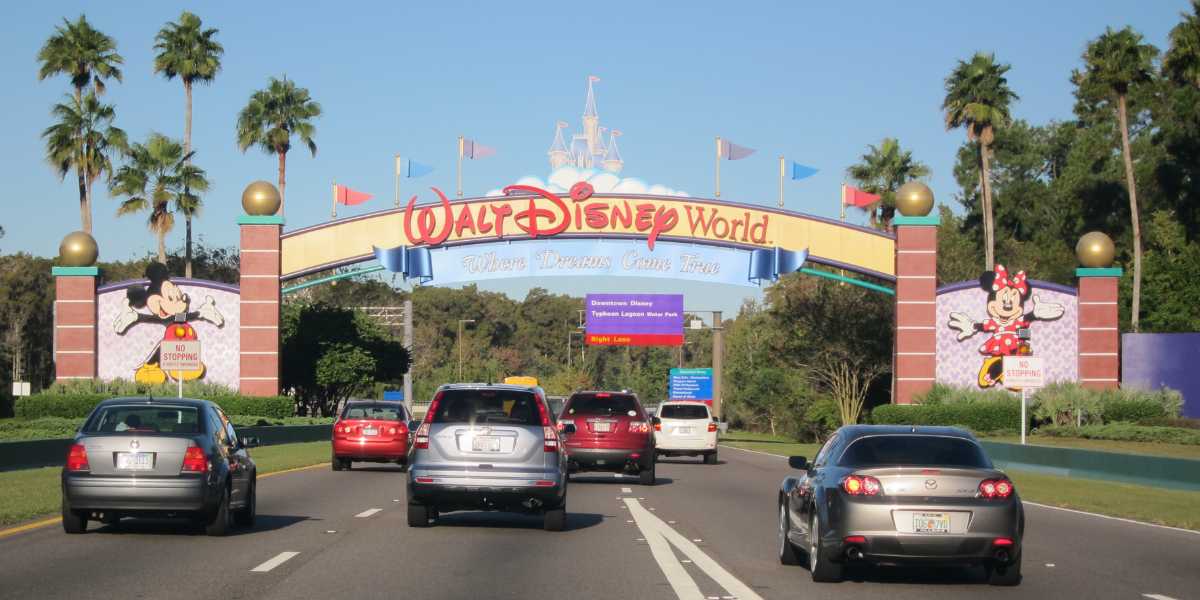
Disney Disability Access Service Program Under Heavy Scrutiny: Massive Overhaul Coming?
The magic of the Disney Parks has always rested on a promise: that everyone, regardless of age, background, or ability, can step into a world where the impossible feels possible. From Cinderella Castle at Walt Disney World to Sleeping Beauty Castle at Disneyland, guests arrive with expectations that go far beyond thrilling rides or fireworks—they come seeking belonging, wonder, and care.
For decades, Disney built a reputation as one of the most disability-inclusive theme park operators in the world. Its Disability Access Service (DAS) program, designed to help guests who cannot tolerate traditional queue lines, became a cornerstone of that legacy. Families planned vacations around it. Disabled travelers trusted it. Fans often pointed to it as proof that The Walt Disney Company didn’t just sell magic—it practiced it.
But in recent years, something shifted.

A Quiet Change That Sparked Loud Concerns
Over the last two years, whispers of dissatisfaction began to ripple through the Disney fandom. Guests started reporting denials for DAS that once would have been routine approvals. Longtime users described a more restrictive process. Social media posts hinted at confusion, frustration, and a growing sense that Disney’s accessibility promise was being quietly narrowed.
At first, many assumed it was simply part of Disney’s broader operational evolution. After all, the company has been reshaping guest flow, implementing new Lightning Lane systems, and adjusting park operations across Walt Disney World and Disneyland. Change, as fans know, is a constant in the theme park industry.
But this change felt different.

When Magic Meets Modern Park Pressures
The Walt Disney Company has been under immense pressure in recent years—rising operational costs, shifting consumer behavior, and a post-pandemic surge in park attendance that stretched infrastructure to its limits. Universal Studios and other competitors have been aggressively modernizing queue systems, pricing models, and guest access tools.
Against that backdrop, Disney’s 2024–2025 revisions to its Disability Access Service quietly took effect. The company framed them as necessary updates to curb misuse and protect system integrity. Yet critics argue that the pendulum swung too far, leaving legitimate disabled guests without meaningful alternatives.
National media outlets—including USA Today, NBC News, Business Insider, and the Los Angeles Times—soon picked up stories of families left in tears at Guest Relations. A class-action lawsuit alleging discrimination under the Americans with Disabilities Act added legal weight to the emotional fallout.
And then there were the safety concerns.

“Fans Are Heartbroken” as Tensions Boil Over
One of the most alarming flashpoints occurred at Disneyland, where a violent altercation reportedly left a guest needing stitches. According to accounts tied to the DAS controversy, tensions escalated when disabled guests—denied DAS accommodations—were told to have companions hold spots in line, a practice easily mistaken for line-cutting.
On X (formerly Twitter) and Reddit, fans reacted with a mix of outrage and heartbreak. “This isn’t the Disney I grew up loving,” one user wrote. Another added, “Accessibility shouldn’t be a budget cut.”
Threads dissecting DAS changes climbed into thousands of comments, with disabled guests sharing personal stories of missed rides, humiliating denials, and vacations that no longer felt magical. The narrative was shifting fast—from policy update to reputational crisis.

The Shocking Development Disney Didn’t Expect
Behind the scenes, the conflict reached Disney’s shareholders.
In December 2025, shareholder Erik G. Paul submitted a proposal demanding that Disney hire an independent expert to review the risks associated with its DAS changes. The request called for a comprehensive assessment of legal, financial, and reputational exposure—and a comparison against international accessibility standards and competitors.
Disney initially pushed back. In a November 4 SEC filing, the company asked to exclude the proposal from its 2026 proxy statement, arguing that it was misleading, related to ordinary business operations, and already substantially implemented.
But then everything changed.
On November 17, the SEC announced it would no longer review most company attempts to exclude shareholder proposals. That decision stripped Disney of the regulatory shield it was relying on.
And on January 19, 2026, Disney quietly reversed course.
In a formal letter filed with the SEC, Disney’s legal counsel withdrew the no-action request. The Walt Disney Company confirmed it would include the proposal in its 2026 proxy materials—meaning shareholders will now vote on whether Disney must commission an independent review of its Disability Access Service changes.
What This Means for Guests, Investors, and Disney’s Future
This reversal marks a stunning moment for Disney Parks.
While the proposal doesn’t mandate immediate operational changes or a return to older DAS policies, it forces board-level oversight of disability access risks. It also opens the door to public accountability, with a summary of findings promised to shareholders.
For guests, especially disabled travelers and families, it represents the first major acknowledgment that something went wrong. For investors, it reframes DAS as a shareholder value issue, not just a guest services concern. Disabled Americans alone represent more than 70 million adults—a massive travel demographic with significant discretionary spending power.
And for Disney, it could be the beginning of a policy reckoning.
Will the company restore trust? Will it revise DAS again? Or will it defend its current framework under mounting public scrutiny?
One thing is clear: fans are heartbroken, advocates are mobilized, and the magic of accessibility is now at the center of one of Disney’s most consequential debates in years.
What do you think Disney should do next? Should the company reverse its DAS changes—or double down on its current system? Let us know your thoughts.