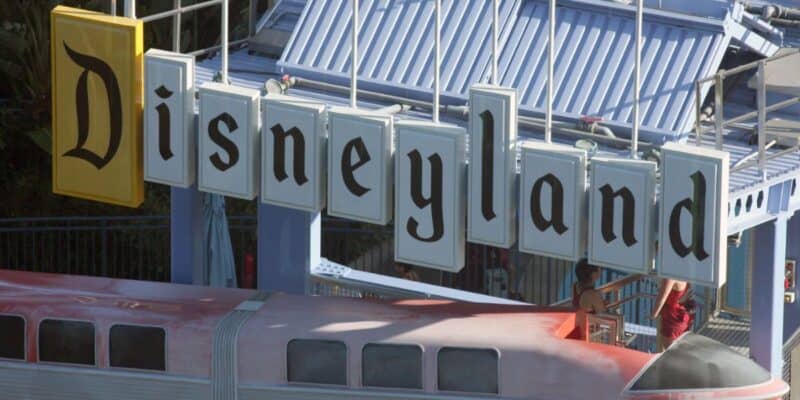
 Credit: Steven Miller, Flickr
California rang in 2026 with a package of new traffic laws designed to improve safety on highways and local streets throughout the state. The California Highway Patrol announced the changes in late December, highlighting legislation signed by Governor Gavin Newsom that took effect on January 1, 2026.
While these laws apply statewide, they carry particular significance for the millions of tourists who drive to Disneyland Resort each year, navigating unfamiliar roads in rental cars or personal vehicles. Understanding these updated regulations before you hit the road can help you avoid unexpected fines and contribute to safer conditions for everyone on California’s increasingly congested roadways.

For families planning Disneyland vacations, the drive to Anaheim often represents the first real interaction with California traffic conditions.
Whether you’re coming from Los Angeles International Airport in a rental car, driving down from Northern California for a weekend getaway, or making the trek from neighboring states like Arizona or Nevada, you’ll be subject to these new rules the moment you cross into California or pick up your keys at the rental counter.
Some of these changes are fairly straightforward, while others introduce technology and enforcement methods that visitors from other states may not be familiar with. Knowing what’s different can make the difference between a smooth drive to the Happiest Place on Earth and an expensive traffic citation that puts a damper on your vacation budget.
The timing of these law changes coincides with what’s traditionally one of the busiest periods for Disneyland visits, as families use winter breaks and long weekends to experience the parks. That means more out-of-state drivers on Southern California roads, more rental cars navigating unfamiliar routes, and more potential for traffic violations simply due to lack of awareness about California’s updated regulations.
The new laws touch on everything from school zone speed limits to highway work zones to roadside safety, creating multiple scenarios where Disneyland visitors could find themselves inadvertently breaking rules they didn’t know existed.
School Zone Speed Limits Reduced

Assembly Bill 382 gives cities and counties new authority to lower speed limits in school zones from 25 mph to 20 mph. More significantly, local governments can now set speed limits as low as 15 mph within school zones on roads that are posted at 30 mph or lower.
When approaching a school zone from 500 to 1,000 feet away, speed limits can be set at 25 mph. These changes no longer require meeting the previous roadway restrictions that limited when adjustments could be made.
A school zone is defined as any roadway within 500 feet of school grounds in any direction unless otherwise posted. The zones must be clearly marked with appropriate signage. Local governments have until January 1, 2031 to implement these changes through ordinances or resolutions. After that date, the speed limit automatically decreases from 25 mph to 20 mph in school zones when proper signage is posted.
For Disneyland visitors, this matters when you’re driving through Anaheim neighborhoods to reach the resort or navigating surface streets around the Harbor Boulevard corridor.
The area surrounding Disneyland includes residential neighborhoods with schools, and you may encounter these reduced speed zones during your drive. Pay attention to signage, especially during school hours, as these lower limits are enforced and violations can result in costly tickets.
Highway Speed Limit Reductions
Assembly Bill 1014 allows the California Department of Transportation to lower speed limits by 5 mph on certain highways, particularly in safety-sensitive areas such as safety corridors or locations with heavy pedestrian traffic. The law includes a grace period where law enforcement will issue warning citations for the first 30 days after a speed limit is reduced, giving drivers time to adjust to the change.
The legislation also permits speed limits of 20 mph or 25 mph on roads where lower speeds are necessary to protect pedestrians and other road users. This provision could affect streets near Disneyland Resort, particularly around the Downtown Disney District and areas with significant foot traffic where pedestrians cross between hotels, parking structures, and park entrances.
Visitors driving on Interstate 5, the primary freeway route to Disneyland for many travelers, should watch for any posted speed limit reductions in construction zones or high-traffic areas. The warning period helps, but after those first 30 days, citations will be issued normally.
Move Over Law Expansion

Assembly Bill 390 expands California’s “slow down and move over” law to better protect people working or stopped along roadsides. Under the updated regulation, drivers must slow down or change lanes when approaching any highway maintenance vehicle or stopped vehicle displaying flashing hazard lights or warning devices such as cones or road flares.
Drivers approaching such vehicles must move into a lane that is not adjacent to the stopped vehicle. If changing lanes isn’t possible, drivers must slow down to a safe speed. Violating this law is an infraction with fines up to $50.
This law is particularly relevant on busy Southern California freeways where you’re likely to encounter disabled vehicles, highway patrol stops, or maintenance crews. The congested nature of Los Angeles and Orange County freeways means these situations occur frequently, and the expanded law now covers more scenarios than before.
Work Zone Speed Detection Technology
Assembly Bill 289 launches a pilot program using speed detection technology in highway construction work zones. The Work Zone Speed Safety System employs fixed or mobile radar or laser technology to identify speeding vehicles and capture clear photographs of license plates. Citations will be issued to the vehicle’s registered owner.
In construction work zones, speed limits should be reduced by 10 mph from the posted limit unless an exception is granted. The base fine for a California speeding ticket starts at $35, but penalty assessments and court fees can push the total cost to nearly $500.
For rental car users visiting Disneyland, this is especially important to understand. If you’re caught speeding in a work zone, the citation will go to the rental company, which will then pass it along to you with additional processing fees. Construction is common on Southern California freeways, so maintaining appropriate speeds in work zones protects both workers and your wallet.
Stricter DUI Penalties
Assembly Bill 1087 increases penalties for drivers who cause a death while under the influence of intoxicants. Previously, impaired drivers who caused a death could face misdemeanor or felony charges resulting in probation periods of one to two years. Under the new law, DUI convictions with probation typically last three to five years.
While this hopefully won’t impact Disneyland visitors directly, it underscores California’s commitment to traffic safety and serves as a serious reminder about the consequences of impaired driving.
Many Disneyland visitors enjoy alcoholic beverages at the resort’s restaurants and bars, particularly at Downtown Disney and Disney California Adventure. Always arrange for designated drivers, use ride-sharing services, or rely on the Disneyland Resort transportation options if you’ve been drinking.
Planning Your Disneyland Drive
These new laws add another layer of consideration to your Disneyland trip planning. Before you drive to the resort, familiarize yourself with these regulations, particularly if you’re coming from out of state where some of these rules may not exist.
Pay extra attention to posted speed limits, especially in school zones and construction areas. Give stopped vehicles and emergency personnel plenty of space. And most importantly, never drive impaired.
If you’re renting a car for your Disneyland visit, take a few minutes to review these laws before leaving the rental facility. Having this knowledge upfront can save you from expensive citations and help ensure your California visit focuses on Disney magic rather than traffic violations.
Have you driven to Disneyland recently and noticed any of these new traffic enforcement measures in action? Drop a comment below and let us know what the drive was like and if you encountered any of these situations on your way to the parks. Your experience could help other families planning their Disneyland road trips!