28
28
 Credit: Warner Bros.
Netflix is officially bidding farewell to the Harry Potter franchise.

The Harry Potter film franchise is a landmark series in modern cinema, adapting J.K. Rowling’s seven bestselling novels into eight films released between 2001 and 2011 by Warner Bros. Pictures. Starring Daniel Radcliffe as Harry Potter alongside Emma Watson (Hermione Granger) and Rupert Grint (Ron Weasley), the films follow the young wizard’s journey from his discovery of magic to his final confrontation with the dark wizard Lord Voldemort (Ralph Fiennes).
Directed by multiple filmmakers—including Chris Columbus, Alfonso Cuarón, Mike Newell, and David Yates—the franchise matured in tone as it progressed, growing darker and more complex in parallel with its characters while maintaining a richly detailed magical world centered on Hogwarts School of Witchcraft and Wizardry.
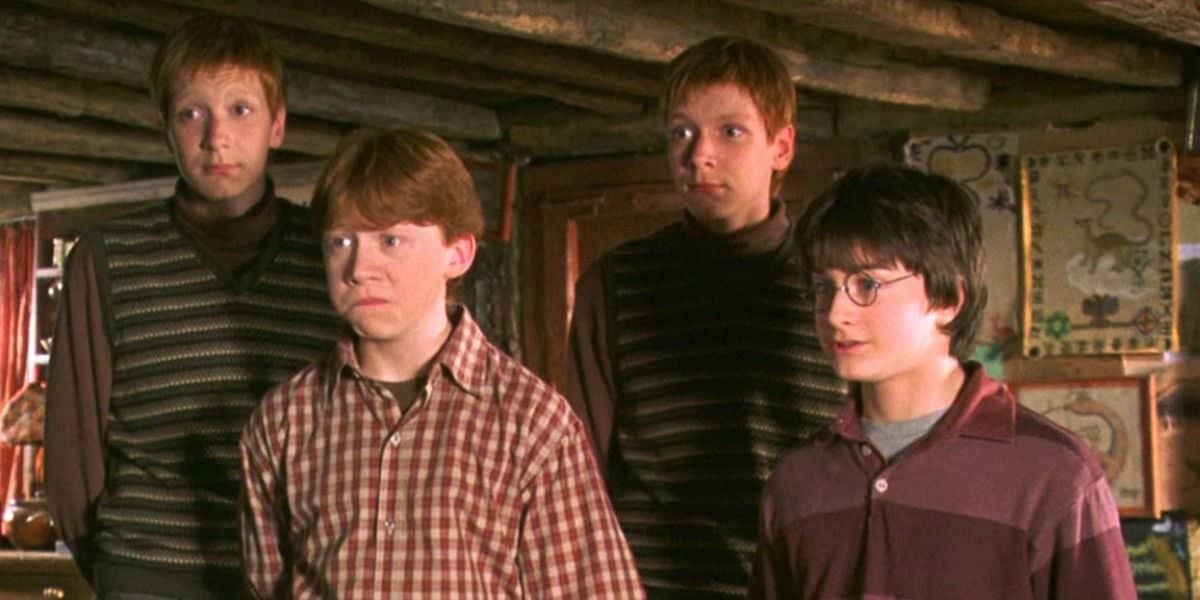
Commercially and culturally, the franchise was a massive success, grossing over $7.7 billion worldwide and becoming one of the highest-grossing film series of all time. Beyond box office performance, the films helped define a generation of moviegoers and launched enduring careers for much of its cast, while also setting a new standard for long-form storytelling in blockbuster cinema. Its legacy continued through the Fantastic Beasts spin-off films, stage productions like Harry Potter and the Cursed Child, and global theme park attractions, ensuring the Wizarding World remains a dominant force in popular culture decades after the first film’s release.
However, in the ever-shifting landscape of Hollywood megadeals, recent developments surrounding Netflix’s acquisition of Warner Bros. have added a new layer of intrigue to the future of the Harry Potter reboot and the wider Wizarding World.

Netflix Buys Warner Bros. Discovery
After weeks of uncertainty, Netflix has moved to reassure fans and investors that it has no intention of sidelining Warner Bros.’ most valuable franchises, instead signaling that brands like Harry Potter will sit at the center of its long-term content strategy. That message has been reinforced through recent corporate communications and promotional materials that position the Wizarding World alongside Netflix’s most recognizable global properties, such as Stranger Things, suggesting continuity rather than disruption.
The $82.7 billion deal itself, which would see Netflix absorb Warner Bros.’ film and television studios, as well as HBO, following the planned separation of Warner Bros. Discovery’s linear networks business in 2026, represents one of the largest media mergers in history and remains subject to regulatory approval in multiple territories. Netflix has publicly committed to preserving theatrical releases and existing production pipelines, a pledge that carries particular weight as the Harry Potter television reboot continues filming with a newly cast trio and a projected debut in early 2027.

While industry analysts and regulators continue to debate the long-term implications of such consolidation, Netflix’s current stance suggests expansion rather than retrenchment, raising the possibility that the Wizarding World could ultimately see greater investment, a broader global reach, and new spin-off opportunities once the merger’s impact is fully understood.
Netflix Cuts Harry Potter From Streaming Service
While the Harry Potter movie franchise can be found on a rotating basis across streamers like HBO Max and Peacock in the United States, overseas in the United Kingdom, the popular films are currently held on Netflix. However, in just under a week, on December 31, Netflix viewers will get their final chance to watch before the entire series is removed.
This is standard practice for non-original content, with various licensing deals in place to ensure the market is fair and that popular Intellectual Properties (IP), such as Harry Potter, can reach as many audiences as possible worldwide.

HBO’s Harry Potter Series Finds Its Cast and Searches for More
HBO’s upcoming Harry Potter television series, slated to debut in 2027, is continuing to generate intense speculation as production quietly moves forward on what the studio has described as a decade-long, book-faithful adaptation of J.K. Rowling’s seven novels. While the series has already revealed several key casting announcements–including Dominic McLaughlin as Harry Potter, Arabella Stanton as Hermione Granger, Alastair Stout as Ron Weasley, and John Lithgow stepping into the role of Albus Dumbledore–one of the franchise’s most iconic characters remains officially uncast: Lord Voldemort.
According to a recent rumor attributed to industry insider Daniel Richtman, HBO may be taking an unexpected approach to the Dark Lord’s casting. The report claims that the studio has been auditioning both male and female performers for the role of Voldemort, suggesting the possibility that the infamous villain–born Tom Marvolo Riddle–could be portrayed by a woman in the new series.
If true, it would mark a significant departure from the Harry Potter film franchise, where Voldemort was memorably portrayed by Ralph Fiennes beginning with Harry Potter and the Goblet of Fire (2005) and continuing through Deathly Hallows–Part 2 (2011), with earlier incarnations of Tom Riddle played by actors such as Christian Coulson and Hero Fiennes Tiffin.
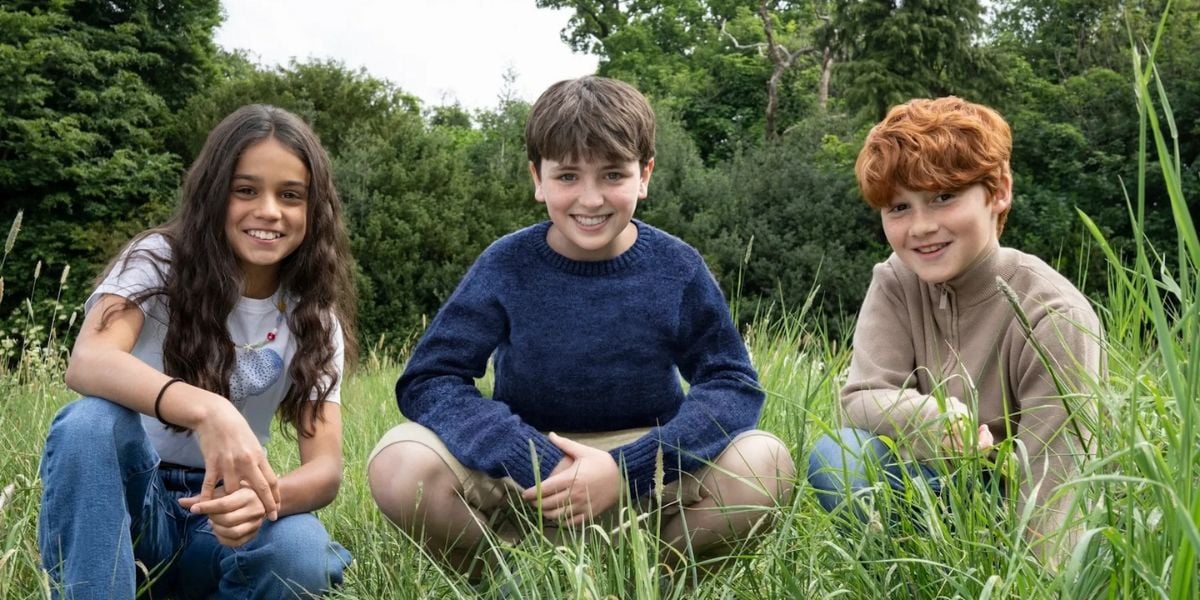
As with many casting rumors surrounding the HBO series, no official confirmation has been issued by Warner Bros. Discovery or the creative team behind the show. Still, the speculation has spread rapidly online, with fans debating what a gender-swapped Voldemort could mean for the story, tone, and visual identity of the series.
Some have pointed out that Voldemort’s early appearances in Harry Potter and the Sorcerer’s Stone largely consist of voice work and fleeting physical manifestations–including his infamous presence on the back of Professor Quirrell’s head, portrayed in the film by Ian Hart–potentially making the character more flexible in terms of casting during the show’s early seasons.
The HBO series has been positioned as a more expansive retelling of the wizarding saga, allowing for deeper exploration of characters, subplots, and lore that were necessarily condensed or omitted in the eight-film movie series released between 2001 and 2011. Voldemort’s gradual rise, his time at Hogwarts, and his transformation from a gifted student into the most feared dark wizard of all time are expected to play a prominent role over multiple seasons, making his casting one of the most closely watched decisions of the entire project.

For now, the idea of a female Voldemort remains firmly in rumor territory, but it underscores how HBO appears willing to re-examine even the most established elements of the Harry Potter mythos as it attempts to reintroduce the Wizarding World to a new generation.
How do you feel about all the changes to the Harry Potter franchise? Let Inside the Magic know in the comments down below!