Credit: Erica Lauren, Inside the Magic
A sudden operational emergency disrupted the afternoon crowds at Walt Disney World’s Magic Kingdom on Friday, July 3, 2026, when several high-traffic retail and dining venues in Tomorrowland were abruptly evacuated. Emergency personnel were called to the scene, resulting in the immediate closure of a massive commercial sector on the north side of the futuristic themed land.
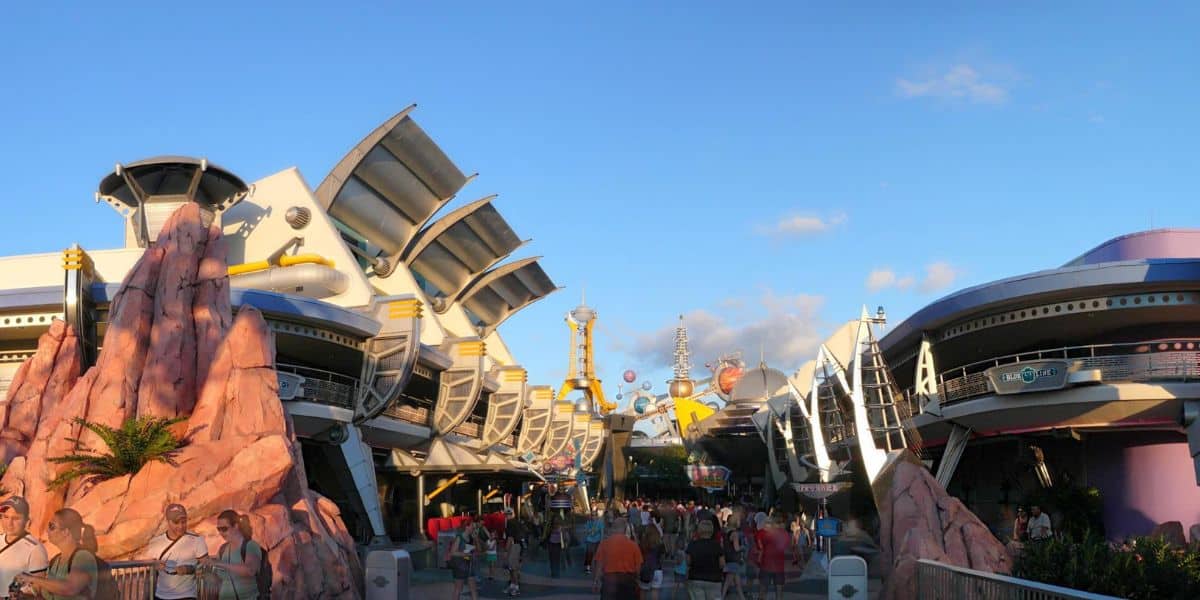
The unexpected incident drew immediate attention from theme park visitors and industry analysts, arriving during one of the absolute busiest travel weeks of the year. Furthermore, the emergency response comes just 48 hours after a highly publicized fire and evacuation forced the temporary shutdown of Fantasyland’s iconic “it’s a small world” attraction on July 1.
While theme park safety teams worked quickly to isolate the issue in Tomorrowland, the consecutive disruptions at the park have placed a spotlight on the resort’s rapid-response safety protocols.
Details of the Tomorrowland Evacuation
The incident unfolded during the early afternoon hours of July 3, a peak period for dining and shopping, as guests sought air-conditioned environments to escape the intense summer heat. According to onsite reports, park operations personnel initiated emergency protocols across three interconnected Tomorrowland venues:
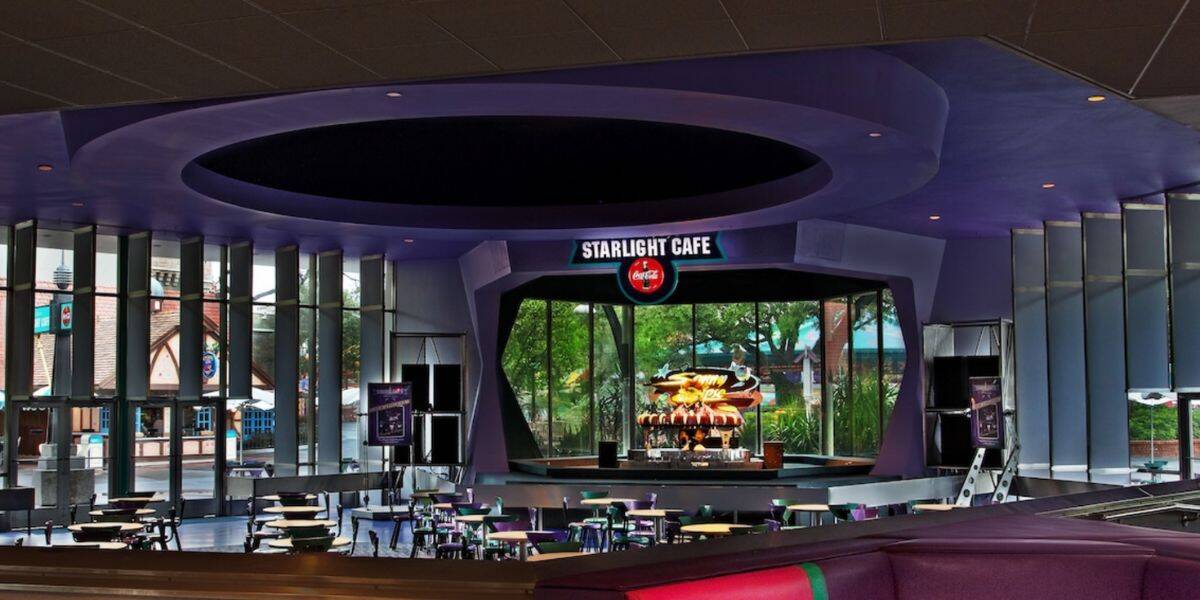
- Cosmic Ray’s Starlight Café: One of the largest and highest-volume quick-service dining locations in the entire Walt Disney World Resort property.
- Star Traders: A flagship merchandise and souvenir shop located directly adjacent to the dining complex.
- Aunty Gravity’s Galactic Goodies: A popular snack and soft-serve ice cream location sharing the same structural block.
Disney Cast Members instructed guests inside these venues to drop their purchases and exit the buildings immediately. Eyewitness accounts shared on social media platforms like X (formerly Twitter) indicated that audible fire alarms began blaring inside Cosmic Ray’s Starlight Café, sending hundreds of diners streaming out into the central walkways of Tomorrowland. Within minutes, management teams moved to block the entrances to all three facilities completely, turning away incoming visitors.
Timeline of the Fire Department Response
The mobilization of emergency services was swift. According to public incident logs tracked by emergency monitoring networks, including WDWActiveCrime, an official fire department call was dispatched for the Magic Kingdom and Disney’s Contemporary Resort sector at approximately 1:30 p.m.
First responders from the District Fire Department—operating under the Central Florida Tourism Oversight District (CFTOD)—arrived via the park’s backstage access roads shortly after the dispatch. Multiple emergency vehicles were positioned behind the Tomorrowland perimeter as crews entered the evacuated buildings to investigate the cause of the alarms.
At the time of reporting, theme park officials and emergency services have not issued any formal statements on the root cause of the evacuation or the exact nature of the hazard that triggered the fire alarms. In keeping with objective reporting standards, no official determination has been made public, and speculation regarding electrical, kitchen, or environmental causes remains unverified while safety inspectors complete their diagnostics.
Impact on Tomorrowland Attractions and Rides
While the retail and dining infrastructure was completely locked down, the structural layout of Tomorrowland’s ride networks allowed the park to minimize broader operational fallout. According to real-time data displayed on the My Disney Experience mobile application, all primary attractions in the immediate area remained fully operational throughout the incident.
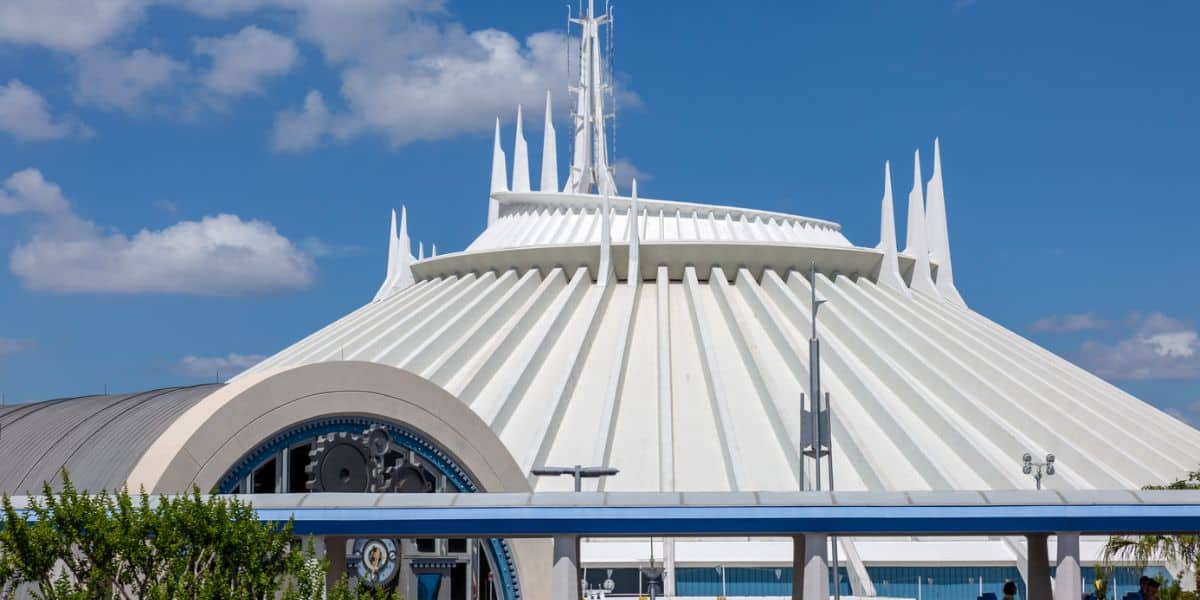
Major neighboring rides, including Space Mountain, the Tomorrowland Transit Authority PeopleMover, and Buzz Lightyear’s Space Ranger Spin, continued to cycle passengers and maintain normal standby queues. This operational separation is a direct result of the modern compartmentalization architecture built into Walt Disney World’s structural grids.
The park is designed to isolate emergency alarm zones so that a localized evacuation in a dining hall does not necessitate a complete closure of neighboring roller coasters or transit systems, ensuring maximum guest capacity can be safely maintained elsewhere.
Two Incidents in Three Days: The Connection to ‘it’s a small world’
The emergency response in Tomorrowland has generated heightened public interest due to its proximity to another high-profile fire safety incident inside the same park. Just two days prior, on Wednesday, July 1, 2026, the Magic Kingdom faced a separate evacuation scenario when a fire broke out inside an enclosed showroom of Fantasyland’s historic “it’s a small world” boat ride.
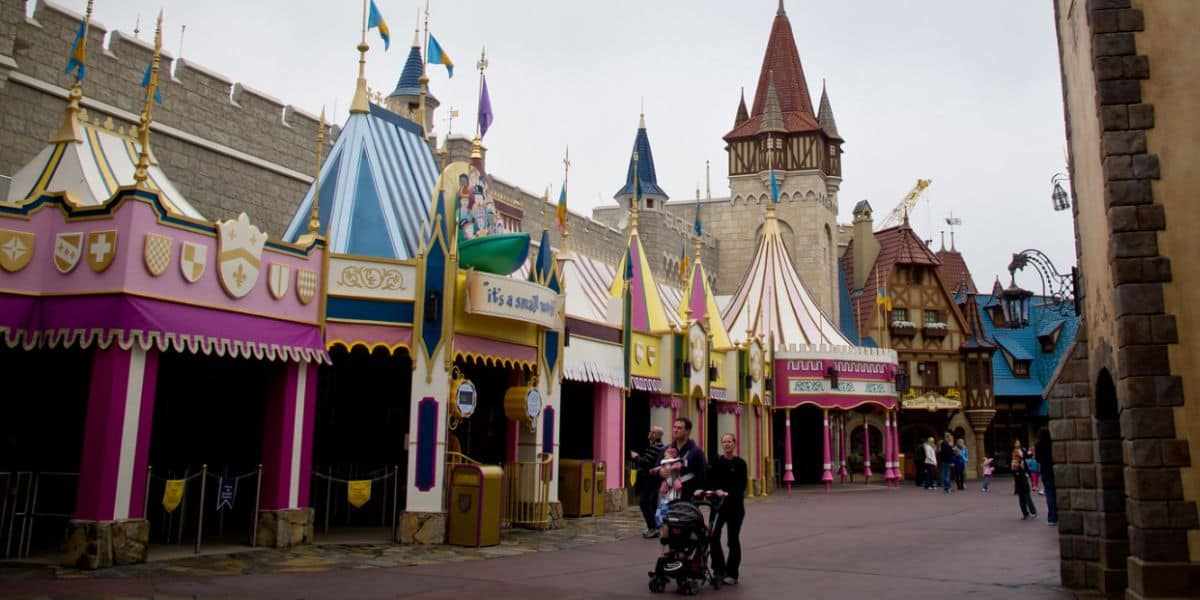
In the July 1 incident, the fire was ultimately traced to a guest’s personal electronic item—specifically, a portable lithium-ion phone charger that suffered an internal short circuit and experienced thermal runaway while inside a tote bag on the floor of a ride vehicle. Quick-thinking Cast Members doused the flames with portable fire extinguishers, and the attraction was successfully reopened to the public by mid-afternoon following air-quality clearance.
While the “it’s a small world” fire was entirely localized to consumer electronics rather than a failure of Disney’s internal systems, the occurrence of back-to-back emergency evacuations within a 48-hour window is a rare logistical anomaly for the flagship theme park.
The Logistical Strain on Peak Fourth of July Crowds
The closure of Cosmic Ray’s Starlight Café, Star Traders, and Aunty Gravity’s Galactic Goodies represents a notable logistical headache for Magic Kingdom operations teams, particularly given the timing. July 3 serves as the official kick-off to the heavily attended Independence Day holiday weekend.
Compounding the standard holiday rush is the fact that 2026 marks the United States of America’s 250th anniversary, which has driven theme park attendance in Central Florida to near-capacity levels.
Losing Cosmic Ray’s Starlight Café during the lunch and early-afternoon window removes thousands of available dining slots from the park’s mobile-ordering system. This forces crowds to redistribute to alternative quick-service locations, such as Pecos Bill’s in Frontierland and/or Columbia Harbour House in Liberty Square, causing a domino effect of elevated wait times across the property.
Conclusion and Ongoing Status
As of Friday afternoon, the affected Tomorrowland shops and dining facilities remain closed to the public as safety crews and fire inspectors continue their onsite evaluations. The swift deployment of the Reedy Creek Fire Department and the seamless evacuation of hundreds of guests underscore the efficiency of Disney’s real-world safety training.
By maintaining the operations of neighboring attractions, park management has preserved the core guest experience while prioritizing public safety. Updates regarding the formal reopening of Cosmic Ray’s and Star Traders are expected to be reflected inside the My Disney Experience app as soon as safety clearances are officially granted.