3
3
 Credit: EMLpotography, Flickr
For decades, one of the greatest unofficial perks of a Walt Disney World vacation was the time-honored tradition of “resort hopping.” Whether you were a tourist staying at a budget motel off-property or a Florida local with an Annual Pass, the doors to Disney’s most luxurious hotels were always wide open.
You could catch a free Disney bus from the Disney Springs to Disney’s Polynesian Village Resort for a Dole Whip, explore the massive lobby of Disney’s Animal Kingdom Lodge, or ride the monorail to the Grand Floridian just to soak in the live piano music.

But as crowd levels swelled and the parks became increasingly congested, Disney’s premium resorts transformed into overcrowded transit hubs. Guests paying upward of $800 a night could not find a seat in their own hotel lobby, and at the end of the night, they were forced to watch three full buses pass them by because day guests were using the resort transportation system to get to their offsite cars.
To combat the chaos, Disney quietly implemented a controversial new policy in the summer of 2026: a ban on non-resort guests using Disney resort buses from Disney Springs and parking at resort properties without a confirmed hotel stay or dining reservation.
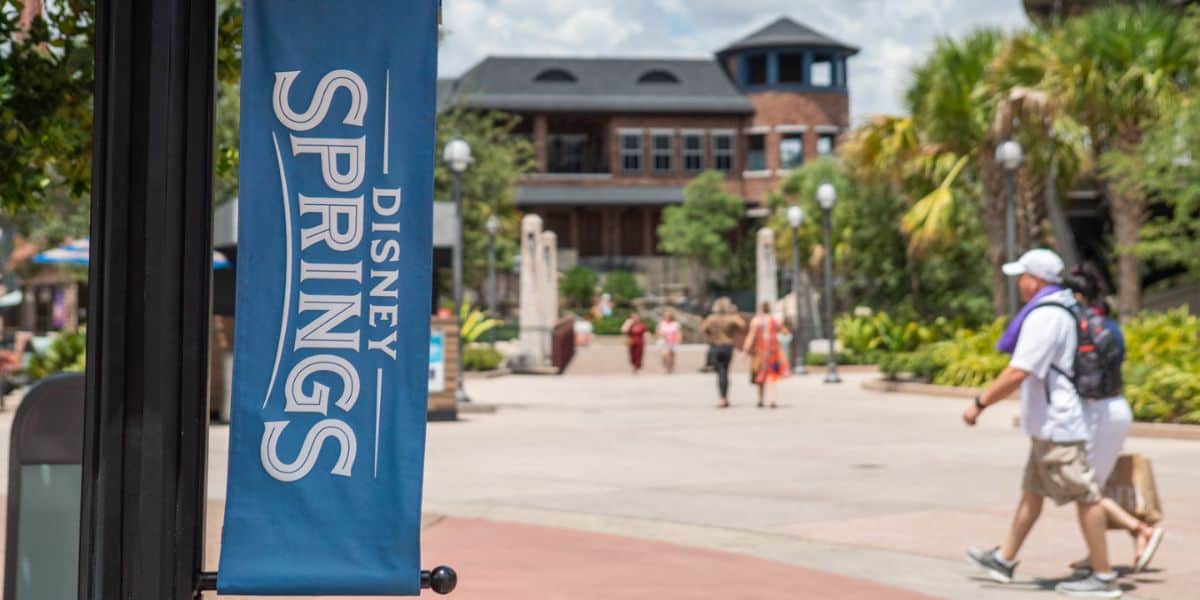
Weeks into the new policy, the verdict is in. According to Cast Members and current data, the great Disney World bus ban is working exactly as intended. Resort guests are absolutely thrilled with the changes—but loyal Florida locals are furious.
How the “Bus Ban” Actually Works
To understand the intense online debate, you have to understand the sheer strictness of the new policy. Walt Disney World transportation is no longer a free-for-all public transit system.
Under the 2026 guidelines, guests attempting to board a Disney bus heading to a specific resort hotel must verify their eligibility. Unless you have an active hotel reservation at that specific resort (or a confirmed table-service dining reservation), you cannot board the bus.
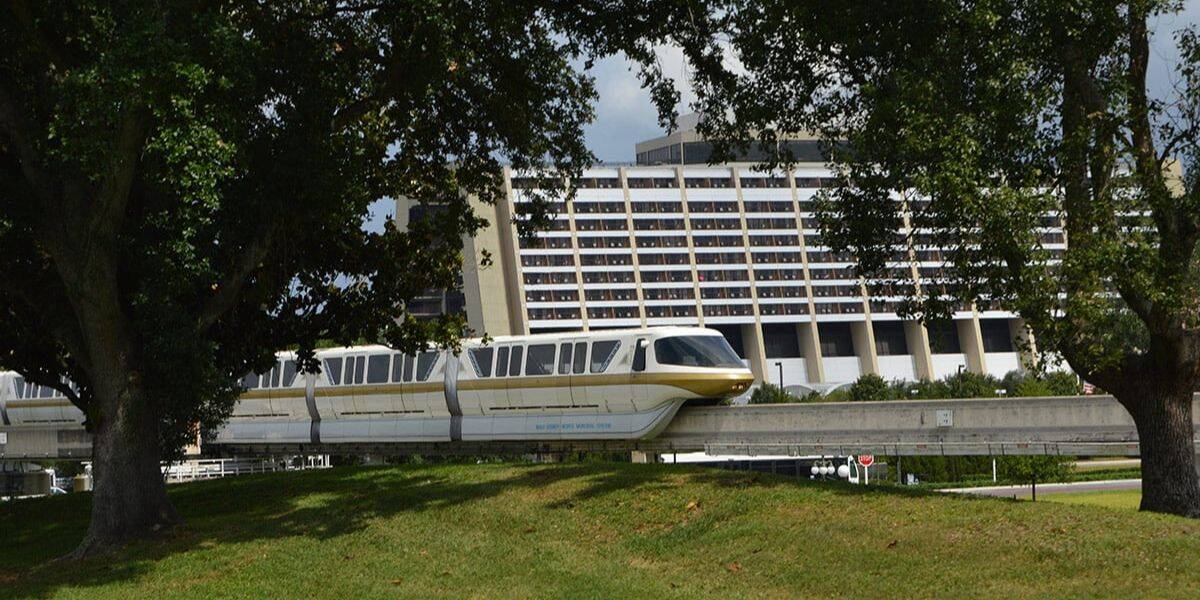
The same strict perimeter extends to the resort security gates. If a local Annual Passholder attempts to drive to Disney’s Contemporary Resort just to walk around, shop, or grab a quick-service coffee, security will turn their vehicle around.
The goal was simple: protect the “Disney bubble” for tourists paying top dollar to sleep inside it. By cutting off access to day-trippers, off-property tourists, and locals looking for free entertainment, Disney aimed to restore the luxury and exclusivity of its resort properties.
Resort Guests: “We Finally Got Our Money’s Worth”
For the families spending thousands of dollars to stay on Disney property, the bus ban is being hailed as the greatest operational change in recent park history.
Over the weekend, the discourse ignited across social media, with resort guests passionately defending the new restrictions. According to recent viral posts from parkgoers experiencing the new rules firsthand, the difference is night and day. Guests are reporting that wait times for resort buses and boats have dramatically declined. Instead of being packed shoulder to shoulder like sardines, families are actually getting seats on the ride back to their rooms.
Beyond the transportation itself, the atmosphere inside the hotels has drastically shifted.
- Quiet Lobbies: The sprawling lobby of Disney’s Wilderness Lodge is no longer packed with weary day-guests sleeping on the couches to escape the Florida heat.
- Accessible Quick-Service Dining: Resort guests can finally grab a quick breakfast or a late-night snack at their hotel’s food court without waiting in a massive line behind non-resort guests.
- Poolside Peace: While pool-hopping has always been banned, the overall reduction in foot traffic has made the resort grounds feel incredibly peaceful and exclusive.

For these high-paying guests, a Disney hotel once again feels like a true VIP retreat rather than a public shopping mall. As one viral sentiment noted, when you are paying $600 a night for a room, you shouldn’t have to fight a local for a seat on your own hotel’s bus.
The Locals’ Fury: A Class System in the Parks?
While the tourists are celebrating, the Florida locals and out-of-state Annual Passholders are up in arms. For this dedicated demographic, the bus ban feels like a massive slap in the face to Disney’s most loyal customers.
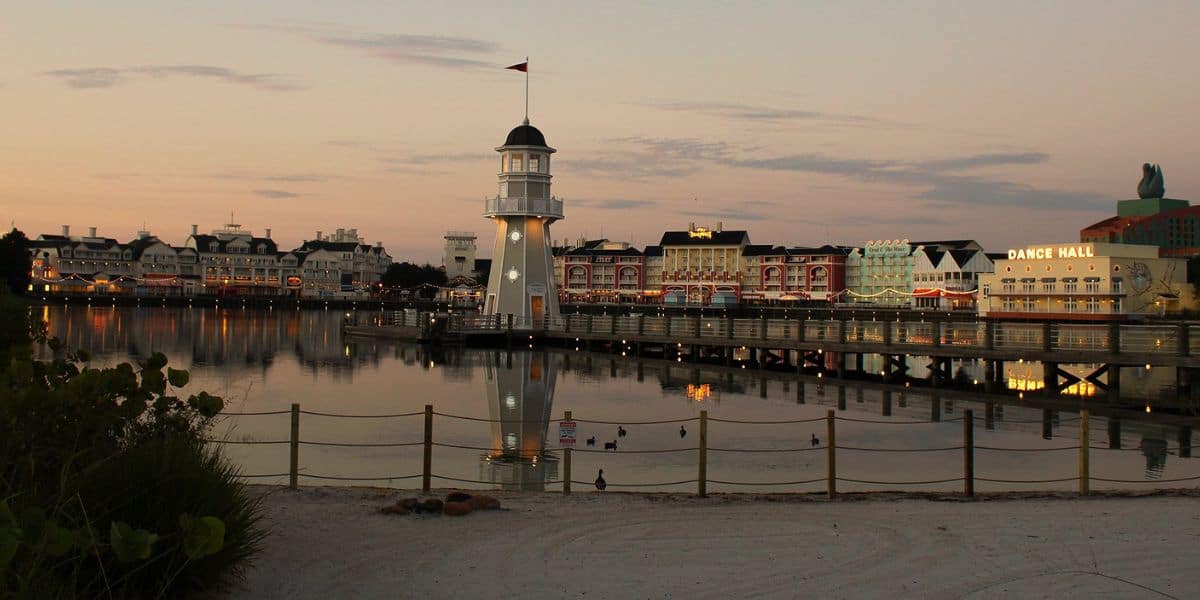
For years, locals have used their Annual Passes to enjoy the resort property as a whole. A Friday night didn’t necessarily mean going on rides; it often meant taking a Disney bus to Disney’s Boardwalk Inn to stroll around, or grabbing a quick-service meal at Capt. Cook’s at the Polynesian.
Now, Passholders are effectively locked out of the magic unless they are willing to pay for an expensive sit-down meal. Critics are loudly calling out the policy as a blatant cash grab and a stark acceleration of Disney’s new “class system.” They argue that by restricting transportation and resort access, Disney is punishing the loyal fan base that keeps the parks afloat during the slower off-seasons.
The frustration is palpable on platforms like X and TikTok, where locals are sharing stories of being turned away at bus stops and security gates. For a company built on inclusivity and shared magic, the visual of a cast member denying a family access to a hotel bus because they are staying off-property is a bitter pill for the fandom to swallow.
To be clear, these guests can still visit the resorts; however, Disney closed the loophole that allows them to park at the resorts and go to the parks. Without a valid dining reservation, resort parking is limited to those with valid reservations at that resort.
Cast Members Weigh In: The Eerie Quiet
Behind the scenes, Walt Disney World Cast Members are confirming that the ban is operationally flawless. As previously reported by Inside the Magic, transportation Cast Members have noted a massive decrease in bus crowding, and resort workers say the hotel lobbies have never been cleaner or easier to manage.

However, some Cast Members have quietly pointed out the unintended side effects of the ban. The resorts are undeniably functioning better, but they also feel eerily quiet. The bustling, kinetic energy of resorts like the Contemporary and the Polynesian has significantly diminished.
By prioritizing exclusivity, Disney has successfully solved its crowding problem—but it has also stripped away the communal, bustling atmosphere that made the resorts feel alive.
Is the Exclusivity Worth the Alienation?
As the summer of 2026 rolls on, Walt Disney World finds itself at a fascinating crossroads. The bus ban proves that the company can easily fix overcrowding and improve the premium guest experience with a single policy change. But that operational victory comes at the direct expense of Florida locals and budget-conscious fans.

Until Disney finds a middle ground, the resorts will remain a pristine, uncrowded paradise for those who can afford the room key—and an impenetrable fortress for everyone else.