1
1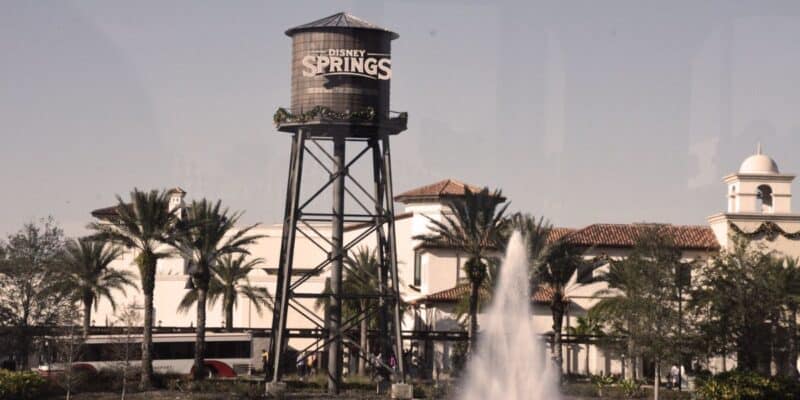
 Credit: SJ Grant, Flickr
A decade has passed since June 12, 2016, a date permanently etched into history as one of America’s most devastating mass tragedies. The mass shooting at Orlando’s Pulse Nightclub claimed 49 innocent lives and left 58 others physically and emotionally shattered.
In the ten years that have followed, the Central Florida community has continued to fight to preserve the memory of those lost, culminating in the recent demolition of the nightclub building to clear the way for a permanent, sacred memorial.
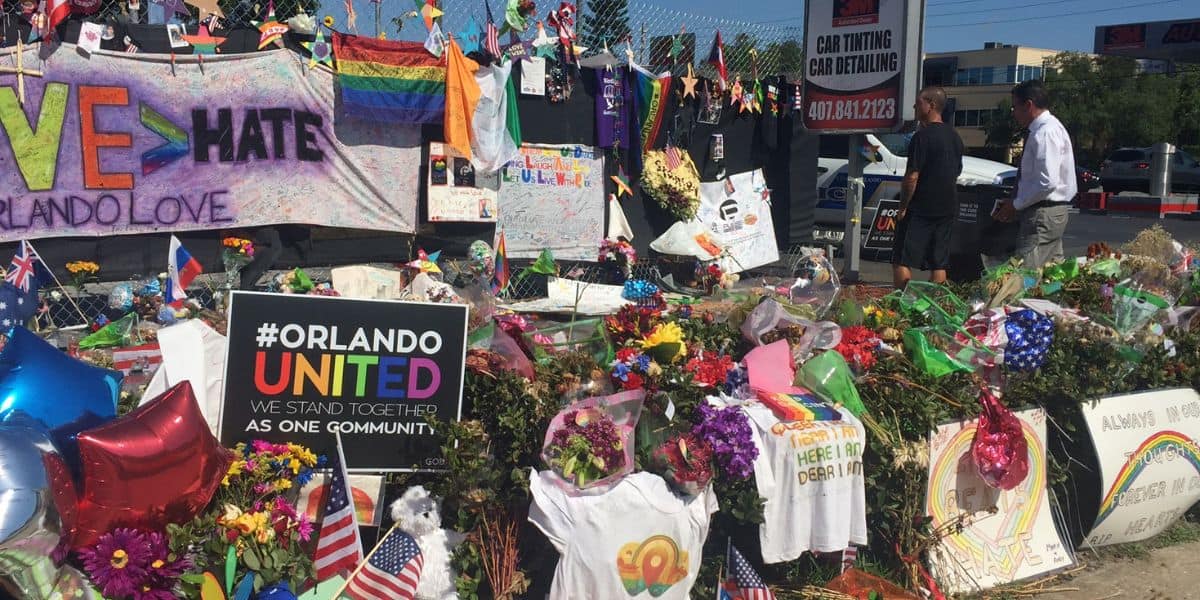
However, over the last decade, the official narrative surrounding how that horrific night unfolded has fundamentally evolved. While initial public reports characterized the assault as a deeply calculated, weeks-long, pre-planned hate crime targeting the LGBTQ+ community, federal evidence later uncovered a far different, terrifying reality. The gunman, 29-year-old Omar Mateen, didn’t set out that night with Pulse in his crosshairs. His intended target may have been Walt Disney World.
Disney Springs: The True Intended Target
The shocking revelation that the “Happiest Place on Earth” was the primary target first came to light during the 2018 federal trial of Mateen’s widow, Noor Salman. Electronic forensics and cell tower data painted a picture of an opportunistic terrorist who only pivoted to the nightclub after being repeatedly deterred by heavy security presence elsewhere.
During the trial’s closing arguments, Assistant U.S. Attorney Sara Sweeney flatly laid out the government’s findings to the jury, stating a phrase that still echoes chillingly through Orlando:
“The target of that terrorist attack was not the Pulse nightclub. The target of the attack was Disney.”
Cell phone records and surveillance logs revealed that Mateen spent the weeks leading up to the attack casing various high-traffic entertainment districts across the state, hunting for maximum crowd densities with minimal security boundaries. His surveillance operations weren’t limited to Orlando; records show that on June 4, 2016, Mateen drove his family to West Palm Beach to scope out CityPlace, a popular open-air shopping and dining center, looking for perimeter vulnerabilities.
The Stroller Plot and the Scouting Trips
Mateen’s intent to strike a high-profile target hardened. On June 8, four days after his trip to West Palm Beach, he brought his wife and three-year-old son to the Orlando area under the guise of a casual family outing. They visited the Florida Mall and a Bass Pro Shops location, where records show Mateen legally purchased the ammunition used in the massacre.
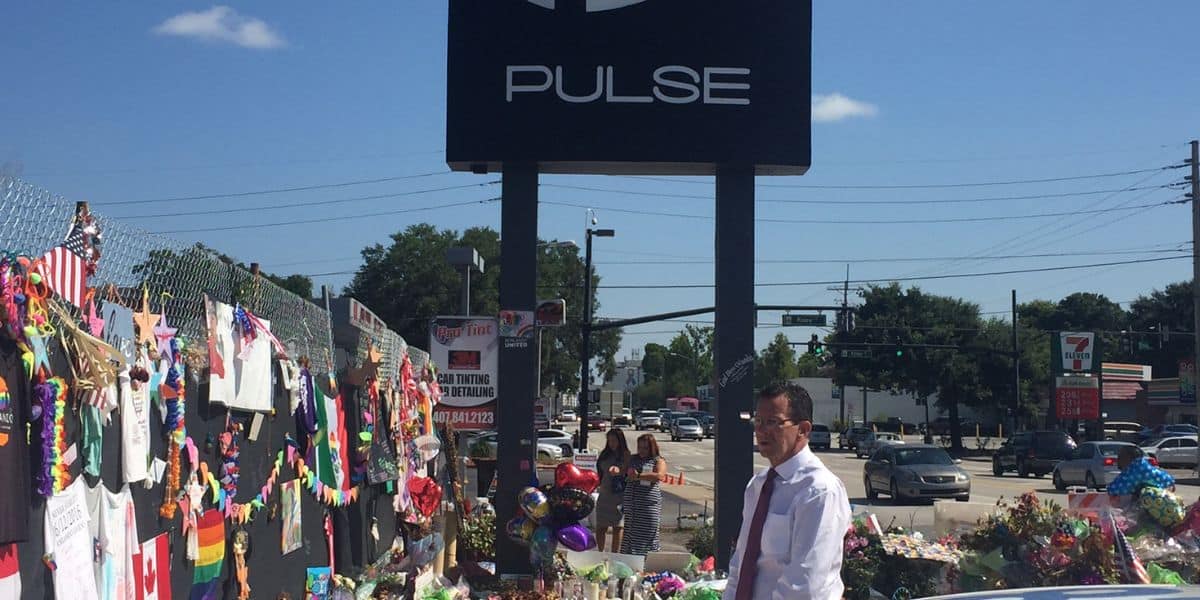
That same evening, the family traveled to Disney Springs, Walt Disney World’s sprawling outdoor shopping, dining, and entertainment district. Surveillance footage presented to the court showed a deeply disturbing contrast: while his wife and toddler shopped inside a retail store, Mateen slowly walked the outdoor plazas alone, scouting out choke points, crowd flows, and security positions.
His final return to Disney Springs on the night of Saturday, June 11, 2016—just hours before the shooting—exposed his exact tactical plan. Earlier that afternoon, Mateen visited a local Walmart and purchased a baby stroller and a plastic doll. Federal prosecutors established that Mateen intended to place his Sig Sauer MCX semi-automatic rifle inside the stroller, covering it with the doll to seamlessly wheel his weaponry past Disney Springs’ perimeter security lines without raising suspicion.
Minute-by-Minute: The Fatal Route to Pulse
The electronic breadcrumbs left by Mateen’s smartphone and local cell towers provide an undeniable log of how he abandoned his Disney plot and searched for a softer target along the Interstate 4 (I-4) corridor.

The fateful digital and physical trail began at 10:00 p.m. on June 11, 2016, when Omar Mateen was captured on surveillance cameras wandering the crowded plazas of Disney Springs, even purchasing a shirt at the House of Blues.
Over the next hour, his phone logged manual searches for “disney springs” and “disney world,” but the heavy presence of uniformed law enforcement ultimately forced him to abandon his original plan. At 12:22 a.m., while sitting in his car near EPCOT, Mateen pivoted, typing “downtown orlando nightclubs” into his browser before leaving Disney property five minutes later.
Driving northeast on Interstate 4, he arrived outside his first alternative target, an upscale downtown venue named EVE Orlando, just before 12:55 a.m. Once again deterred by a highly visible front-door security detail and nearby police patrols, Mateen turned back to his phone at 1:01 a.m., executing another search that led him directly to Pulse.
He arrived at the nightclub at 1:12 a.m., briefly driving away due to mid-route indecision before returning at 1:41 a.m. to enter the building completely unarmed.
For thirteen chilling minutes, Mateen walked the packed dance floor, casing the interior layout and evaluating its vulnerabilities. Satisfied that he had finally found a soft target with minimal resistance, he exited the club at 1:54 a.m., moved his vehicle to an adjacent lot to arm himself with his semi-automatic rifle, and returned to the front entrance at 2:02 a.m. to unleash the horrific massacre.
The details of Mateen’s movements were reconstructed from phone records, surveillance footage, and prosecutor presentations. Most of this timeline was presented during Noor Salman’s, Mateen’s widow, trial.
The Pivot to Downtown Orlando
After leaving the Disney property at 12:27 a.m., Mateen’s digital trail reveals a search for any crowded venue lacking adequate security. He chose the downtown Orlando corridor, pulling up outside EVE Orlando around 12:42 a.m. EVE was a popular upscale venue, but it possessed a critical defense: a highly visible security team at the front door and a heavy presence of Orlando Police Department officers patrolling the immediate street. Once again, Mateen was deterred by a hard target.
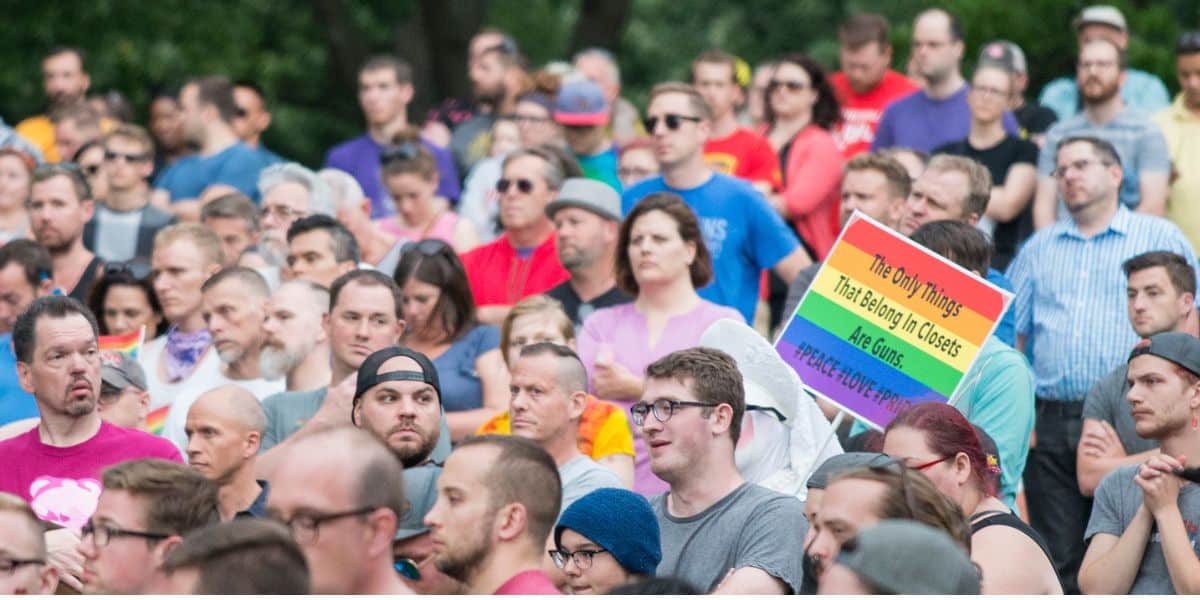
Frustrated, he turned to his phone at 1:01 a.m., typing “downtown orlando nightclubs” into his browser. The search engine surfaced Pulse, a club located just south of the downtown core. Unlike Disney Springs or EVE, Pulse was hosting a packed “Latin Night” with over 300 patrons inside, guarded primarily by a single off-duty, uniformed police officer working extra duty.
Mateen drove to the club, walked inside unarmed at 1:41 a.m. to evaluate the layout, and realized he had finally found an environment with minimal resistance. He walked back to his minivan, grabbed his firearms, and returned at 2:02 a.m. to carry out his attack.
The Legacy of Security Deterrence
A decade later, the revelation of Mateen’s true timeline serves as a harrowing lesson in theme park, venue, and urban security. While the tragedy at Pulse remains an unhealed wound for the families of the 49 victims, the forensic evidence underscores a profound operational truth: visible, robust law enforcement deterrence could have prevented Mateen from carrying out a mass shooting at Disney World.
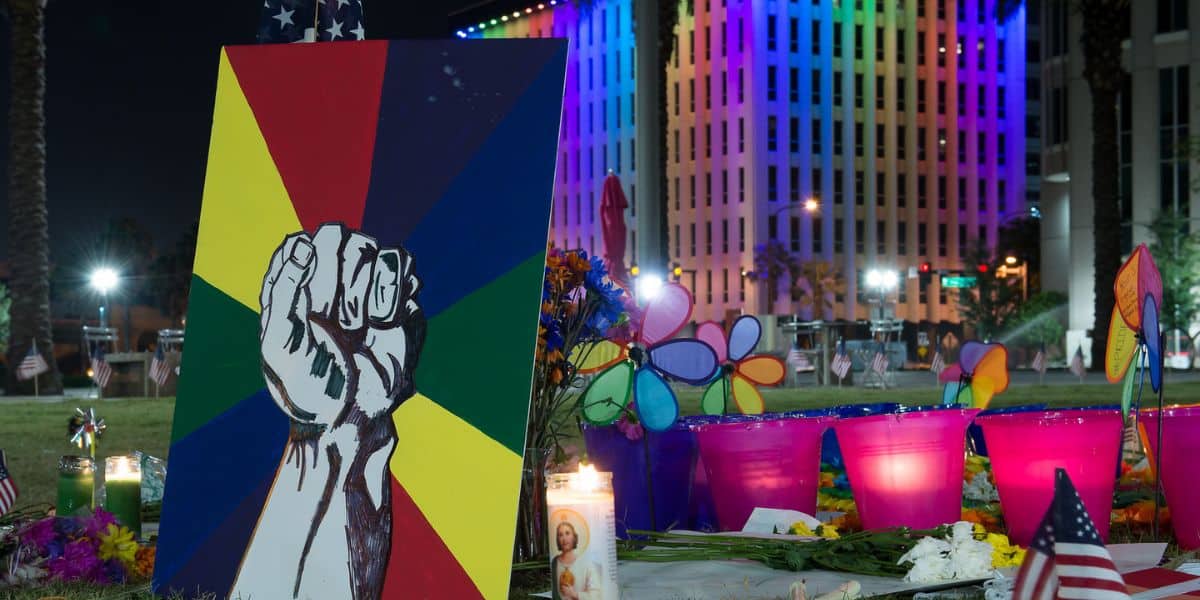
The active patrolling of Orange County Sheriff’s deputies at Disney Springs and the strict police presence outside downtown venues successfully shielded thousands of unsuspecting tourists and locals from an unimaginable bloodbath. Ultimately, the history of Pulse is a tragic reminder of what happens when a threat is pushed away from fortified environments and toward a vulnerable space, and the lives of hundreds were forever shattered as a result.