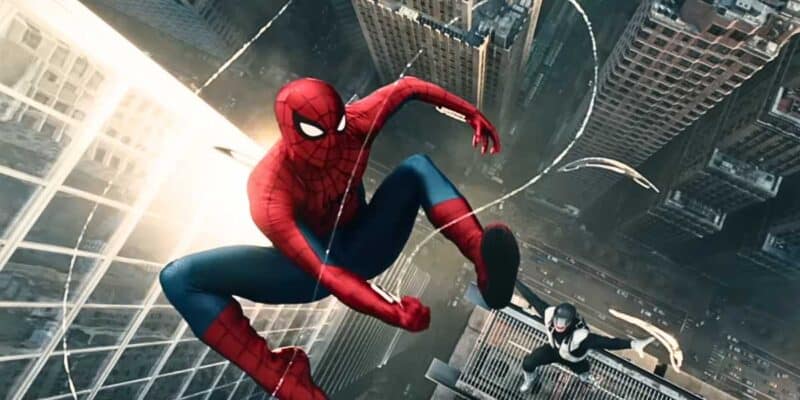
 Credit: Sony Pictures/Marvel Studios
Marvel Studios has quietly changed the way fans may look at Tom Holland’s entire Spider-Man story in the MCU, and the timing could not be more interesting.
As Marvel moves deeper into the Multiverse Saga, the studio is beginning to revisit some of the biggest choices it made during the early years of Holland’s Spider-Man run. Fans have spent years debating why this version of Peter Parker always felt so different from previous live-action portrayals, especially compared to the versions played by Tobey Maguire and Andrew Garfield.
Now, one major behind-the-scenes revelation has finally provided a direct answer.
The new comments do not just reshape how audiences view Peter Parker’s past. They also change the emotional foundation of Holland’s Spider-Man entirely and may influence how Marvel handles the character moving into Spider-Man: Brand New Day (2026) and potentially Avengers: Secret Wars (2027).
And honestly, once you look back at the MCU timeline, the signs were there all along.
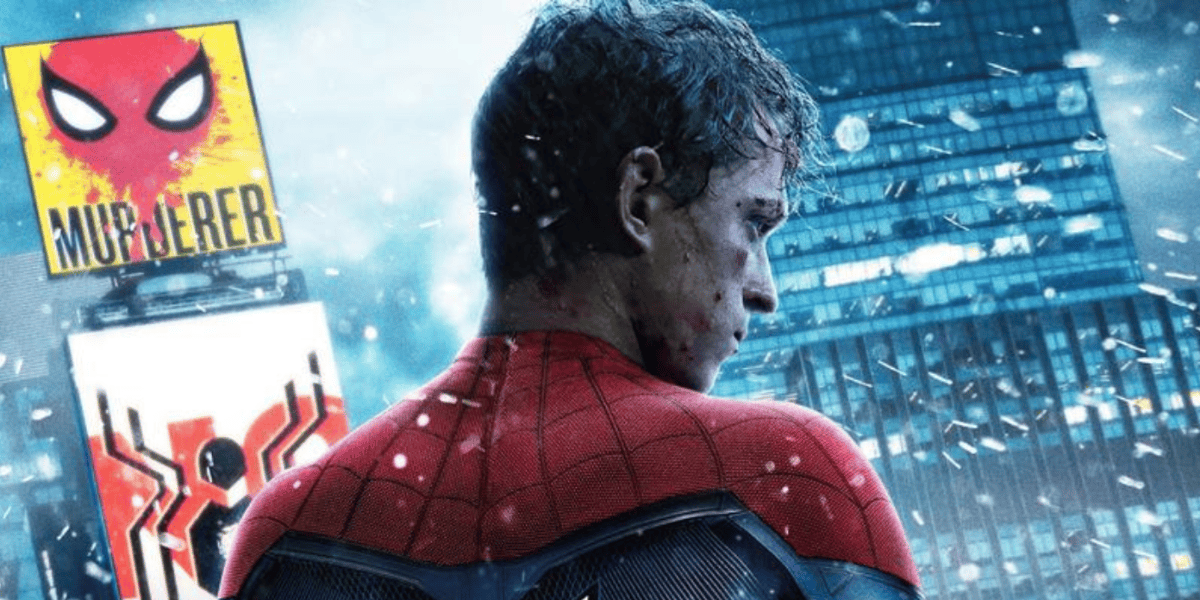
Tom Holland’s Spider-Man Took a Completely Different Route
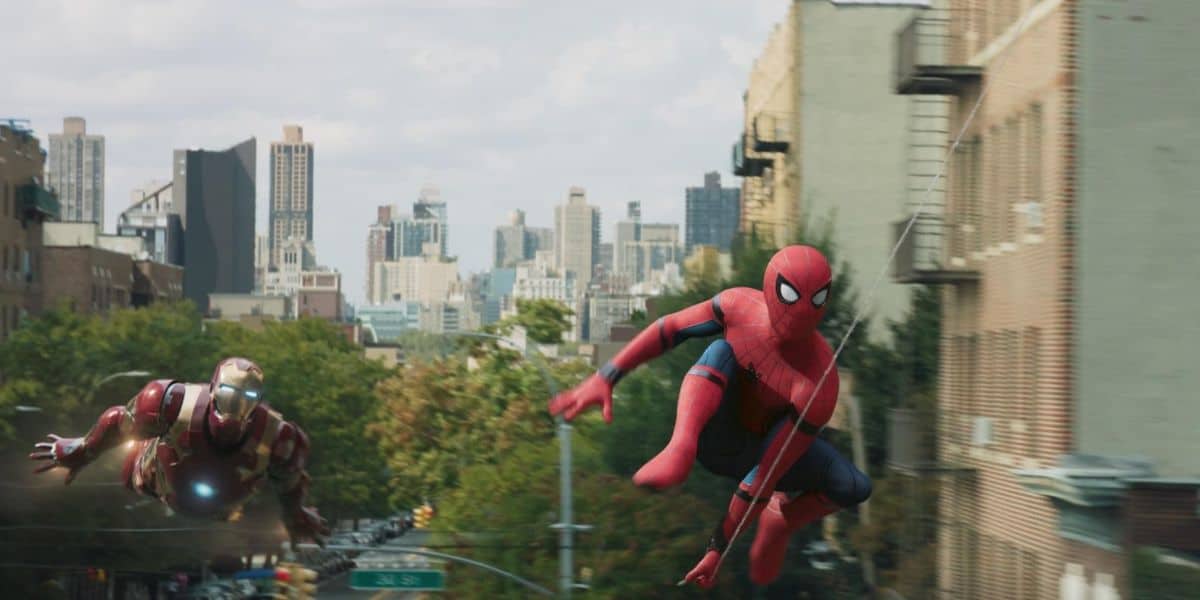
When Tom Holland debuted in Captain America: Civil War (2016), Marvel immediately handled Spider-Man differently than Sony’s earlier franchises.
Audiences skipped past the usual setup and met Peter Parker already operating as Spider-Man in Queens. Tony Stark recruited him directly into the Avengers conflict surrounding the Sokovia Accords, instantly connecting Peter to the larger MCU.
That alone made Holland’s version stand apart.
Instead of focusing on grief and tragedy early on, Marvel leaned heavily into Peter’s excitement, awkward humor, and determination to prove himself worthy of joining Earth’s Mightiest Heroes. Throughout Spider-Man: Homecoming (2017), Avengers: Infinity War (2018), Avengers: Endgame (2019), and Spider-Man: Far From Home (2019), Peter’s biggest struggle centered around living up to expectations.
Tony Stark became the central mentor figure in his life, shaping Peter’s growth far more than previous Spider-Man adaptations ever explored.
Now, Marvel is preparing to continue that journey with Spider-Man: Brand New Day, while speculation continues building around Holland’s possible role in Avengers: Secret Wars.
Before Peter enters that next chapter, though, Marvel has officially clarified one of the MCU’s biggest Spider-Man mysteries.
Joe Russo Confirms a Massive Canon Shift
During a recent interview with CBR, director Joe Russo officially confirmed that Tom Holland’s Peter Parker was never intended to carry the same emotional burden that defined previous live-action Spider-Man versions.
That decision dramatically separates Holland’s portrayal from the versions played by Tobey Maguire and Andrew Garfield.
In earlier Spider-Man films, Peter Parker’s journey was built around overwhelming guilt and personal responsibility tied to tragedy. That emotional weight shaped nearly every major decision those characters made moving forward.
Marvel intentionally chose a different path for Holland’s version.
According to Russo, giving Peter that same darker emotional foundation would have fundamentally changed the tone of the character. The filmmakers wanted Holland’s Spider-Man to remain optimistic, youthful, and energetic when audiences first met him inside the MCU.
Looking back now, that creative choice explains a lot.
Marvel’s Peter Parker always felt more hopeful than previous versions. Even while facing alien invasions, Multiverse chaos, and world-ending threats, Holland’s Spider-Man still carried a sense of excitement and innocence that made him fit naturally beside characters like Iron Man and Doctor Strange.
That was never accidental.
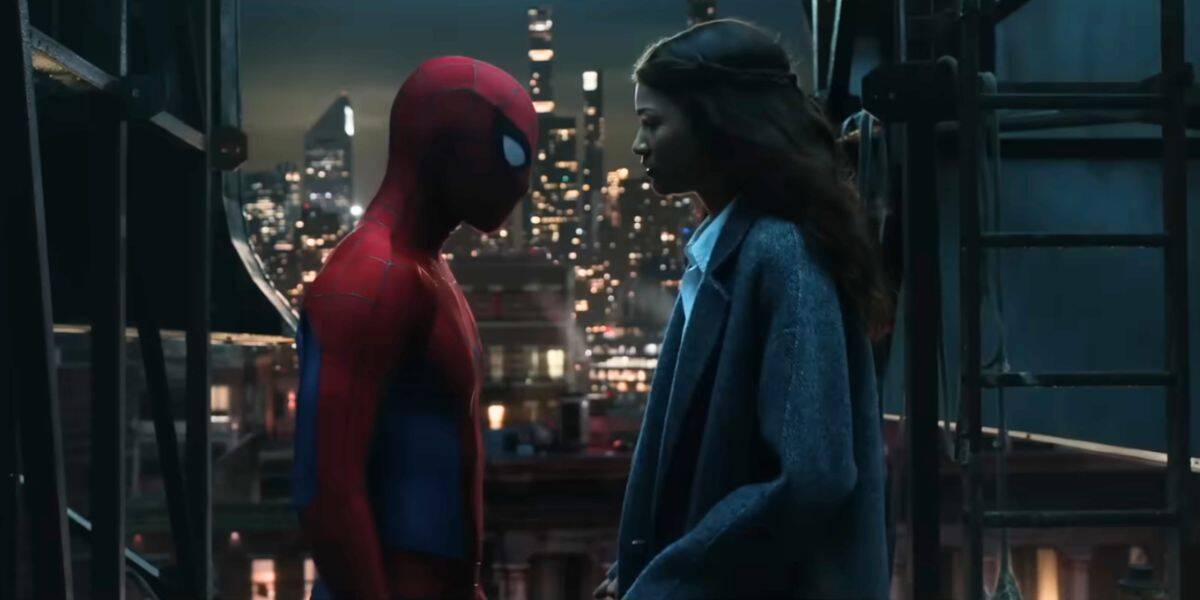
Marvel Still Wanted Spider-Man’s Core Themes
Even though Marvel avoided the darker approach used in earlier Spider-Man movies, the studio still wanted responsibility to remain central to Peter Parker’s story.
Joe Russo explained that Spider-Man always stood out because he represented a young person under enormous pressure as he navigated everyday life. Marvel simply wanted to explore those ideas through a different emotional lens.
Instead of introducing Peter through trauma, the MCU built his early story around mentorship and expectation.
Peter constantly tried to prove he belonged among the Avengers. He struggled with balancing school, friendships, heroism, and the pressure Tony Stark placed on him. That approach allowed Marvel to develop Spider-Man inside the larger MCU without immediately pushing the character into the darker emotional territory audiences had already seen in previous franchises.
And frankly, Marvel probably understood that audiences did not necessarily want to sit through another nearly identical Spider-Man origin story for a third time.
The studio found a way to preserve Spider-Man’s spirit while still making Holland’s version feel fresh.
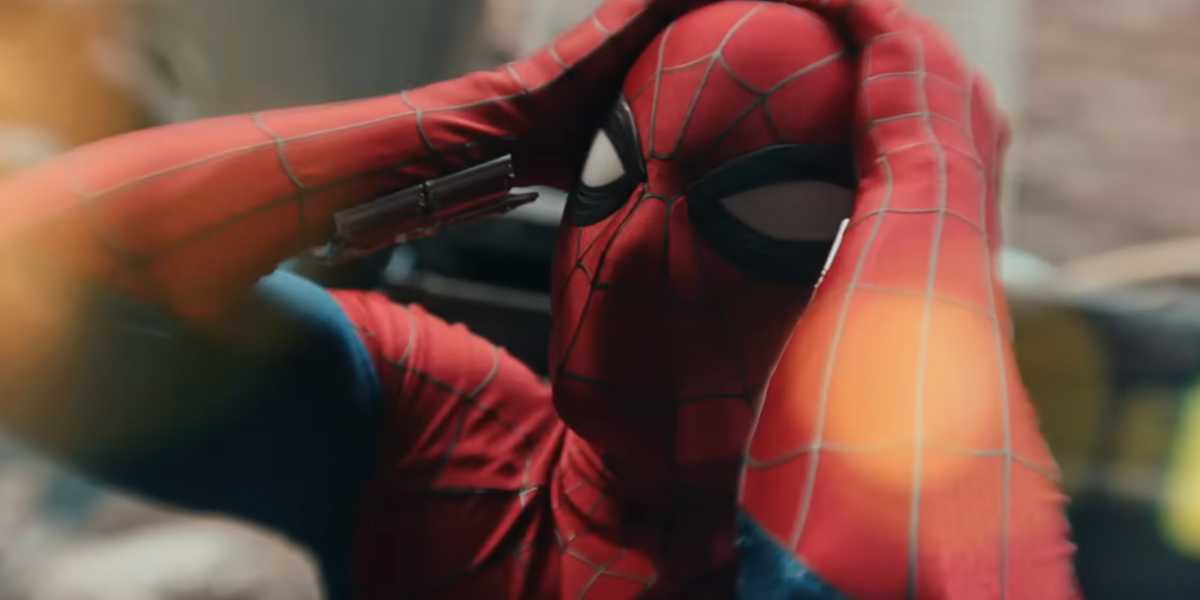
Spider-Man: No Way Home Changed Everything
While Holland’s earlier MCU appearances stayed relatively lighter in tone, Spider-Man: No Way Home (2021) completely changed Peter Parker’s emotional journey.
The film finally delivered the devastating turning point many fans had expected from the beginning.
Writers behind No Way Home later explained that the movie was designed to become Peter’s true emotional transformation inside the MCU. For the first time, audiences watched Holland’s Spider-Man face overwhelming grief, rage, isolation, and sacrifice all at once.
That shift gave the character a level of maturity his earlier appearances intentionally avoided.
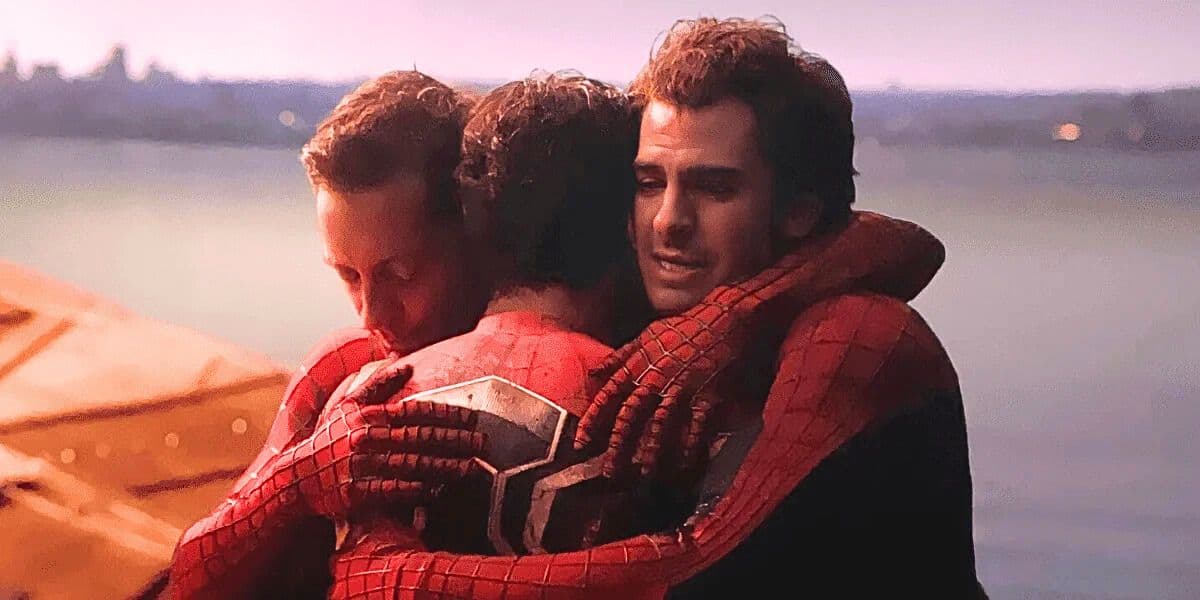
The movie also cleverly used Tobey Maguire and Andrew Garfield’s Spider-Men to help guide Holland’s Peter through that darker emotional moment. Instead of simply repeating older Spider-Man stories beat-for-beat, Marvel allowed the legacy characters to help teach Holland’s Peter the painful lessons they had already learned themselves.
In many ways, No Way Home became the MCU’s version of Peter Parker’s true origin story.
The earlier films introduced audiences to the character, but No Way Home finally transformed him into the Spider-Man that the fans fully recognized.
Why This Matters for the MCU’s Future
Marvel’s latest clarification may sound subtle on paper, but it completely reshapes how fans interpret Peter Parker’s journey across the MCU timeline.
Rather than starting as a hero driven by guilt and tragedy, Holland’s Peter Parker began as an optimistic teenager inspired by the Avengers. His emotional collapse came much later, after years of trying to balance heroism, mentorship, and personal sacrifice.
That slower evolution ultimately helped distinguish Holland’s Spider-Man from every previous live-action adaptation.
Now, with Spider-Man: Brand New Day preparing to continue Peter’s story and Avengers: Secret Wars expected to push the Multiverse saga toward its conclusion, Marvel finally has a Spider-Man who carries the emotional weight fans associate with the character without repeating the exact same formula audiences have already watched multiple times.
After years of speculation, Marvel has officially confirmed that Tom Holland’s Peter Parker was always meant to follow a very different path.
And judging by how the MCU continues evolving, that decision may end up becoming one of Marvel’s smartest long-term storytelling choices yet.