Credit: Inside the Magic
The global phenomenon Bluey has finally made its official, highly anticipated footprint in a Walt Disney World theme park, but the rollout’s execution has left a sour taste in the mouths of many dedicated park-goers. As part of the highly publicized “Cool Kids’ Summer” seasonal event for late May 2026, Disney officially debuted “Bluey’s Wild World” at Disney’s Animal Kingdom.

The interactive experience invites young children and families to get their wiggles out by playing animal-themed variations of games from the hit show, such as Keepy Uppy and Magic Asparagus, alongside life-sized Bluey and Bingo characters, all culminating in a high-energy bubble shower finale.
However, rather than debuting a beautifully designed, highly immersive environment worthy of Walt Disney Imagineering’s premium historical legacy, the company’s operational choices have triggered a swift wave of intense social media backlash from those who have seen it.

To manage the unprecedented, multi-generational demand for the beloved Australian Heeler puppy, Disney is implementing a Virtual Queue (VQ) system that effectively locks down an entire section of the park. Worse yet, as the first wave of guests and media previews experienced the attraction’s physical layout this week, frustration boiled over online. From sterile physical boundaries to severe space constraints, theme park fans are calling out the experience, with many describing the low-budget presentation as completely “Six Flags level” and entirely insufficient for the scale of the intellectual property.
Locking the Rails: How the Bluey Virtual Queue Works
To understand the logistical friction that is causing immense headaches for parents traveling with young children across the property, one must examine how heavily Disney has restricted access to this corner of the park. Unlike traditional character meet-and-greets that operate on a standard, first-come, first-served physical standby line, “Bluey’s Wild World” is completely cordoned off behind the My Disney Experience digital lottery system.
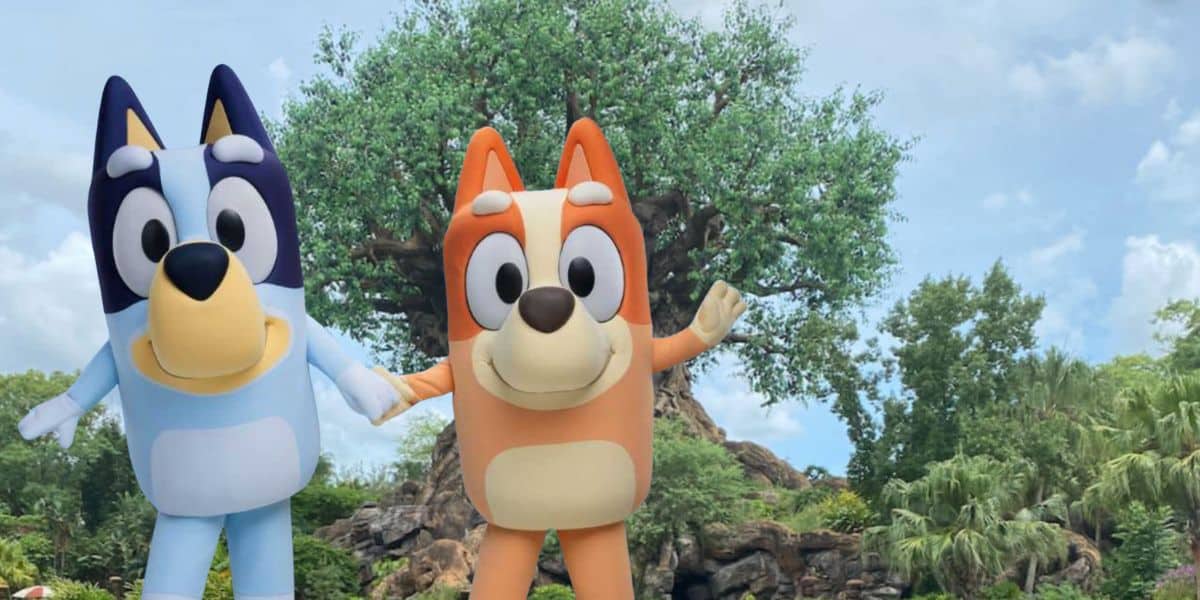
According to official operational details released via BlogMickey.com, the virtual queue dictates the entire flow of travel to the destination. The experience is hosted deep within the newly retrofitted former Conservation Station at Rafiki’s Planet Watch. To get there, guests must board the Wildlife Express Train in the Africa section of the park.
However, Disney has taken the extreme step of requiring a Virtual Queue boarding group just to board the train. The digital rules follow a strict multi-window daily drop structure:
- The 7:00 a.m. Electronic Window: Mates can attempt to join the Virtual Queue via the app from their hotel rooms or outside the park, provided they have valid theme park admission and an Animal Kingdom reservation (where applicable). Guests do not need to be inside the park yet to lock in a spot.
- The 10:00 a.m. In-Park Window: A second pool of boarding groups opens later in the morning, requiring guests to be physically scanned through Disney’s Animal Kingdom turnstiles to apply.
- The Standby Blackout: Disney has explicitly confirmed that a traditional physical standby line is completely unavailable at launch. If you do not win the digital lottery at 7:00 a.m. or 10:00 a.m., you are barred from the train and entirely locked out of the experience.
While restricting access via a virtual queue is a proven mechanical strategy to manage overcrowding, gating an entire transit system and an entire sub-land behind a digital pass has created an immediate bottleneck.
“Completely Insufficient”: The Six Flags Theming Controversy
The core of the outrage, however, centers on the underwhelming physical environment that awaits guests once their digital numbers are called. Rather than constructing a whimsical, ground-up replica of the Heeler family’s iconic hillside Queensland home, or building a highly detailed outdoor play savanna, Imagineering chose to simply clear out the indoor rooms of Conservation Station, which closed down for a brief three-month fast-track renovation earlier this year.
The visual and spatial letdown instantly ignited a heated debate among theme park commentators on social media. Taking to X (formerly Twitter), prominent theme park enthusiasts and analysts posted scathing reviews of the installation’s lack of ambition, specifically calling out the inadequate space and cheap design:
The critique strikes a core nerve within modern Disney fandom: the growing sentiment that the company is leaning entirely on the strength of its acquired intellectual properties while cutting corners on physical design, spatial capacity, and architectural storytelling.

Inside the venue, the “immersive world” consists primarily of basic indoor flooring, white modular shelving, flat printed vinyl wall backdrops, and simple metal stanchions under standard fluorescent indoor lighting. For an executive price tag exceeding $150 a day for a standard park ticket, consumers expect to walk into the cartoon, not stand in front of a giant vinyl sticker.
The Spatial Bottleneck and Capacity Crisis
Beyond the aesthetic disappointment, the physical insufficiency highlighted by fans creates a massive operational dilemma. Character activations naturally suffer from low hourly capacity because personalized interactions take time. Stacking hundreds of families into a confined, repurposed indoor space like Conservation Station inevitably results in internal gridlock.
Furthermore, by locking the Wildlife Express Train behind a Virtual Queue, Disney has effectively broken one of Animal Kingdom’s most critical natural “crowd sponges.” Historically, Rafiki’s Planet Watch functioned as a pressure-valve area where families could freely wander to pet animals at the Affection Section, look at veterinary care rooms, and escape the long lines of Pandora or Asia.
Now, by gating the entire train line behind a competitive digital pass just for Bluey, the area is restricted only to lottery winners, pushing the remaining displaced crowds back into the main walkways of the park. This leaves thousands of families who didn’t win a boarding group with fewer family-friendly options, causing wait times for standard attractions like Kilimanjaro Safaris and TriceraTop Spin to surge.
The Premium Pricing vs. Aesthetic Compromise
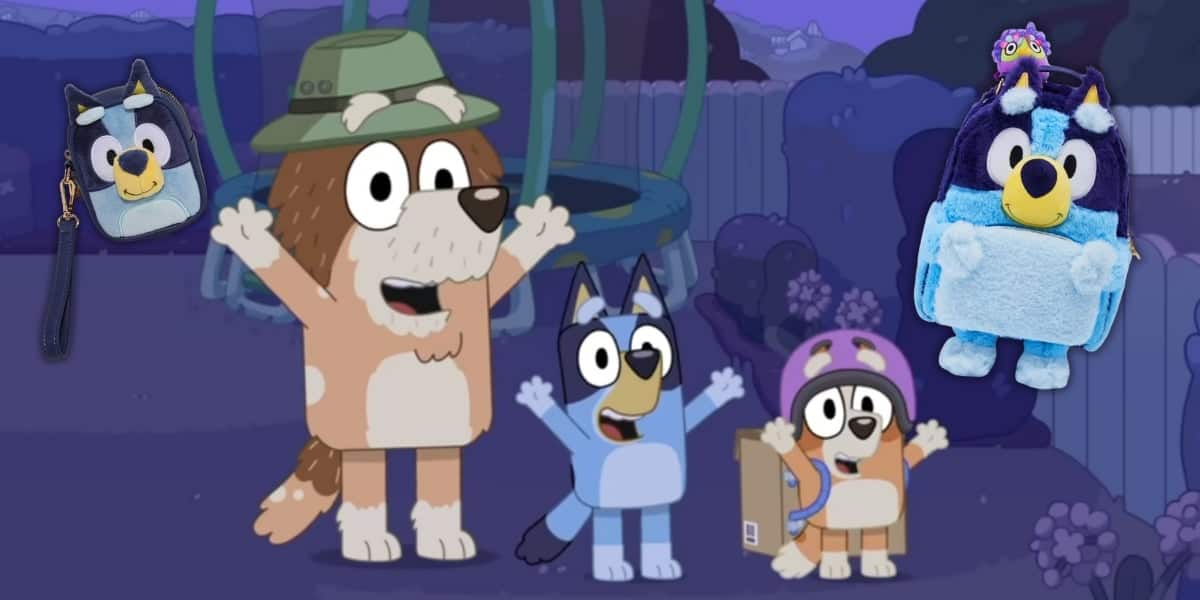
The “Six Flags” comparison is particularly damaging for a brand like Walt Disney World, which has spent the last several years aggressively raising ticket prices, increasing hotel room rates, and transitioning free systems into paid upcharges. While the park is heavily marketing high-margin tie-ins to the event—such as exclusive Bluey collectible plastic sippers, Fairy Bread Cakes, and upcoming custom plush headbands—the actual physical experience feels rushed. When consumers are asked to pay premium, luxury-tier prices, they expect a premium, luxury-tier environment.
Until the company expands the attraction’s physical footprint and introduces the high-tier craftsmanship fans expect, the “Six Flags level” criticism will continue to overshadow the wiggles and giggles of Cool Kids’ Summer. Drop-in character placements are no longer enough to satisfy modern theme park audiences; the magic requires real real estate.