1
1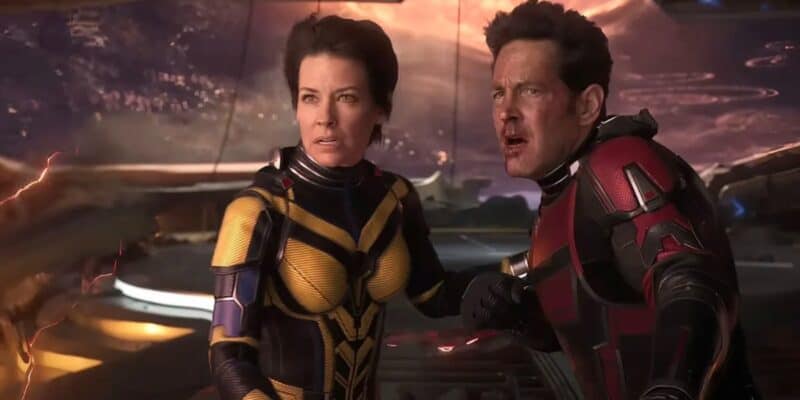
 Credit: Marvel Studios
The Hollywood star has called for a boycott of The Walt Disney Company.
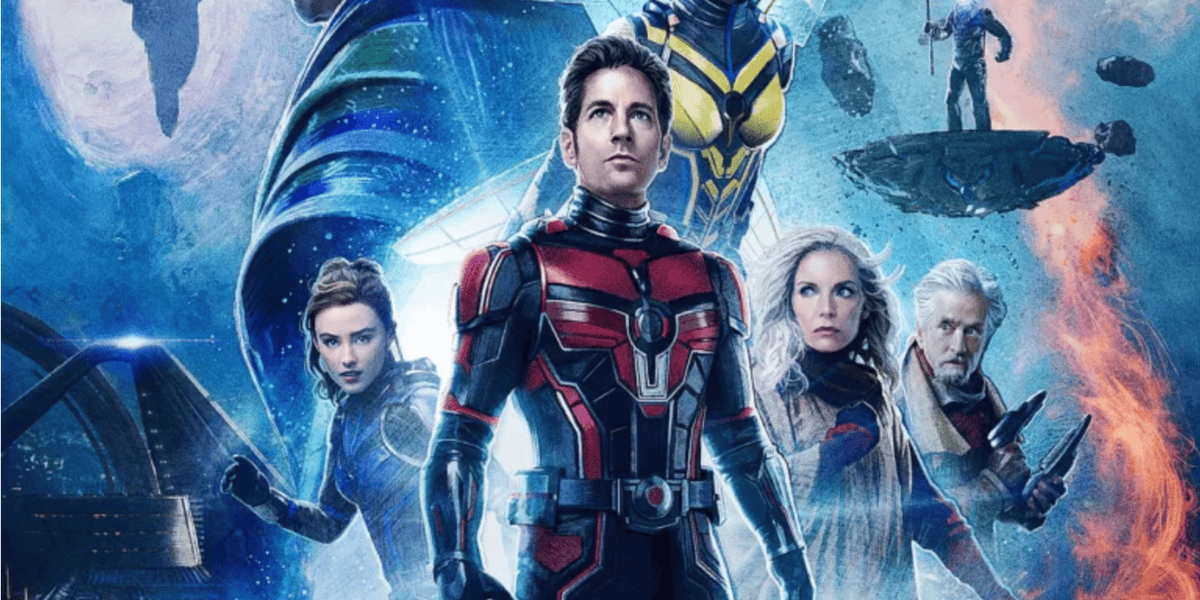
The Marvel Studios brand has long been synonymous with blockbuster dominance, interconnected storytelling, and a visual identity that helped redefine modern franchise filmmaking. But behind the scenes, a wave of recent changes at The Walt Disney Company is raising serious questions about whether the Marvel Cinematic Universe can maintain that same magic moving forward.
In recent weeks, Disney–under the new CEO Josh D’Amaro–has quietly enacted a sweeping round of layoffs, cutting roughly 1,000 employees across multiple divisions. The move is part of a broader effort to streamline operations and reduce long-term costs, as the company recalibrates its approach following years of aggressive expansion into streaming and franchise content.
While layoffs at a company of Disney’s size are not unprecedented, the impact on Marvel Studios has sparked particular concern—and, in at least one case, outright backlash from within its own talent pool.

A Major Shift Behind the Scenes
For years, Marvel Studios has relied on a tightly coordinated internal structure to maintain consistency across its films and Disney+ series. One of the most important pieces of that machine has been its visual development team, a group of artists responsible for designing everything from iconic costumes to entire cinematic worlds. Now, that team has reportedly been cut completely.
The layoffs have affected a notable portion of Marvel’s workforce, with some reports suggesting around eight percent of staff were impacted. Among those caught up in the cuts are experienced creatives who helped define the MCU’s look over the past decade.

From Expansion to Retrenchment
To understand why Disney is making these changes, it’s important to look at the bigger picture.
Following the unprecedented success of 2019’s Avengers: Endgame, Marvel entered an era of rapid expansion. The launch of Disney+ brought a surge of new series, while the theatrical slate continued to grow. For a time, the strategy seemed unstoppable—Marvel content was everywhere.
In recent years, some Marvel projects have struggled to replicate the critical and commercial highs of earlier Phases. At the same time, audiences have become more selective, with “superhero fatigue” becoming an increasingly common talking point across the industry.

Disney’s response has been decisive. The company has scaled back Marvel’s output, focusing on fewer releases per year and allowing more time for development. The goal, seemingly, is simple: prioritize quality over quantity and restore the sense of event storytelling that once defined the MCU.
Yet this shift comes with a paradox. While Disney is aiming to improve quality, it’s also reducing the very teams that helped ensure that quality in the first place.
A Star Speaks Out
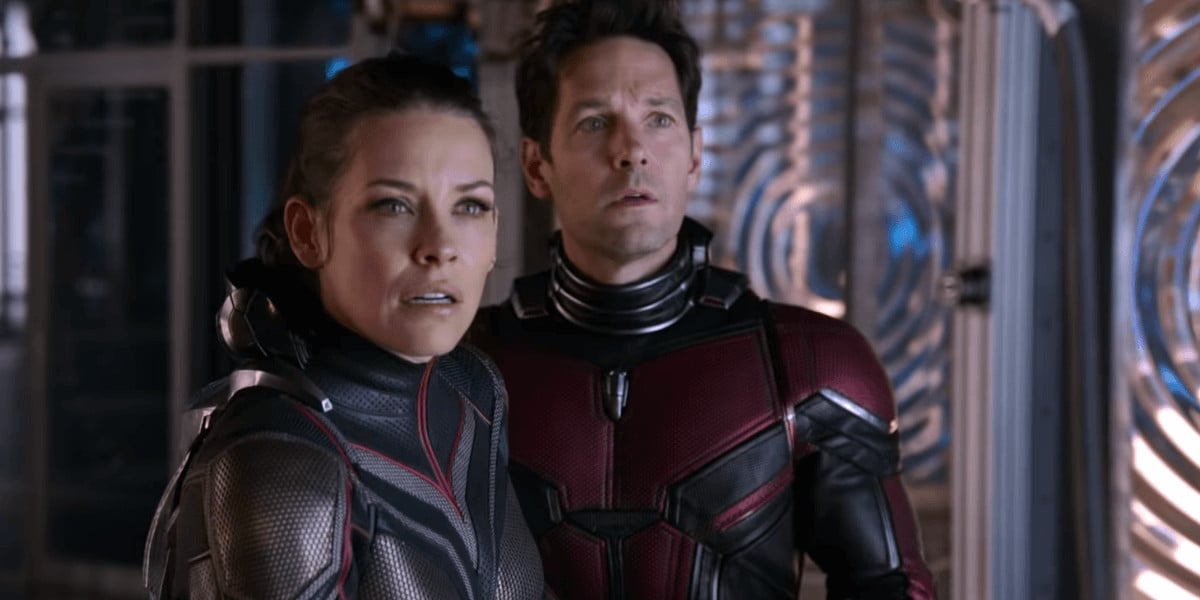
This contradiction is at the heart of Ant-Man franchise star Evangeline Lilly’s criticism.

In her social media post, the actress revealed–who announced her retirement from Hollywood in the last couple of years–that she had personally reached out to longtime Marvel artist Andy Park, who confirmed he had been affected by the layoffs. Park is no minor figure within Marvel’s creative ecosystem—his work has played a key role in shaping characters like The Wasp, helping to define their on-screen appearance. Lilly wrote on Instagram:
Where are the laws that REMOVE all human art from the AI bank?!? Why do they get to steal our brilliance and use it to make executives rich while the artists responsible for feeding their robots go hungry?? Disgusting. California lawmakers…where are you?!?!?
To the @marvelstudios artists who designed and brought to life the glory days of Marvel…I salute you 🫡. I was there. I know what you did. I know how passionately you worked round the clock to make magic happen. You are the magicians, no matter what the Wizards of our new Oz make it look like going forward. I will never forget.
@disney SHAME ON YOU for turning your back on the people who built the power you are now using to throw them away.
Fans, please share the love with @andyparkart Tell him how much his art has meant to you over the years. He was responsible for designing SO many of your fav @marvelstudios characters
@producer.patrick Thank you for spreading the word. Everybody please check out his full post (you can click through in my stories).
#AI #art #artists #resist #boycottdisney
View this post on Instagram
By sharing this, Lilly made multiple statements about her current stance with Disney and Marvel. From talking about the “glory days” of the studio to the final “boycott Disney” hashtag, it’s clear that the actress holds no love for the current House of Mouse.
She also encouraged fans to appreciate the artists who build the worlds they love, emphasizing that the MCU’s success is not just the result of big-name actors or directors, but the collective effort of countless creatives.
The Growing AI Concern
Lilly’s comments didn’t stop at layoffs. She also raised concerns about the potential role of artificial intelligence in reshaping the industry.
While Disney has not publicly linked its recent cuts to AI adoption, the timing has fueled speculation. Across Hollywood, studios are increasingly exploring AI tools for tasks ranging from visual effects to concept design. For some, this represents an exciting new frontier. For others, it’s a worrying sign that human creativity could be sidelined in favor of efficiency.
Lilly’s warning taps into a broader anxiety within the creative community: that the push for cost-cutting could ultimately lead to a loss of originality. After all, the MCU’s appeal has always been rooted in its ability to bring imaginative worlds to life—something that relies heavily on human artistry.

A Defining Moment for Disney and Marvel
What’s happening at Marvel is part of a much larger shift within Disney and the entertainment industry as a whole. The era of limitless expansion—fueled by the streaming boom—is giving way to a more cautious, cost-conscious approach. For Disney, the challenge is to maintain its position as a leader in global entertainment while navigating these changes. For Marvel, it’s about proving that the MCU can evolve without losing what made it special in the first place.
As fans look ahead to the next wave of films and series, the impact of these decisions will become increasingly clear.
For now, one thing is certain: the future of the Marvel Cinematic Universe is entering uncharted territory—and the entire industry is watching closely.
How do you feel about Disney laying off the visual development team? Let Inside the Magic know in the comments down below!