4
4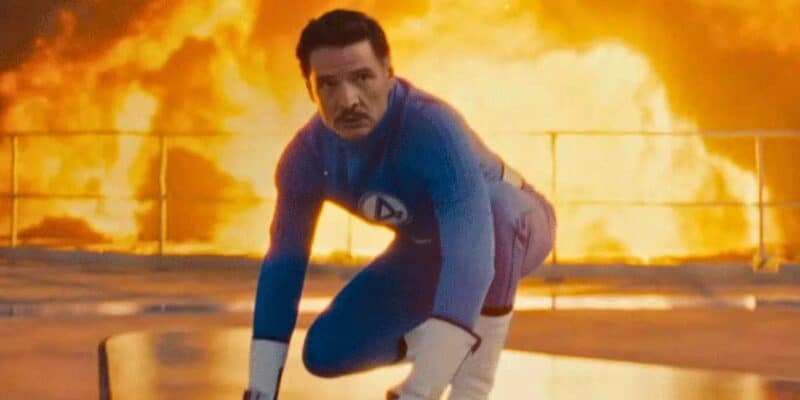
 Credit: Marvel Studios
When Bob Iger returned to lead The Walt Disney Company (DIS) in 2022 following the ousting of his own successor Bob Chapek, he turned his attention to streamlining the multi-faceted company. Now, Josh D’Amaro is doing the same.

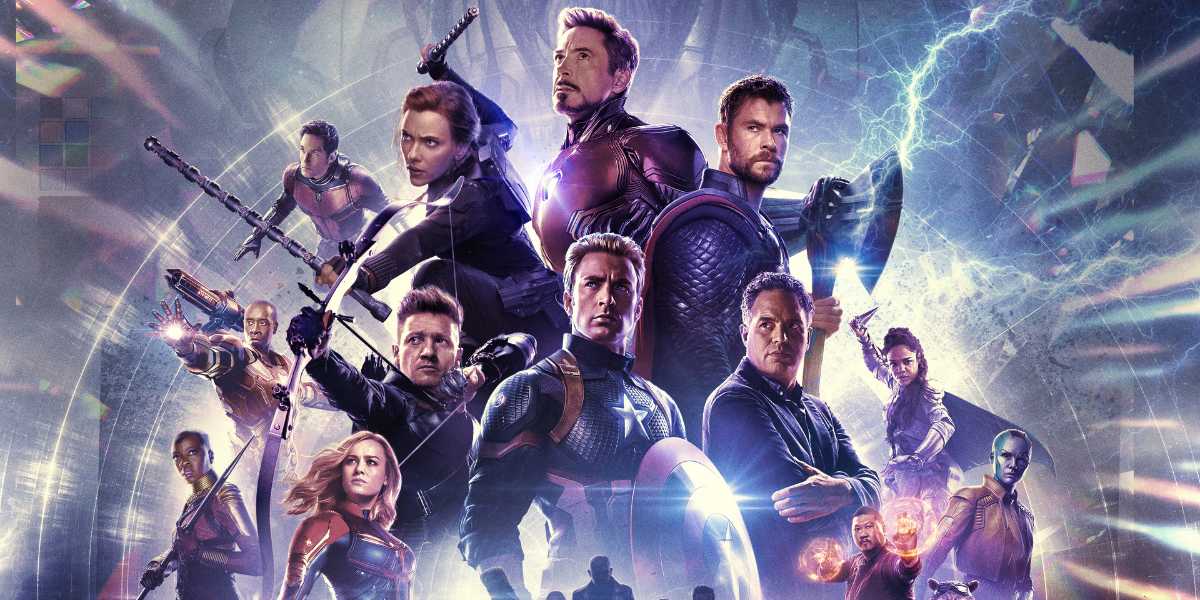
Upon his return, Iger focused on reigniting beloved animated franchises–like Toy Story and Frozen–and streamlining its subsidiary studios, namely Kevin Feige’s Marvel. Since 2021, Marvel Studios has operated in a dual space on the big and small screens. Its experiment in creating a cross-media interconnected universe largely failed, with Disney+ projects rejected by fans or missed entirely. This development pushed audiences out of theaters, where the fear of missing important information and not understanding narratives reached a fever pitch–not only that, but fans increasingly saved the ticket cost and awaited the movie on Disney+.
Following claims that Marvel was pushing out too much streaming content and focusing heavily on sequels featuring the same characters, the studio adopted a brand-new approach to content creation. As Brad Winderbaum (Head of Streaming, Television and Animation, Marvel Studios) explained in 2024, Marvel would now opt for a more traditional development format, in which not every project created would move into production.

Since then, the output of live-action Marvel content on Disney+ has reduced. So, too, has the release of feature films. While 2023 saw the release of three movies–Ant-Man and the Wasp: Quantumania (2023), Guardians of the Galaxy Vol. 3 (2023), and The Marvels (2023)–2024 had just a single debut, Shawn Levy’s Deadpool & Wolverine (2024). It’s true that last year saw a bump back up to three, but all the projects had been in motion a long time.
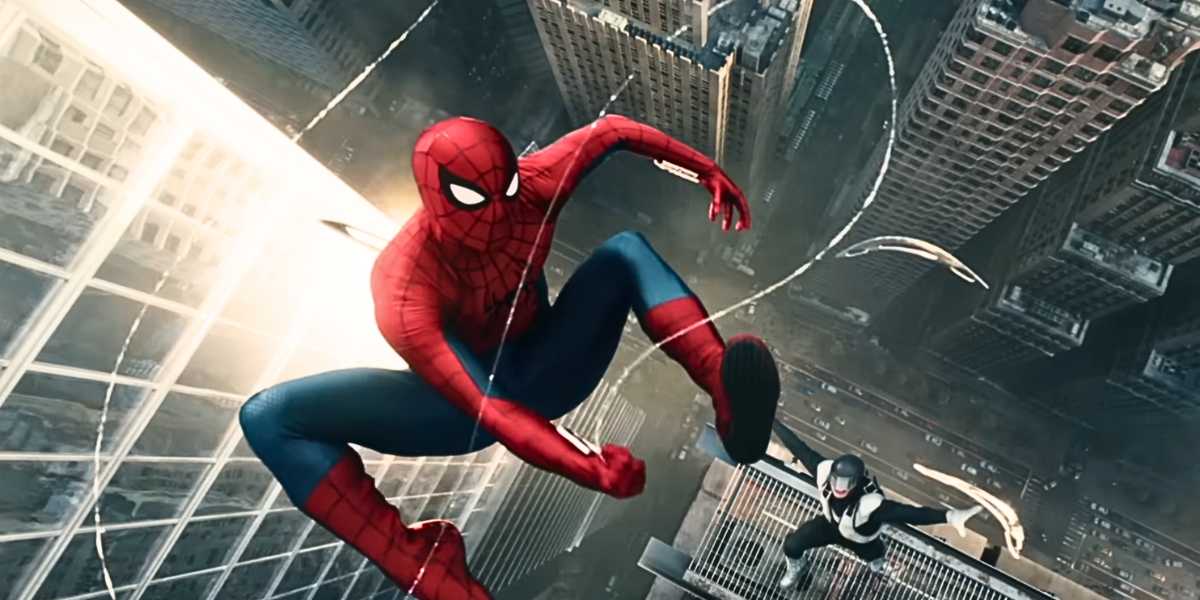
This year will see just the Sony Pictures and Marvel Studios joint venture Spider-Man: Brand New Day (2026) and the major Avengers: Doomsday (2026) event be released. Next year, there is currently only Avengers: Secret Wars (2027) on the slate. On the live-action TV front, VisionQuest is set to debut late this year, joining the already released Wonder Man and the currently airing second season of Daredevil: Born Again. It’s clear that realignment of the MCU is firmly in motion, a process that started with former CEO Bob Iger.
And Josh D’Amaro is fully leaning into this new way of working.
Disney CEO Lays Off 1,000 Employees
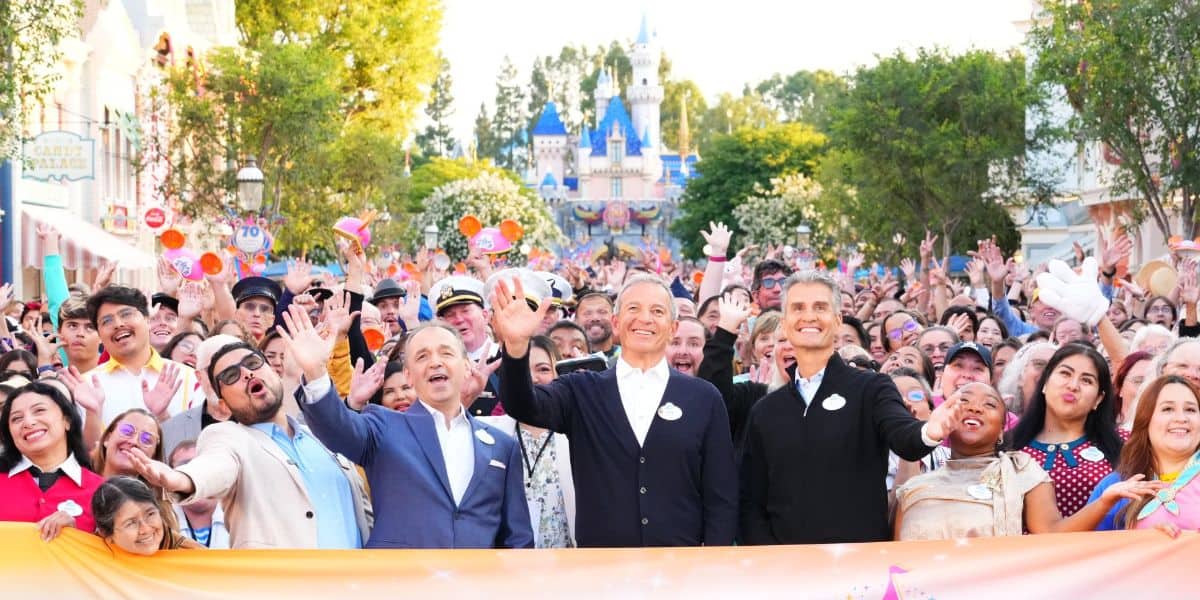
A major shift is underway at The Walt Disney Company, as CEO Josh D’Amaro has addressed a sweeping round of layoffs impacting roughly 1,000 roles across the organization. The move, which had been rumored in recent weeks, is now confirmed, with affected employees already beginning to receive notification.
In a message circulated internally and later shared publicly, D’Amaro acknowledged the difficulty of the decision, stressing that the company is approaching the process with care. While the tone of the memo emphasized empathy, the scale of the cuts highlights a significant restructuring effort currently unfolding behind the scenes.

The layoffs are said to largely target Disney’s marketing operations, though the impact stretches beyond a single division. In addition to current employees, the company is also eliminating a number of open positions, a strategy aimed at limiting deeper workforce reductions. This dual approach signals a broader recalibration of how Disney allocates resources across its global business.
According to leadership, the changes are being driven by the need to keep pace with a rapidly evolving media landscape. Advances in technology, shifting audience behaviors, and the demand for more unified brand messaging have all played a role in shaping the company’s direction. By streamlining its structure, Disney appears to be positioning itself for a more agile and centralized marketing strategy moving forward.

The timing of the decision is particularly notable given D’Amaro’s relatively recent appointment as CEO. He officially stepped into the role in early 2026, succeeding Bob Iger after Iger’s return to stabilize the company during a turbulent post-pandemic period. D’Amaro, who previously oversaw the Disney Experiences division, was widely seen as a steady internal choice to guide the next phase of growth.
This marks one of the most consequential actions of his tenure so far, underscoring a willingness to make difficult calls early on. While layoffs are never easy, they often reflect deeper strategic shifts—and in Disney’s case, a continued effort to adapt in an increasingly competitive entertainment environment.
Marvel’s New MCU Process Causes Job Losses
In new details acquired by The Wrap, it seems Marvel Studios has been heavily affected by D’Amaro’s employee cuts.
“Disney layoffs impacting 1,000 employees got underway Tuesday, affecting several entire divisions of publicity, Marvel and some noted lieutenants of Asad Ayaz, the company’s chief marketing and brand officer,” The Wrap wrote earlier this week.
Publicity departments across The Walt Disney Company suffered losses, as did the entire home entertainment team. When it came to the superhero movie studio, Disney also cut staffers.
“Marvel also felt the impact of the layoffs, although Disney disputed a report that the number of impacted reached 8%, telling TheWrap it’s ‘much smaller,'” the report notes. “The layoffs did impact Marvel employees in both Burbank and New York, across most areas of the division–film and television production, along with comics, franchise, finance, and legal.”
The reason why Marvel has lost an abundance of employees reportedly comes down to the aforementioned streamlining of production and the new version of the MCU Disney is working to build.
“TheWrap was told this was the result of an overall reduction in Marvel’s film and television production slate, artificially inflated in years past by the desire for fresh product for Disney+,” the outlet explained, “plus efficiencies from the integration of Marvel Entertainment into Marvel Studios and the aforementioned emphasis on operational efficiency and cost management.”

The fate of the billion-dollar Marvel franchise is now unknown as Disney moves forward in establishing a new way of creating and delivering MCU content.
As the company moves forward, the long-term impact of these decisions remains to be seen. However, one thing is clear: under D’Amaro’s leadership, Disney is entering a new chapter defined by transformation, efficiency, and a renewed focus on how it connects with audiences worldwide–whether fans agree with it or not.
How do you feel about the reduction in Marvel Cinematic Universe content? Let Inside the Magic know in the comments down below!