 Credit: Sony Pictures
Something big just happened in the world of Spider-Man: Into the Spider-Verse (2018), and fans are still trying to figure out how they feel about it. Sony has finally pulled back the curtain—just a little—on what’s coming next, and while the excitement is definitely there, so is a bit of hesitation. This isn’t just another routine update. It feels like a shift. The kind that makes longtime fans stop and wonder what the final chapter might really look like.
And that’s the interesting part. For a franchise that has built so much goodwill over the years, even a small change can spark a big reaction. Right now, that’s exactly what’s happening.
Sony’s Track Record With Spider-Verse
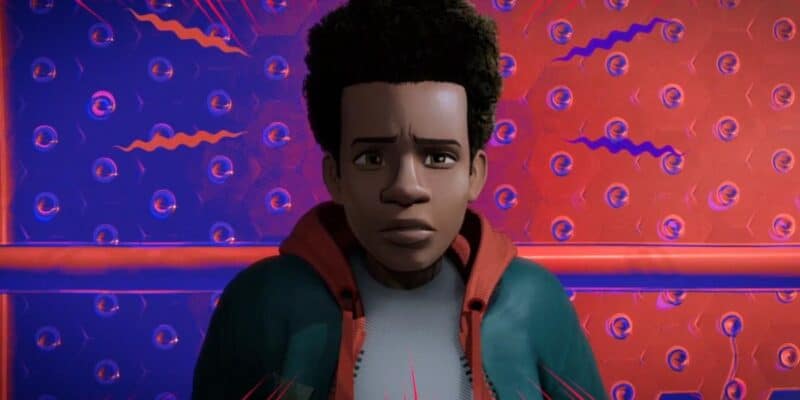
Before getting into what’s changing, it’s worth remembering just how strong this franchise has been. Spider-Man: Into the Spider-Verse (2018) didn’t just introduce audiences to Miles Morales (Shameik Moore)—it completely redefined what animated superhero movies could look and feel like. The visual style alone changed the conversation, blending comic book panels with animation in a way that felt fresh and bold.
Then came Spider-Man: Across the Spider-Verse (2023), which somehow raised the bar even higher. It expanded the story, introduced dozens of new Spider-characters, and leaned heavily into emotional storytelling. Fans didn’t just show up for the action—they connected with Miles, Gwen, and the entire Multiverse more deeply.
That’s why expectations are so high now. This isn’t just another sequel. It’s the final piece of a trilogy that has already set a new standard.
The Final Chapter Is Taking Shape
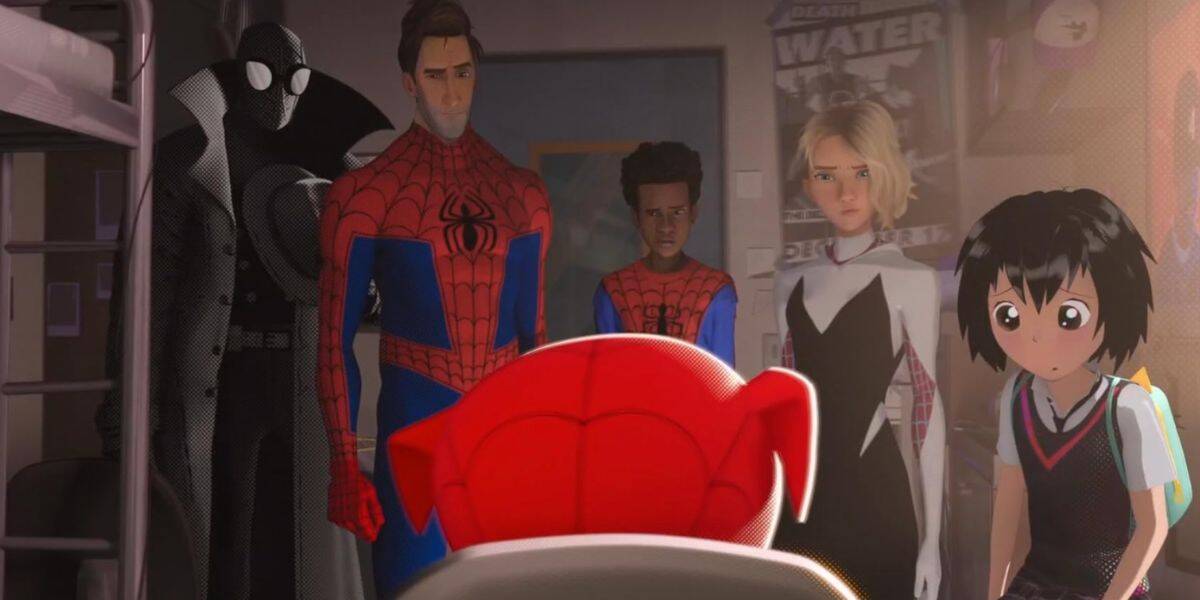
The third installment, Spider-Man: Beyond the Spider-Verse (2027), is currently in development, and it’s shaping up to be the most ambitious entry yet. The story will once again center on Miles Morales, but he won’t be alone.
Familiar faces like Gwen Stacy (Hailee Steinfeld) and Spider-Noir (Nicolas Cage) are expected to return, alongside Peter B. Parker (Jake Johnson) and others who have become key parts of this world. At the same time, the film introduces new elements tied to Earth-42, the alternate reality where things look very different from what fans are used to.
That’s where things start to get interesting—and a little complicated.

A New Look at the Story Raises Questions
Sony recently shared a preview of the film that gave fans a better sense of where the story is heading. While the footage itself hasn’t been released publicly, descriptions paint a pretty clear picture of what’s going on.
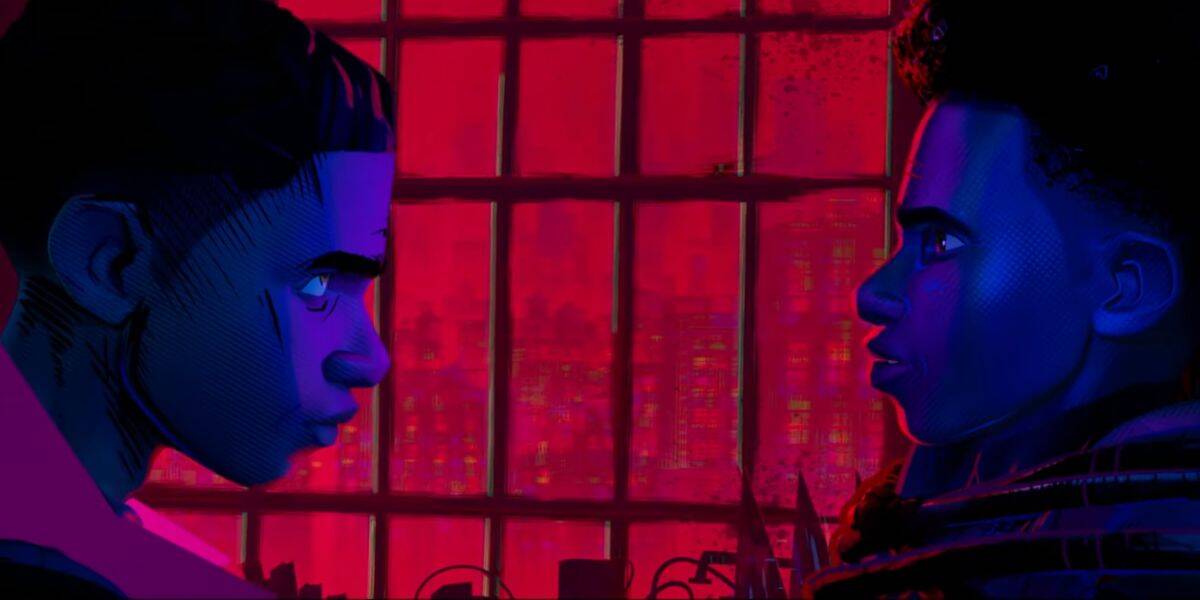
The story picks up with Miles stuck in a version of the world where Spider-Man doesn’t exist. Instead, he comes face-to-face with another version of himself—one who has taken on a much darker role. This alternate Miles, known as the Prowler (Jharrel Jerome), isn’t exactly welcoming, and the tension between the two versions of the same character quickly becomes a central conflict.
At the same time, the stakes continue to rise. Miles is racing against time to save his father, who is tied to a larger Multiverse pattern that seems impossible to break. That puts him in direct conflict with other Spider-heroes, including Miguel O’Hara, who believes certain events are meant to happen no matter what.
Gwen and several other allies are still on Miles’ side, but even with their help, the challenge feels bigger than ever. Add in the return of familiar villains like the Spot and even Kingpin, and the story starts to feel like a full-circle moment for the entire trilogy.
The tone also seems more emotional than anything we’ve seen before. The creators have hinted that this will be the most intense and personal entry yet, with Miles forced to make decisions that could change everything—not just for himself, but for the entire Spider-Verse.
Fans Are Split on the “Evil Miles” Direction
As exciting as all of that sounds, not everyone is fully on board with one particular element: the darker version of Miles Morales.
The idea of Miles facing off against an alternate version of himself is definitely compelling. It raises questions about identity, choice, and what separates a hero from a villain. But at the same time, some fans are unsure about leaning too heavily into that storyline—especially for the final chapter.
For many, Miles Morales represents something very specific. He’s hopeful, determined, and still figuring things out. Turning that character into a villain—even in an alternate universe—feels like a risky move. Some fans love the concept and see it as a natural evolution of the Multiverse story. Others worry it could take away from what made the character so relatable in the first place.
It’s not outright backlash, but there’s definitely a sense of caution. People are curious, but they’re also watching closely to see how it all plays out.

Another Change Has Fans Talking for a Different Reason
Interestingly, that’s not the only update that caught people’s attention—and this one is being received much more positively.
Sony has confirmed that Spider-Man: Beyond the Spider-Verse (2027) is currently set to hit theaters on June 18, 2027. While the film has gone through a few release date changes over time, this latest date locks it into a prime summer window.
That placement is significant. Studios tend to position their biggest releases around major weekends, and landing in mid-June gives the film plenty of runway during one of the busiest moviegoing seasons of the year.
For fans, the most important takeaway is simple: the movie has a firm date again. After a long stretch of uncertainty, that alone feels like real progress.
Sony Is Taking a Big Swing With Spider-Verse
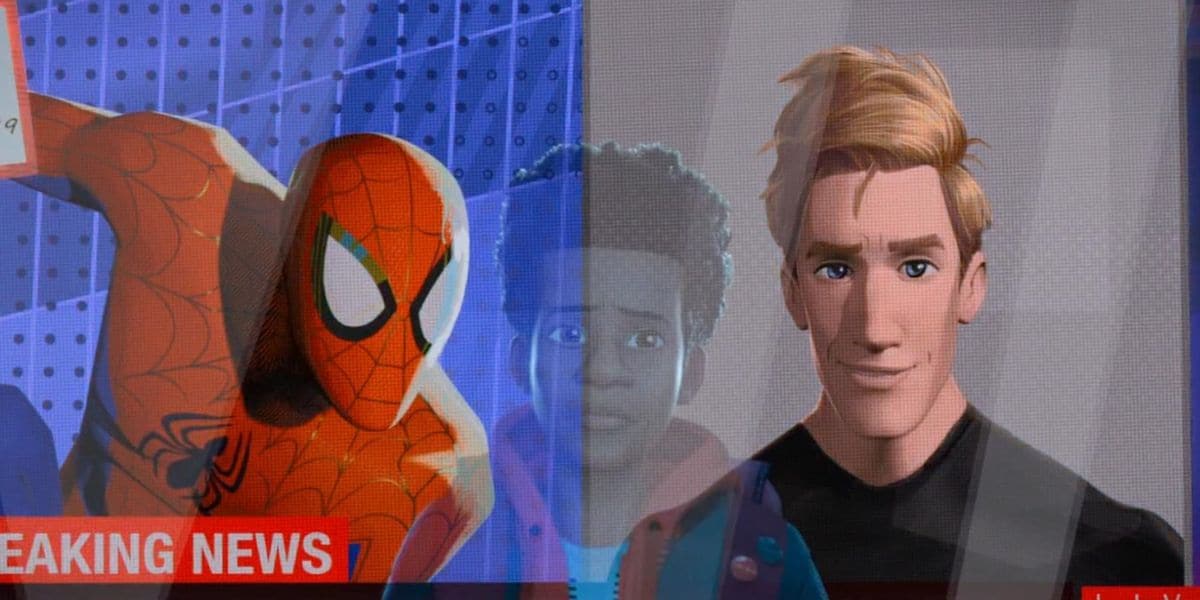
Right now, Spider-Man: Beyond the Spider-Verse (2027) feels like it’s walking a fine line—and that’s not necessarily a bad thing. The franchise has always taken risks, and that’s part of what made it so successful in the first place.
But this time, the stakes are higher. This is the ending. The choices made here will define how the entire trilogy is remembered.
The darker Miles storyline, the growing Multiverse conflict, and the emotional weight behind it all are setting the stage for something big. Whether fans fully embrace these changes or remain a little unsure, one thing is clear: people are paying attention.
And for Sony, that might be exactly the point.