 6
6
 Credit: Disney
For decades, Disney built its theme park reputation on innovation. Audio-Animatronics, trackless ride systems, projection mapping, and immersive storytelling all helped transform attractions into experiences that felt far beyond traditional amusement park rides. Among those innovations, 3D effects became a major part of the modern Disney attraction formula.
But lately, something unusual has been happening.
Without much fanfare, Disney appears to be quietly removing 3D elements from some of its rides. Guests have started noticing subtle updates that eliminate the need for the familiar 3D glasses that once defined many popular attractions.
At first glance, it might seem like a step backward. After all, 3D technology once represented the cutting edge of theme park storytelling. Yet the decision to scale back those effects isn’t happening randomly. In fact, it reflects a larger shift in how Disney approaches ride design.
And the reason behind it isn’t what many fans expected.

The Evolution of Disney Ride Technology
Disney attractions constantly evolve as technology improves. New ride systems, sharper projections, and more advanced animation techniques allow Imagineers to push storytelling even further. What felt revolutionary twenty years ago can suddenly feel outdated when newer tools arrive.
That cycle often leads to major upgrades.
Projection screens have become brighter and more detailed. Trackless ride vehicles now move with incredible precision. Motion simulators create more convincing movement without relying entirely on visual tricks. As these improvements arrive, older effects sometimes become unnecessary.
In other words, Disney doesn’t hold onto technology simply because it once impressed guests. If something better comes along, the company often redesigns the experience.
That philosophy appears to be shaping the current shift away from 3D visuals.
While 3D once helped make flat screens feel immersive, modern projection technology can now achieve similar depth without requiring special glasses. And as Disney updates its attractions, the company seems increasingly willing to leave that older layer of effects behind.

3D Has Been a Major Part of Disney Parks
For years, 3D technology has played a major role across Disney parks worldwide.
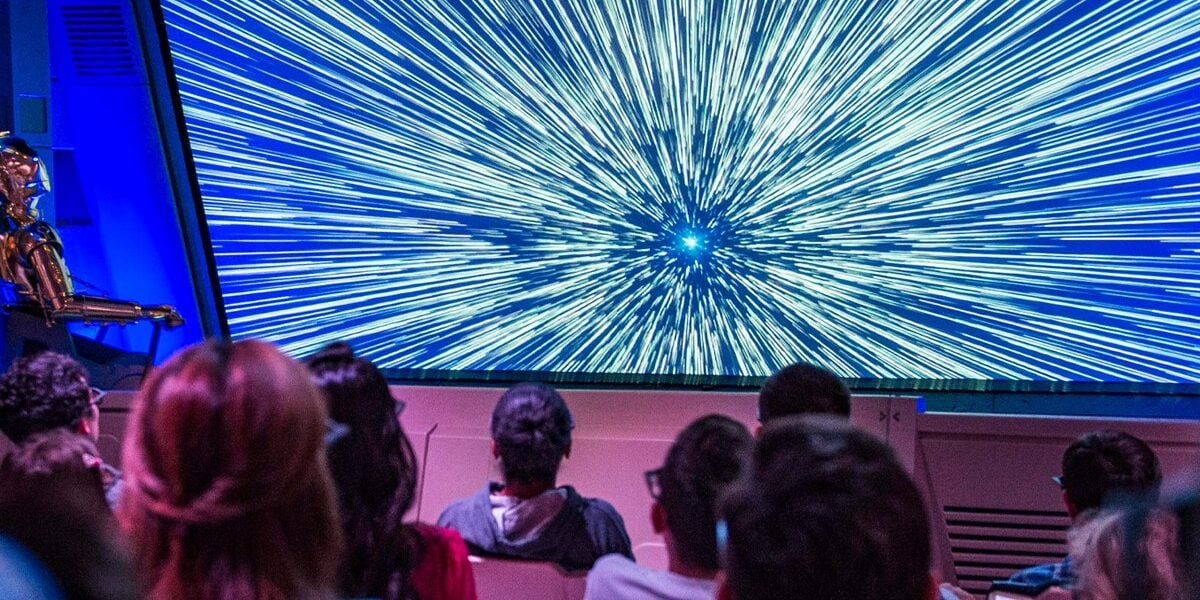
Several popular attractions still rely on the effect today. Avatar: Flight of Passage at Animal Kingdom uses 3D projection to create the illusion of soaring across Pandora. Toy Story Mania! at Hollywood Studios turns carnival-style games into a 3D shooting experience where targets appear to float in midair. Star Tours – The Adventures Continue also relies on 3D visuals to place riders inside a galactic flight simulator.
Other attractions across Disney parks have also embraced the format over the years. Theater shows, simulator rides, and interactive games often use 3D to make digital environments feel more dynamic.
Because of that history, many fans assumed 3D would remain a permanent fixture of Disney attraction design.
Yet recent changes suggest Disney may be reconsidering the technology’s future.
EPCOT Ride Drops the Glasses
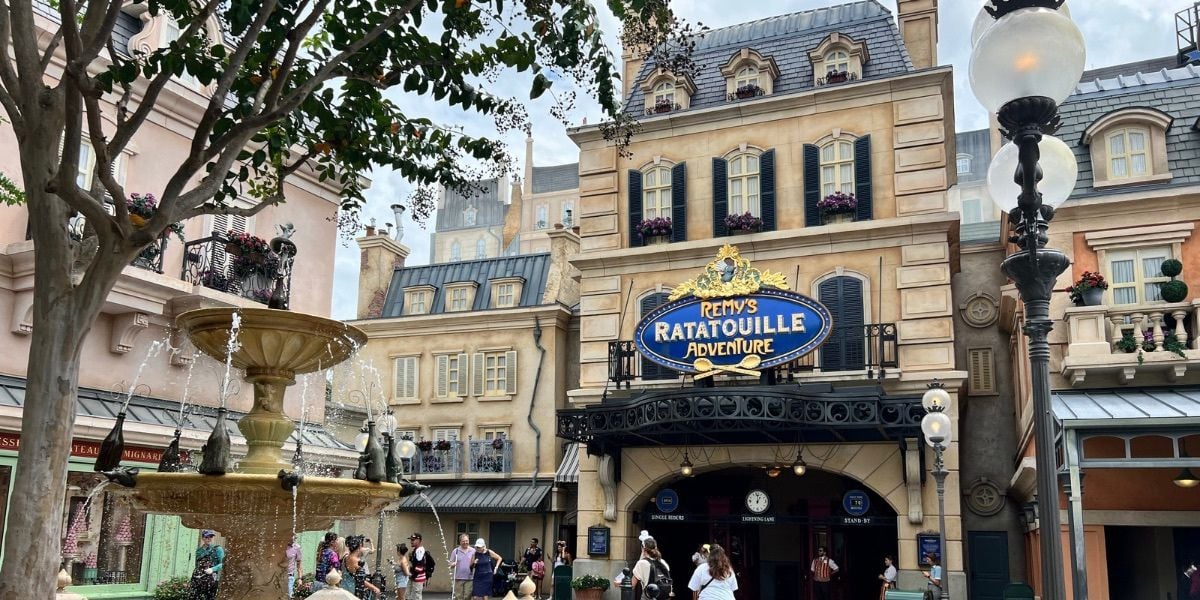
One of the clearest signs of this shift appeared at EPCOT’s iconic ride, Remy’s Ratatouille Adventure.
When the attraction first opened, guests boarded trackless ride vehicles and wore 3D glasses as they followed Remy through a chaotic kitchen adventure. The effect helped make oversized props and digital screens feel larger-than-life.
But the ride recently received an update that removed those glasses entirely.
Now, guests can experience the attraction without 3D eyewear. The visuals still rely on projection screens and physical sets, but the presentation has been adjusted so the story works without the added layer of 3D depth.
For many visitors, the change came as a surprise.
Removing the glasses simplifies the ride experience, but it also raises an interesting question. If Disney can successfully adjust an attraction like Remy’s Ratatouille Adventure to work in two dimensions, could other rides follow the same path?
That possibility has sparked a wave of speculation among fans.
Motion and 3D Can Make Guests Feel Sick
One of the biggest reasons to rethink 3D effects may be guest comfort.
While many riders enjoy the added immersion of 3D visuals, the combination of motion and stereoscopic imagery can also cause discomfort. Attractions that move, tilt, or simulate flying already challenge the body’s sense of balance. Adding layered 3D visuals can intensify that sensation.
For some guests, the result is nausea.
Even people who normally handle motion simulators well sometimes feel dizzy when 3D glasses are involved. The brain receives conflicting signals between what the eyes see and what the body feels.
Theme park designers have been studying this issue for years. If removing 3D effects helps more guests enjoy an attraction comfortably, the trade-off may be worth it.
By simplifying visuals while maintaining strong storytelling, Disney can make rides more accessible to a wider audience.
Sanitation Plays a Role
Another factor quietly influencing the decision involves sanitation.
Shared 3D glasses require constant cleaning and distribution. Cast members collect them after each ride cycle, sanitize them, and prepare them for the next group of guests. That process adds an extra operational step to every attraction using the technology.
In a busy theme park environment, those steps matter.
Even with strict cleaning procedures, some guests feel uneasy about wearing eyewear that hundreds of other riders have used throughout the day. That concern grew stronger during the pandemic, when cleanliness became a major focus in public spaces.
By eliminating glasses, Disney removes that worry from the experience. Guests simply board the attraction and enjoy the ride without any extra equipment.
It’s a small change that can make the process feel more seamless.

Practical Maintenance Matters
There’s also a practical side to the shift.
3D systems rely on precise calibration between projection screens and specialized eyewear. If the alignment drifts even slightly, the effect can look blurry or uncomfortable for riders. Maintaining that balance requires ongoing adjustments and technical oversight.
Screens themselves also age over time.
When projection surfaces begin to degrade or lose brightness, the illusion of 3D depth becomes harder to maintain. Instead of investing heavily in maintaining older systems, Disney may find it easier to redesign attractions around modern high-resolution projections that don’t require glasses.
Removing the extra layer of technology simplifies maintenance. It reduces moving parts, lowers operational costs, and allows engineers to focus on the ride systems themselves.
For a company managing dozens of complex attractions across multiple parks, efficiency matters.

A New Direction for Disney Attractions
The gradual shift away from 3D doesn’t mean Disney is abandoning immersive storytelling. In many ways, it reflects the opposite.
As projection technology improves, designers can create richer environments without relying on special eyewear. High-definition screens, physical sets, and sophisticated lighting now provide depth that once required stereoscopic effects.
The experience becomes more natural for guests.
Riders no longer have to adjust glasses, worry about them slipping during motion sequences, or struggle with blurry visuals if the lenses don’t sit correctly. Instead, the story unfolds seamlessly within the environment.
Whether Disney continues removing 3D effects from additional attractions remains to be seen. But the early signs suggest the company is carefully reconsidering how much the technology still adds to the experience.
What once felt futuristic may now be giving way to something simpler.
And in the constantly evolving world of theme parks, even a move from 3D back to 2D can represent the next step forward.