 6
6
 Credit: Inside The Magic
In the high-stakes theater of corporate boardrooms, the battle for the “soul” of The Walt Disney Company has reached a fever pitch. As we move through the 2026 proxy season, the House of Mouse finds itself entangled in a new kind of culture war—one where shareholders aren’t just fighting for dividends, but for the direction of the company’s political checkbook.
On March 18, 2026, a significant chapter in this saga concluded when a conservative activist group officially lost its quest to force Disney into a “charitable congruency” agreement. The goal? To ensure that if Disney gave money to progressive causes, it was legally or procedurally mandated to cut equal checks to conservative powerhouses like Turning Point USA (TPUSA).
Here is the deep dive into how Disney dodged a conservative funding coup, the group behind the move, and what this means for the future of “anti-woke” investing.
The Proposal: “Charitable Congruency” or Political Rebalancing?
The conflict began when the National Center for Public Policy Research (NCPPR), a conservative think tank and frequent thorn in the side of Fortune 500 companies, submitted a shareholder proposal for Disney’s 2026 Annual Meeting.

The proposal was framed as a demand for “transparency and congruency.” The NCPPR argued that Disney’s charitable giving had become lopsided, heavily favoring organizations that align with “woke” ideologies while ignoring or “blacklisting” conservative organizations. They specifically cited Turning Point USA, the organization led by Charlie Kirk, as a group that represents the values of a massive portion of Disney’s customer base—values they claimed Disney was actively alienating.
The NCPPR’s logic was simple: If Disney supports groups that advocate for gender identity education or environmental justice, it must also support groups that advocate for free-market capitalism, traditional family values, and limited government.
The Turning Point USA Factor
Why was Turning Point USA the lightning rod for this proposal? As one of the fastest-growing conservative organizations in the United States, TPUSA has become synonymous with the “New Right.” Its presence on college campuses and its massive social media reach make it a formidable cultural force.
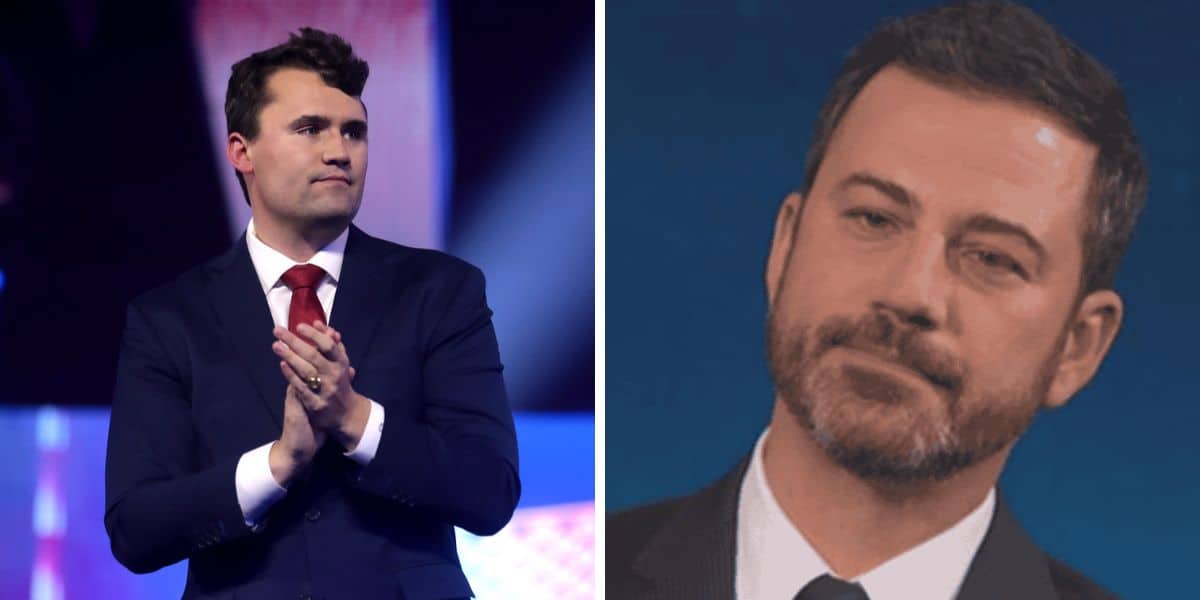
For activist shareholders, TPUSA represented the ultimate test for Disney. By forcing Disney to fund an organization that is often at odds with the company’s internal Diversity, Equity, and Inclusion (DEI) initiatives, the NCPPR hoped to expose what they called Disney’s “hostility toward half of its audience.”
To the Disney board, however, TPUSA represented a brand risk. The organization’s aggressive rhetoric and controversial stances on various social issues were viewed as incompatible with the “broad-based, family-friendly” image that CEO Bob Iger has been desperately trying to restore following years of political turbulence.
Disney’s Defense: The SEC and the “Ordinary Business” Loophole
Disney didn’t just ignore the proposal; they fought it with surgical precision. The company appealed to the Securities and Exchange Commission (SEC) to exclude the proposal from its proxy materials.

Disney’s legal team argued that the proposal interfered with the company’s “ordinary business operations.” According to Disney, the selection of which charities to support is a fundamental management function that shareholders should not micromanage.
Furthermore, Disney noted that it already provides comprehensive reports on its charitable giving and political contributions. They argued that the NCPPR was not seeking transparency, but rather trying to use the shareholder process to steer corporate funds toward a specific political agenda—an act they claimed would be a breach of fiduciary duty to the broader shareholder base.
The Shareholders Ruling: A Victory for the Board
In a decision that sent ripples through the activist investor community, the shareholders sided with Disney. The shareholders agreed that the proposal’s attempt to dictate specific recipients or “congruency” standards for charitable giving fell under the umbrella of ordinary business.
The proposal was shot down by Disney shareholders, receiving less than one percent support. For the NCPPR and its supporters, it was a stinging defeat. They argued that the shareholders were “protecting the left-wing bias of corporate elites” and vowed to take their fight to the courts and the halls of Congress.
The Broader Context: Bob Iger’s “Quiet” Pivot
This battle did not happen in a vacuum. It is the latest skirmish in a war that began in 2022, when Disney’s public opposition to Florida’s “Parental Rights in Education” bill triggered a vengeful response from Governor Ron DeSantis and a subsequent dip in the company’s stock price.

Since returning as CEO, Bob Iger has made it his mission to “quiet the noise.” In various town halls and investor calls throughout 2024 and 2025, Iger has reiterated that Disney should not be a “political protagonist.”
However, as the NCPPR’s proposal shows, “being quiet” isn’t enough for some. Conservative investors are no longer satisfied with Disney simply stopping its progressive advocacy; they want an active “rebalancing” of the company’s influence.
The Financial Stakes of Political Neutrality
Investors are watching closely. Disney’s stock has shown signs of recovery in early 2026, largely due to the success of its film slate and a $60 billion expansion plan for its parks. Many institutional investors—the big banks and pension funds—view these political proposals (from both the Left and the Right) as distractions from the bottom line.
Wall Street saw the rejection of Turning Point USA’s funding request as a victory for corporate stability.
What’s Next? The 2026 Annual Meeting and Beyond
While the quest to force TPUSA donations has failed for now, the pressure on Disney is far from over. Other proposals regarding AI ethics, pay equity, and content oversight are still on the table.

Moreover, the NCPPR has signaled that it will pivot its strategy toward “de-banking” and “de-funding” narratives, pressuring Disney’s financial partners and advertisers to look at the company’s “ideological risk.”
Disney leadership is walking a razor-thin wire. They must satisfy a creative workforce that leans progressive, a shareholder base that demands neutrality and profit, and a vocal segment of the public that is ready to pounce on any perceived “woke” slip-up.
One thing is certain: Mickey Mouse’s checkbook will remain one of the most scrutinized documents in American business. For now, Turning Point USA won’t be seeing a dime of Disney’s “magic,” but the debate over where that money should go is only getting started.
Do you think corporations should be forced to balance their charitable giving between liberal and conservative groups? Or should management have total control over the checkbook? Let us know in the comments below.