

 Credit: Marvel Studios
A senior Marvel Studios executive has confirmed a significant shift in how the Marvel Cinematic Universe operates, signaling the end of the approach that defined the franchise for more than a decade.

Marvel Studios has long been one of Hollywood’s most reliable hitmakers, with Kevin Feige overseeing an expansive interconnected universe that delivered consistent box office success. However, cracks began to show during the pandemic era, particularly as the studio expanded aggressively into Disney+ television.
The launch of WandaVision in January 2021 marked Marvel’s first major step into serialized storytelling. Led by Elizabeth Olsen (Wanda Maximoff/Scarlet Witch) and Paul Bettany (Vision), and featuring Kathryn Hahn’s breakout turn as Agatha Harkness, the series was widely embraced and demonstrated the potential of streaming within the MCU.

But not every project matched that level of reception. Over time, both Disney+ series and theatrical releases drew increasing criticism. Films like Ant-Man and the Wasp: Quantumania (2023) and The Marvels (2023) struggled with audiences and critics, with the latter becoming the lowest-performing entry in franchise history. More recent 2025 releases, like Captain America: Brave New World (2025) and Thunderbolts* (2025), also struggled financially.
While some have pointed to superhero fatigue, former Disney Chief Executive Officer Bob Iger rejected that explanation. Speaking in 2024, Iger reiterated that quality—not quantity—is the key factor. “Sequels typically worked well for us,” he said. “[But] do you need a third and a fourth, for instance? Or is it time to turn to other characters?”

When he returned to Disney in 2022, Iger pushed for a recalibration across Marvel’s slate. Several projects were delayed, leaving Deadpool & Wolverine (2024) as the studio’s only theatrical release in 2024. The reduced output reflected a broader strategy shift aimed at refining the brand.
Compared to the packed release schedule of Phase Four—which delivered 17 projects in just two years—2024 represented a dramatic slowdown, underscoring Marvel’s effort to rebuild audience trust.

Brad Winderbaum, Head of Streaming, Television, and Animation, confirmed that a new development model is in place. He explained that Marvel is adopting a more traditional studio approach, where not every project in development moves forward.
“We have a new system behind the scenes at Marvel Studios,” Winderbaum said in 2024. “We’re more like a traditional studio now; we’re developing more than we actually will produce…” The shift means that while multiple ideas may be explored, fewer will ultimately reach production, with a stronger emphasis on quality control. That is, a number of projects will be stripped from the deck and end up on the cutting room floor.
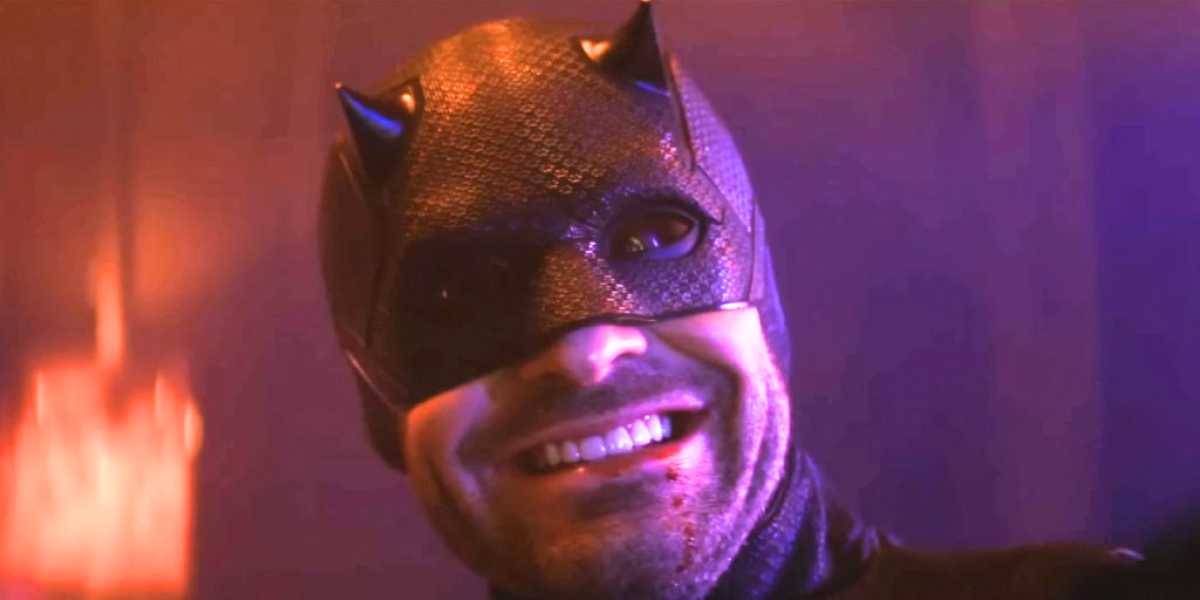
These changes follow earlier adjustments within Marvel’s television division. After concerns surrounding Daredevil: Born Again (which begins its second season next week), the series underwent a creative overhaul, leading to a broader restructuring of how Marvel develops its shows. Moving forward, projects will feature dedicated showrunners and more flexible storytelling structures, rather than fixed episode counts.
Another key initiative was the introduction of Marvel Spotlight, a label designed to highlight stories that exist outside the central narrative arc. Projects under this banner, including Echo and the acclaimed Wonder Man, are intended to be more accessible to viewers who may not be fully invested in the wider MCU.
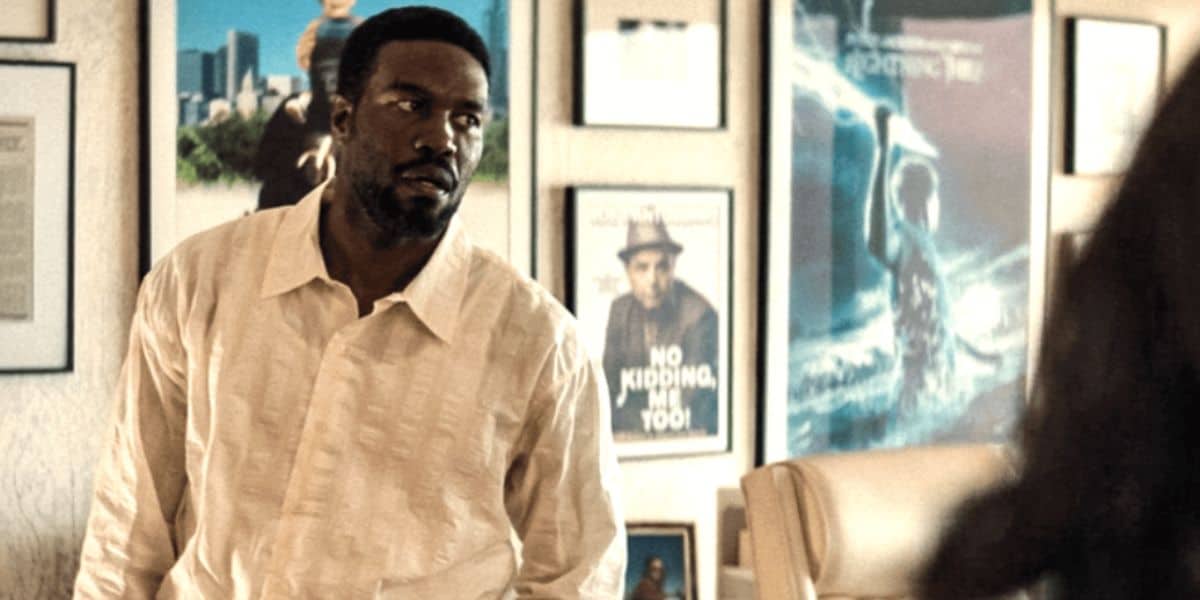
Winderbaum explained the concept ahead of Echo’s debut: “Just like comics fans didn’t need to read Avengers or Fantastic Four to enjoy a Ghost Rider Spotlight comic, our audience doesn’t need to have seen other Marvel series to understand what’s happening in [Maya Lopez’s] story.”
Now, over a year on from his comments on the MCU Disney+ restructuring, Winderbaum doubled down on this new chapter for the Mouse House’s streaming service. Speaking last October ahead of the release of Wonder Man, Winderbaum commented on how Disney+ is now “different” for the studios.

“It’s a different time at Disney+,” Winderbaum told Entertainment Weekly. “The original shows were created as limited series with characters that could bounce back and forth between the movies and TV shows. That made it challenging to make season 2s because the deal structure became really expensive, frankly. So we started developing shows that could last for multiple seasons. Daredevil, we’ve now greenlit the third season, that’ll come out annually. X-Men ’97, [Your] Friendly Neighborhood Spider-Man, they’ll come out annually for a number of years.”
He added, “But there are shows that were caught in the middle. I would put Marvel Zombies on that list, I’d put Wonder Man on that list where we have to see. Season 2s could be on the table if people watch. If it’s the only Wonder Man story, it really stands on its own as a beautiful piece. But I anticipate that when people get to the end of this story, they’re gonna want more. And I hope that’s what happens.”

It’s not just the streaming arena that is being recalibrated. Marvel Studios, days after Josh D’Amaro was elevated to the CEO position at The Walt Disney Company, has restructured its upcoming theatrical slate, with a number of slots now catering to different movie releases.
These shifts come as Marvel is preparing to debut both Spider-Man: Brand New Day (2026) and Avengers: Doomsday (2026) later this year. For now, however, the studio appears focused on resetting its strategy—trading volume for a more measured, curated approach as it looks to redefine the future of the MCU.
How do you feel about this different version of Disney+ when it comes to Marvel projects? Let Inside the Magic know in the comments down below!