
 Credit: Disney
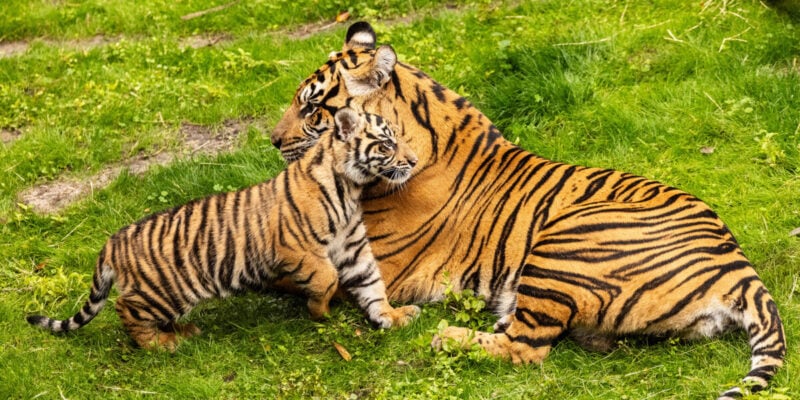
Bakso, the first Sumatran tiger cub born at Disney’s Animal Kingdom in seven years, has grown up and is now independent at over 18 months old. He has been separated from his mother, Sohni, allowing guests to see him solo in the Maharajah Jungle Trek. This marks a significant milestone in his development, as male Sumatran tigers typically leave their families at this age to establish their own territory. Disney ensures animals are ready for independence before introducing them to guests.
With fewer than 400 Sumatran tigers left in the wild, Bakso’s birth is crucial for conservation efforts. Prior to his arrival, Animal Kingdom housed only two Sumatran tigers, his parents, Sohni and Conrad. Male tigers like Conrad are kept separate from their mothers and cubs to reduce risks during the early developmental stages.
Bakso’s Journey to Independence
On September 26, 2024, Sumatran tiger Sohni gave birth to Bakso, a big moment for those who worked at Animal Kingdom and for Disney fans around the world who had been following the pregnancy and anticipating the arrival of a new tiger cub at the Orlando theme park. Of course, Bakso and his mother needed time to bond, and he needed time to grow before he could be taken to the Maharajah Jungle Trek and seen by fans eager to catch a glimpse of the adorable cub, but who understood that Disney prioritizes animal welfare over guest demands for immediate viewing access.
Finally, on January 29, 2025, Disney surprised everyone when it finally allowed Bakso into the tiger area of the Jungle Trek, where guests could see him, with fans being thrilled as videos of the adorable cub quickly began making the rounds on social media platforms, including TikTok, Instagram, Facebook, and Twitter. Guests immediately began heading to Animal Kingdom to see Bakso, creating unprecedented demand for access to the Maharajah Jungle Trek, which typically does not draw the massive crowds that popular rides like Avatar Flight of Passage or Expedition Everest do.
The Overwhelming Popularity of Bakso the Tiger
Due to Bakso’s immense popularity, the Maharajah Jungle Trek faced an influx of guests, with lines forming long before the area opened, which is usually an hour after Animal Kingdom opens. Cast members can only permit a limited number of guests in the viewing area to prevent overcrowding and ensure the animals’ safety, leading to waits of over an hour to enter the tiger viewing area.
This situation is unusual for Animal Kingdom, where waits typically occur for rides and shows rather than animal viewing opportunities, highlighting the extraordinary appeal of baby animals. Since Bakso was very young when he debuted, handlers sought to manage his exposure to large crowds to help him adjust to his new environment.
What Happens Next for This Young Tiger
According to his caretakers, Bakso will stay with his mom for 1.5 to 3 years before he is old enough to breed. The 18-month mark is the younger end of that timeline. This is why Disney has allowed him to appear independently without his mom’s constant supervision. Once Bakso reaches the right age, Disney will work with other zoos that are members of the Association of Zoos and Aquariums to find a genetically compatible female tiger for him to breed with. This will help maintain genetic diversity and population numbers for critically endangered Sumatran tigers.

Bakso won’t be the only tiger Disney will try to breed. After he leaves Sohni’s side and potentially moves to another facility, Disney will see if Conrad and Sohni want to breed again to have more cubs that can help the species survive. Since Conrad is only interested in breeding, he cannot be near the mother and her cub. If he is, he might hurt Bakso while Sohni is caring for him. They will separate until Bakso is fully independent.
There’s no guarantee Conrad and Sohni will breed again. This means the tigers might not stay at Animal Kingdom if breeding doesn’t occur or if the park decides they would do better elsewhere. When he is old enough, Bakso may also be sent to a different zoo to breed with a suitable female. The AZA breeding programs help move animals between facilities to improve genetic diversity and breeding success. They do not keep all animals in one place permanently.
Where to See Bakso the Tiger
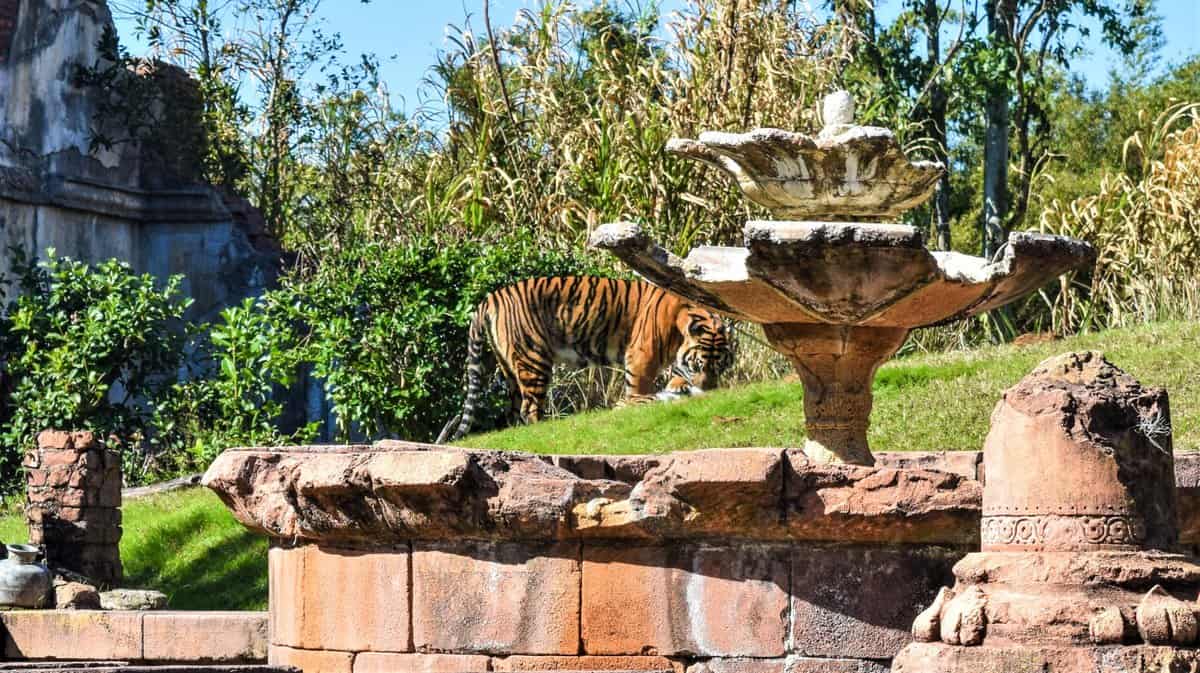
Guests can check in on Bakso, a Sumatran tiger, along the Maharajah Jungle Trek in Animal Kingdom’s Asia section. This walking trail features a diverse range of animals, including over 50 bird species, gibbons, and komodo dragons. The trek usually opens an hour after the park opens, and early arrival is advised to see Bakso, who continues to attract crowds despite having grown beyond his initial cub stage. His name, inspired by Indonesian meatballs, connects to the region where Sumatran tigers live. Bakso is part of a vital conservation effort, as fewer than 400 Sumatran tigers remain in the wild, and only three are at Animal Kingdom.
The Conservation Context
Walt Disney was a passionate conservationist, and Animal Kingdom really embraces that legacy through programs that work with zoos around the world to help breed critically endangered animals. And while Animal Kingdom is technically a zoo, it is so much more than that, combining traditional zoo functions of animal care and breeding with theme park entertainment, educational messaging about conservation, and immersive theming that create engaging guest experiences while advancing wildlife protection missions.
The park opened in 1998, giving guests a whole new way to get up close to exotic animals while teaching visitors about things like poaching and deforestation, positioning itself as not just a place to see giraffes and lions but rather a place where guests learn about how to protect animal habitats and keep population numbers up. Bakso’s birth and development represent tangible examples of conservation efforts in action, allowing guests to witness the results of carefully designed breeding programs designed to ensure species survival.