
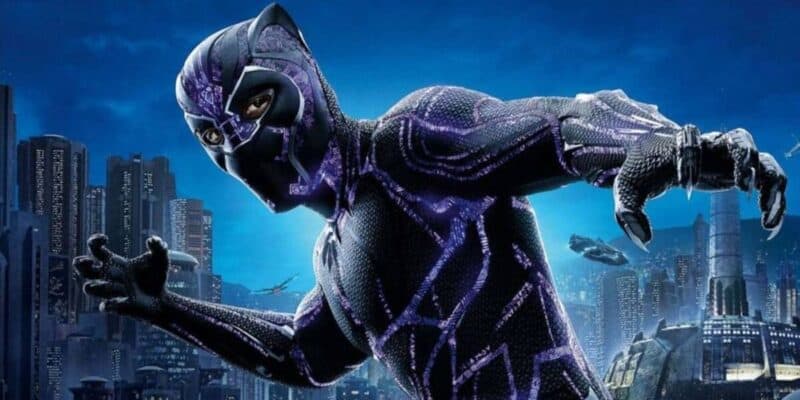
 Credit: Marvel Studios
With a new person at the head of The Walt Disney Company, a record-breaking Marvel trailer, and interesting developments on the MCU release calendar, this week has been an eventful one for the global entertainment giant.

Last year, Marvel Studios officially kicked off Phase Six with Matt Shakman’s The Fantastic Four: First Steps (2025). Led by a high-profile cast including Pedro Pascal and Vanessa Kirby as Reed Richards/Mister Fantastic and Sue Storm/Invisible Woman, respectively, Marvel’s First Family made a respectable dent in the box office, with the characters returning in this December’s blockbuster Avengers: Doomsday (2026).
While going head-to-head with Denis Villeneuve’s Dune: Part Three (2026) on December 18 has raised concerns (especially because the Warner Bros. tentpole has three weeks of IMAX exclusivity), industry players are positioning Marvel’s fifth Avengers movie to be the biggest of the year, likely joining the $1 billion club during its theatrical run.
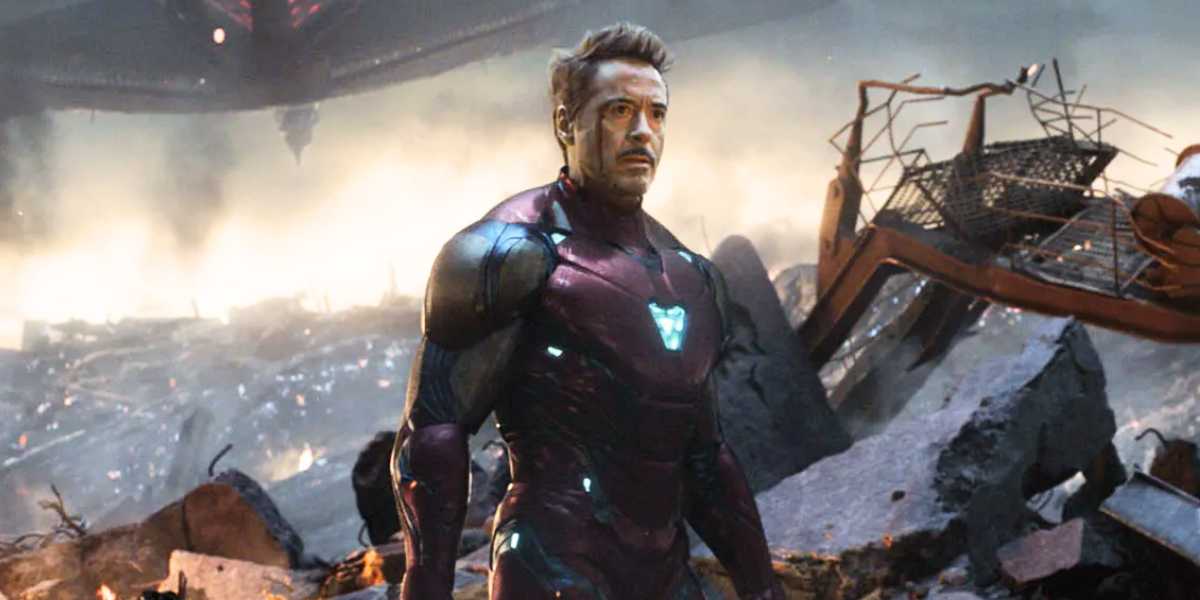
From the Russo Brothers, Avengers: Doomsday assembles a massive cast of legacy and newer MCU and 20th Century Studios heroes in a fight against Robert Downey Jr.’s Victor Von Doom, AKA Doctor Doom. Plot details remain tightly held, but many expect this to follow some Multiversal/incursion trajectory that ends with the cast meeting at Battleworld ahead of 2027’s Avengers: Secret Wars.
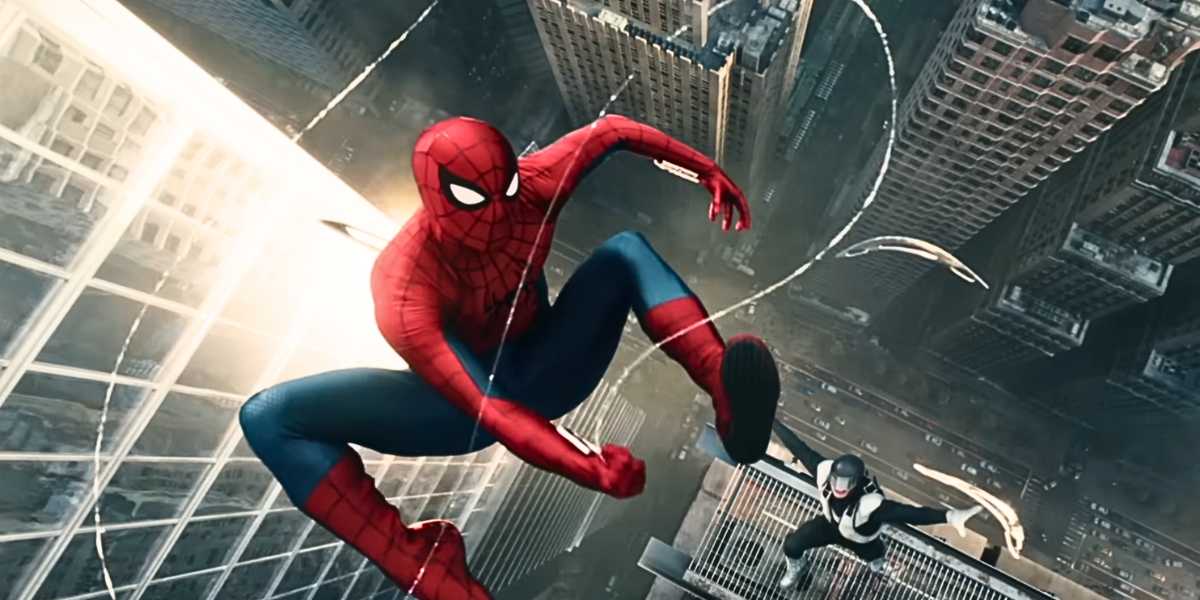
Ahead of Doomsday, Marvel and Sony will team back up for a street-level adventure with the Friendly Neighborhood Spider-Man. Tom Holland’s return as Peter Parker in the trailer for Spider-Man: Brand New Day (2026) broke records and will be a major player in the summer release corridor.
With Brand New Day, Doomsday, and Secret Wars all incoming, it’s an exciting time for MCU fans. But what about after? What has Disney and Marvel got lined up? Well, all that just changed.
Disney and Marvel Update Release Calendar
Marvel Studios’ long-term theatrical future has always been a carefully constructed puzzle, but over the last 18 months, that puzzle has been repeatedly taken apart and rebuilt in real time. What once looked like a clear roadmap for the post-Avengers: Secret Wars era is now something far more fluid—arguably more strategic—but also far more mysterious.
Back in late 2024, the initial outline for what many believed to be the start of Phase Seven appeared straightforward. As first reported, Marvel had quietly slotted three untitled films for 2028, landing on February 18, May 5, and November 10. These dates mirrored the studio’s familiar release cadence—early year, summer kickoff, and holiday window—suggesting a return to a rhythm fans had come to expect during the Infinity Saga and beyond.

At the time, the assumption was simple: these three films would represent the opening salvo of a brand-new saga following the Multiverse-ending events of Avengers: Secret Wars in 2027. With Phase Six concluding in explosive fashion—and with projects like Avengers: Doomsday already reshaping the MCU’s villain hierarchy around Doctor Doom—it seemed logical that Marvel would hit the ground running with a tightly packed trio of releases.
Fast forward to 2026, and the picture has changed significantly.

According to updated release information per Deadline, Marvel’s once tidy 2028 slate has been reshuffled. The February 18 release has now been pushed to July 28, 2028, while the previously scheduled November 10 slot appears to have been removed altogether. In its place, the year now looks less like a three-film structure and more like a staggered rollout—likely reflecting Disney’s broader shift toward fewer, more eventized releases.
And perhaps more notably, Marvel has now added two entirely new dates in 2029—May 4 and July 13—effectively extending what fans once thought was a 2028-focused Phase Seven launch into a two-year runway. This is where things get particularly interesting.
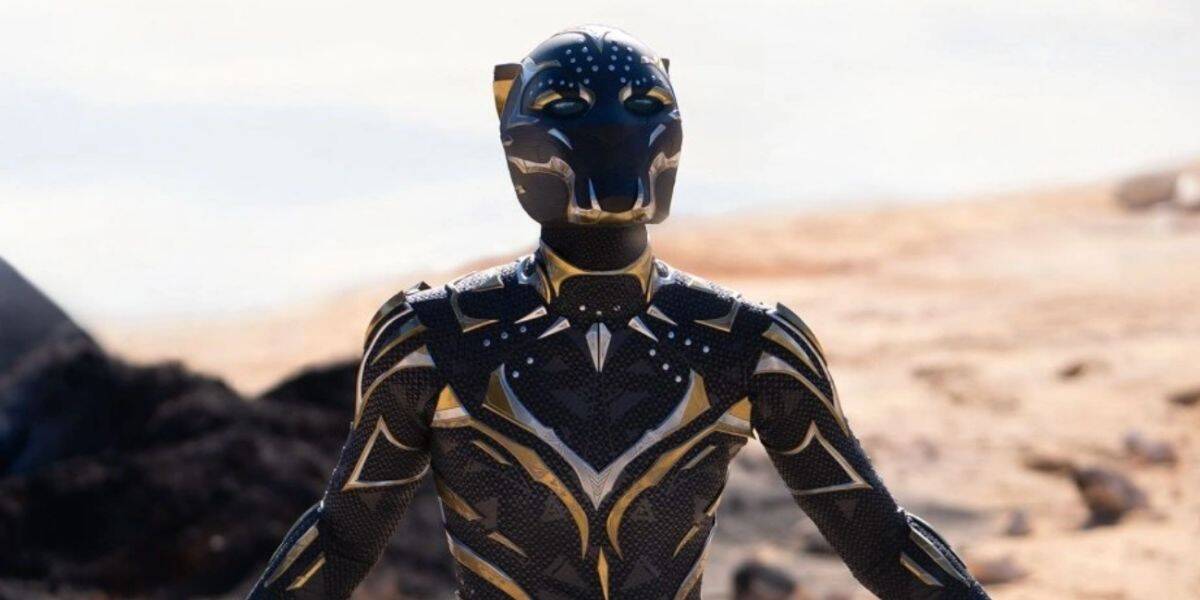
Reports from Murphy’s Multiverse and similar outlets suggest that one of the films originally pegged for early 2028 has effectively been repositioned—and all signs point to Black Panther 3 as a likely candidate for that July 2028 slot. That would make strategic sense: a Wakanda-centric sequel carries both narrative weight and box-office reliability, making it an ideal anchor for a restructured slate.
If we compare the two versions of the schedule side by side, the evolution becomes clear:
Original MCU Plan (2024):
- February 18, 2028
- May 5, 2028
- November 10, 2028
Updated MCU Plan (2026):
- May 5, 2028 (unchanged—for now)
- July 28, 2028 (moved from February)
- May 4, 2029 (new)
- July 13, 2029 (new)
What was once a tight, predictable three-film rollout has become a broader, more flexible framework—one that gives Marvel significantly more breathing room. Notably, the November 10, 2028, slot has been entirely scrapped; instead, that will be for an untitled Disney movie. Another Disney movie will also take the February 18, 2028, slot. But what actually fills these openings?

Looking at the wider MCU landscape, there are several strong contenders. Ryan Coogler’s aforementioned Black Panther 3 feels almost locked for one of the 2028 dates, especially given its continued development and narrative importance post-2022’s Black Panther: Wakanda Forever.
Meanwhile, long-gestating projects like Shang-Chi 2, Armor Wars (which is reportedly all but dead), and even the highly anticipated X-Men reboot could easily occupy the remaining positions.
The May 2028 slot, traditionally reserved for a big early summer tentpole, could be the perfect landing spot for something like X-Men—a franchise reboot that would redefine the MCU’s future. Meanwhile, the newly added 2029 dates could serve as a second wave of Phase Seven storytelling, potentially housing sequels or crossover-driven projects that build on whatever new status quo emerges after 2028.
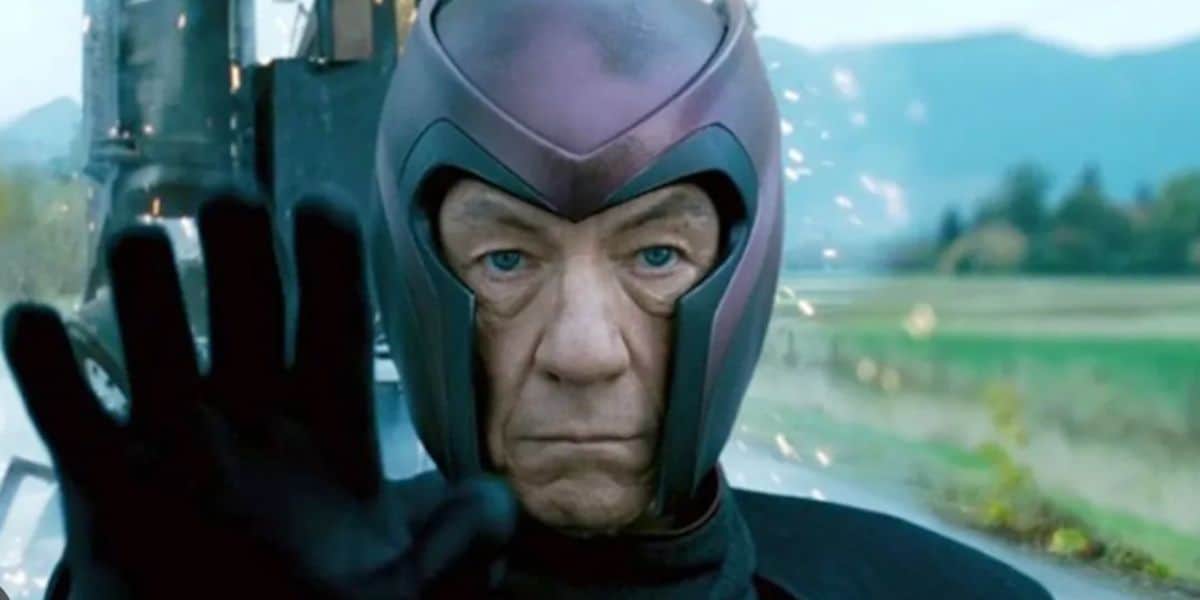
There’s also a broader strategic shift at play. Disney’s recent slate adjustments—across Marvel, Pixar, and beyond—suggest a move away from volume and toward reliability. Instead of flooding the calendar, the studio appears to be spacing out its biggest brands, ensuring each release has room to breathe.
The original 2024 plan reflected the old model: multiple films per year, tightly packed, feeding into a continuous narrative machine. The 2026 update, however, signals something different. Fewer films, more strategic placement, and a willingness to adapt based on development realities.

And with two brand-new 2029 dates now on the board, it’s clear Marvel isn’t just planning a phase—it’s building a long-term future that stretches well beyond what was initially envisioned. For fans, that means one thing: the next era of Kevin Feige’s MCU may not arrive exactly how we expected—but it’s shaping up to be just as ambitious.
How do you feel about the changes made to the Marvel movie calendar? What movies do you think will take the slots? Let Inside the Magic know in the comments down below!