In the high-stakes world of 2026 corporate strategy, few stories have captured the imagination of the theme park community quite like the collapse of the rumored Disney-OpenAI partnership. Earmarked for a staggering $1 billion, the deal was intended to revolutionize the guest experience through “generative storytelling” and AI-driven park navigators. But with the deal now reportedly off the table, The Walt Disney Company finds itself holding a massive, unallocated war chest.
Credit: Inside The Magic
The conversation reached a fever pitch this week when industry reporter Scott Gustin took to X (formerly Twitter) to muse on the possibilities. Rather than just reporting the fiscal shift, Gustin ignited a firestorm of “What Ifs,” asking fans what Disney should do with that extra billion. The response was immediate and overwhelming. Disney fans aren’t looking for a “Smarter Mickey” powered by a Large Language Model; they are looking for a return to the fundamentals that make a theme park legendary.
From the “Disco Yeti” to the “Blue Sky” expansion teases, here is how the Disney community wants that $1 billion spent.
1. The “Maintenance Mandate”: Restoration Over Innovation
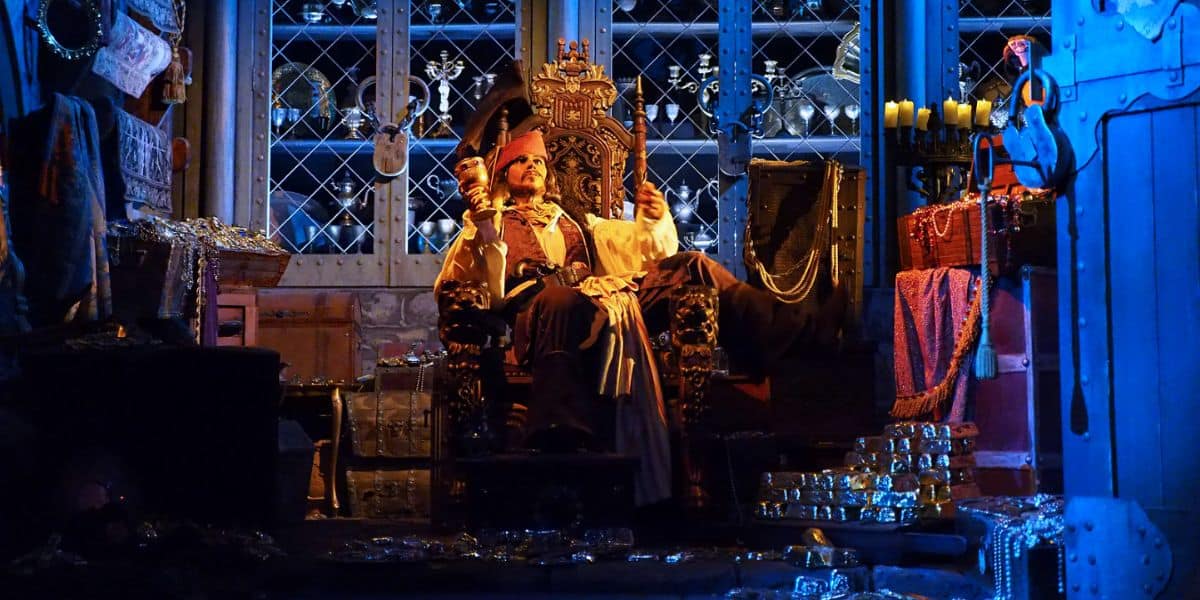
The most echoed sentiment in response to Gustin’s post was a plea for restoration. For years, fans have tracked what they call a “slow decline” in the parks’ physical upkeep. Peeling paint in Fantasyland, erratic show effects in Pirates of the Caribbean, and stagnant water features have become frequent targets of fan frustration in early 2026.
Credit: Frank Phillips, Flickr
At the top of the list is the infamous Yeti in Expedition Everest. For nearly two decades, the 25-foot animatronic has remained stationary, flickering under a strobe light because the cost of fixing its cracked foundation was deemed prohibitive.
“You have a billion dollars. There are no more excuses,” one fan noted. “Tear into the mountain, fix the foundation, and bring the Yeti back to its full A-mode glory. That’s worth more than any AI chatbot.”
But it isn’t just about one ride. Fans are calling for a “Refurbishment Surge”—a dedicated fund to ensure that every animatronic, light bulb, and interactive element in the parks is operating at 100%. In a world where Universal’s Epic Universe is currently setting a new standard for show quality, fans believe $1 billion is the minimum investment required to keep the “Disney Look” from fading.
2. Fast-Tracking the “Beyond Big Thunder” Expansion
Since the 2022 D23 Expo, Disney has teased a massive expansion at the Magic Kingdom under the “Blue Sky” umbrella. Disney has now broken ground on its expansion projects at Magic Kingdom, Hollywood Studios, and Animal Kingdom. However, with construction overtaking three parks, fans are demanding Disney put that money into completing its construction projects soon, and possibly expand on them.
Credit: Disney
Disney could also use some of those funds to add an additional hotel near Villains Land at Magic Kingdom. Perhaps even one that has its own park entrance.
As wait times for Tiana’s Bayou Adventure and TRON Lightcycle / Run frequently exceed three hours this Spring Break, the need for more “places for people to go” has never been more urgent. By fast-tracking the “Beyond Big Thunder” expansion, Disney could solve its capacity crisis while finally giving fans the “Villains Land” they have been dreaming of for a generation.
3. The “Cost of Magic” Relief Fund
The economic reality of a Disney vacation in 2026 has become a significant point of friction. Between the high-cost Lightning Lane Premier Pass (currently peaking at $449/day) and the “surge pricing” of snacks and meals, many fans feel priced out of the magic.
Credit: Disney
While $1 billion can’t permanently lower ticket prices for millions of people, fans on social media suggested it could be used to subsidize guest-friendly perks that have been stripped away over the last decade. Common suggestions included:
The Return of “Free Dining”: Using the funds to bring back the beloved Disney Dining Plan as a permanent “value add” for resort guests.
Lowering Lightning Lane Multi Pass Prices: Capping the daily cost of skip-the-line services to make them more accessible to middle-class families.
Parking and Transportation Subsidies: Eliminating the cost of resort parking and improving the frequency of the Disney Skyliner and bus systems.
The argument is simple: The best way to “improve the guest experience”—the stated goal of the OpenAI deal—is to make the parks feel like a better value.
4. Investing in “Real Intelligence”: Cast Member Pay
In his initial thoughts, Scott Gustin suggested investing in the people who actually run the parks. This sentiment was met with a resounding “Yes” from the community. In 2026, cast member retention remains a challenge, and fans are noticing.
Credit: Disney
The community is calling for a pivot from “Artificial Intelligence” to Human Excellence. A significant portion of that $1 billion could fund a substantial wage increase for frontline workers or a “Legacy Bonus” for long-term Cast Members.
“I don’t want a robot to tell me where the nearest bathroom is,” one user wrote. “I want a Cast Member who is happy to be there, who feels valued by their company, and who has the time to make a magical moment for my kid. Pay the people, not the algorithms.”
Fans argue that the “Disney Difference” is entirely dependent on the cast member experience. By investing in better training, higher pay, and improved housing (beyond Flamingo Crossings), Disney ensures the company’s heart remains strong.
5. The “Epic” Response: Preparing for the Fifth Gate
Finally, many fans view this $1 billion as a potential “war chest” for the ultimate Disney dream: A Fifth theme park.
Credit: Disney
Universal’s Epic Universe has been open for a year, and the feedback from guests has been a wake-up call for Burbank. The “Disney fans” are no longer just loyal to one brand; they are following the best experience. Fans are urging Disney to use this money as the “Phase 1” seed funding for a new gate—potentially a Disney’s Dark Kingdom or a park dedicated to the “Blue Sky” concepts that don’t fit in the existing four parks.
While a fifth park would cost upwards of $5 billion, starting with a $1 billion liquidity injection would signal to the world—and to the competition—that Disney is ready to fight for its crown.
Conclusion: A Billion-Dollar Choice
The collapse of the OpenAI deal is more than just a failed tech partnership; it’s an opportunity for a reset. Scott Gustin’s post tapped into a deep-seated desire within the fanbase to see Disney return to what it does best: building physical worlds, maintaining its icons, and treating its people like the valuable assets they are.
Credit: Disney
As Disney’s leadership looks at that billion-dollar line item on the 2026 balance sheet, the choice is clear. They can look for the next tech trend to chase, or they can listen to the people standing in 180-minute lines under a “Disco Yeti.” The magic isn’t in the cloud—it’s in the parks.
What would YOU do with $1 billion of Disney’s money? Join the conversation in the comments!


 Credit: Inside The Magic