
 Credit: Inside The Magic
The Disability Access Program (DAS) could be in jeopardy as we know it, as Disney prepares to make a major decision about its future.

Disney Disability Access Program Prepares for Massive Changes
For millions of guests each year, visiting Disney Parks represents something close to magic. From the moment visitors walk down Main Street, U.S.A. to the first glimpse of Cinderella Castle, the promise is simple: a place where every guest—regardless of age or ability—can experience the same sense of wonder.
Accessibility has long been part of that promise. Over the years, The Walt Disney Company has introduced various services designed to help guests with disabilities navigate crowded parks, long attraction queues, and sensory-heavy environments.
One of the most well-known of those initiatives is the Disability Access Service (DAS) program. The system was created to provide accommodations for guests who may not be able to tolerate traditional queue environments. For many families, DAS has become an essential part of planning a Disney vacation.
But in recent months, the conversation around that program has grown noticeably louder.
A Growing Conversation About Accessibility at Disney Parks
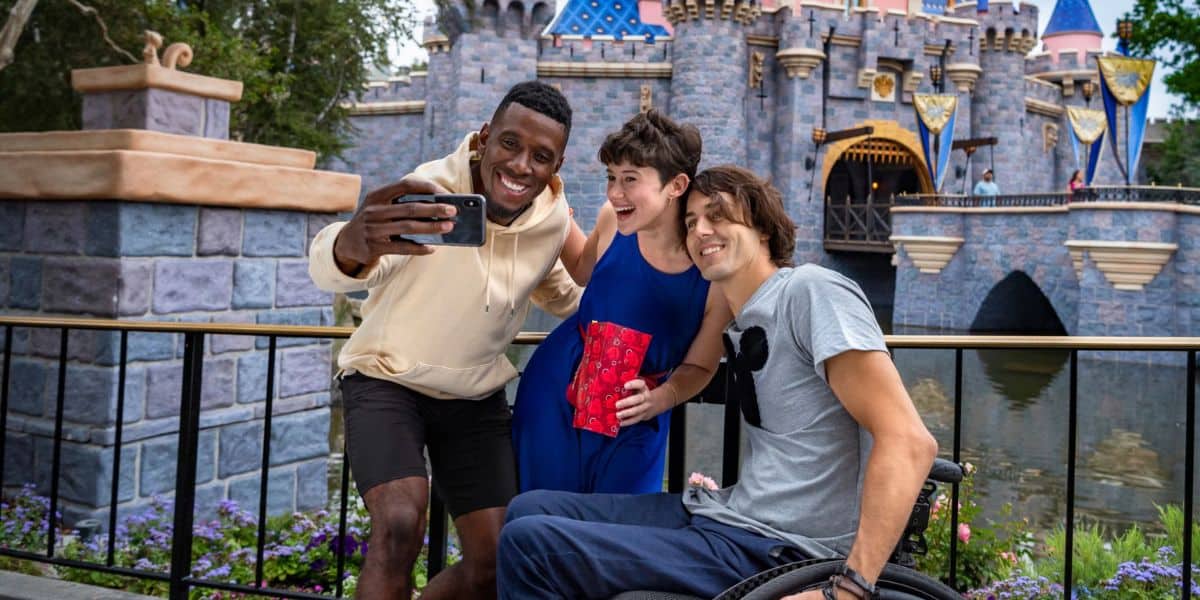
The topic of accessibility within Disney Parks has increasingly surfaced across fan forums, social media discussions, and news coverage.
Guests who rely on accommodations like DAS often share deeply personal experiences about how the program allows them to enjoy attractions in places like Magic Kingdom, EPCOT, Disneyland Park, and Disney California Adventure.
At the same time, changes to accessibility systems can quickly become a sensitive issue. Because the parks attract tens of millions of visitors each year, even small policy adjustments can generate widespread conversation within the Disney fan community.
In recent months, those discussions have intensified as guests and observers have taken a closer look at how accessibility services are evolving.

The Disability Access Service Has Become a Critical Planning Tool for Many Guests
Disney’s Disability Access Service has long served as an accommodation designed to assist guests whose disabilities make traditional queues difficult or impossible.
Rather than standing in line for extended periods, eligible guests may receive return times that allow them to experience attractions with reduced wait-related stress.
Disney has historically emphasized that the program is designed for guests who cannot wait in a conventional queue environment due to their disability.
Because of the program’s importance, any conversation surrounding DAS naturally attracts significant attention from both park visitors and Disney watchers alike.
And now, that conversation has reached a new level—this time involving shareholders.

Social Media Reactions Show How Personal the Issue Has Become
Unsurprisingly, the topic has sparked passionate reactions online.
Across platforms like X (formerly Twitter) and Reddit, Disney Parks fans and disability advocates have been actively discussing DAS and accessibility policies. Some guests have expressed concern about how changes could impact their ability to experience the parks comfortably.
Others have emphasized the importance of transparency when major corporations evaluate policies that affect accessibility.
As one Reddit commenter recently wrote, “For some families, DAS is the only way a Disney trip is possible.” That sentiment reflects how deeply personal accessibility services can be for guests planning vacations to Disney destinations around the world.
Those ongoing conversations now intersect with a development happening at the corporate level.

Disney Shareholders Will Vote on an Independent Review of Disability Access Policies
A proposal tied to Disney’s Disability Access Service will soon appear on The Walt Disney Company’s 2026 proxy ballot.
The measure—listed as Proposal 7 and titled “Review and Report on Disability Inclusion and Accessibility”—asks Disney to retain an independent third party to evaluate the company’s disability access policies.
According to the proposal, the review would examine the policies from several perspectives, including legal, financial, reputational, and enterprise risk considerations. The findings would then be summarized and shared with shareholders.
Importantly, the proposal does not require operational changes to the DAS program or mandate the reinstatement of any previous systems. Instead, it is structured as a governance and oversight request designed to provide additional transparency to investors.
The proposal also maintains board discretion and management authority, meaning Disney leadership would still control how accessibility programs are ultimately implemented.
Shareholders will vote on the measure during Disney’s Annual General Meeting on March 18, 2026.
What This Could Mean for Guests Who Rely on the DAS Program
For Disney Parks visitors who depend on Disability Access Service accommodations, the proposal does not immediately change how the program operates.
However, the request for an independent review signals that accessibility policies are now being evaluated not only through guest feedback but also through a corporate governance lens.
Independent assessments are often used by large companies when policy decisions intersect with potential reputational, legal, or operational risks.
For guests planning trips to Walt Disney World Resort or Disneyland Resort, the most immediate takeaway is that the DAS program remains in place. The upcoming shareholder vote simply determines whether an external evaluation of Disney’s accessibility policies will take place.
Still, the outcome could influence future conversations about how Disney approaches accessibility across its parks.
As the March 18 vote approaches, many guests—and investors—will be watching closely.
What do you think about the proposal for an independent review of Disney’s disability access policies? Would greater transparency help guests better understand how the DAS program works at Disney Parks?