 1
1
 Credit: Inside the Magic
For decades, the gates of Disneyland have served as a portal to a world of fantasy, where the only “explosions” guests expect are the nightly fireworks over Sleeping Beauty Castle. But on a chilling evening in March 2026, the magic was replaced by a cold, hard reality as the Anaheim Police Department swarmed the resort in response to reports of an active shooter and a bomb threat.
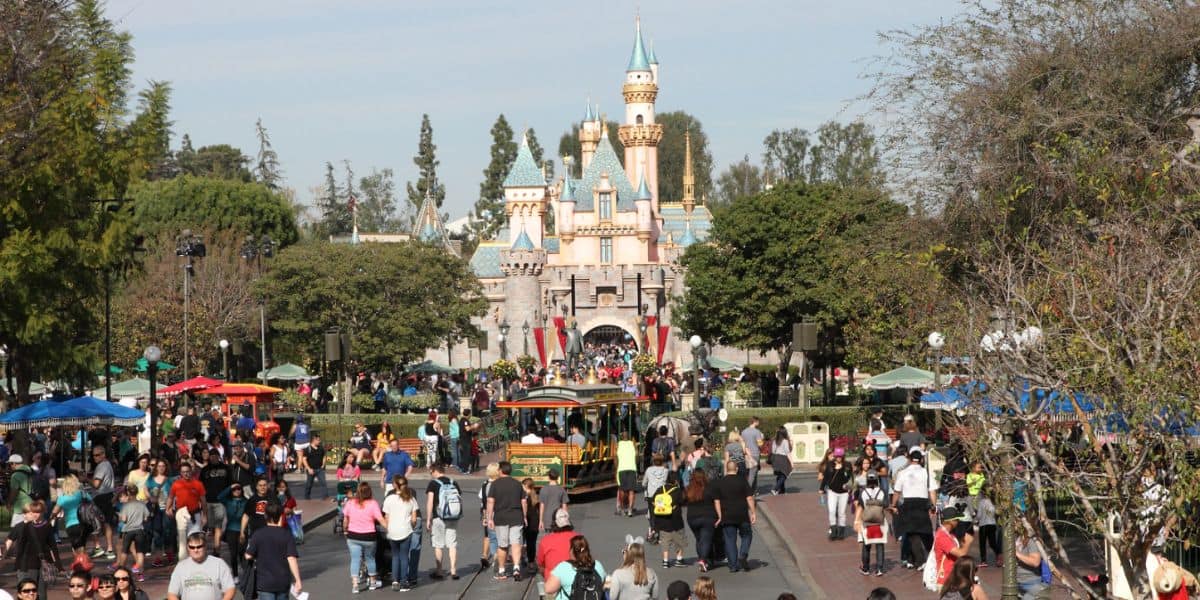
What initially appeared to be a nightmare scenario—the ultimate violation of a safe haven for families—turned out to be a calculated, digital-age crime known as “swatting.” Even more disturbing are the allegations emerging from the investigation: the panic was reportedly orchestrated by online livestreamers seeking “clout,” views, and viral content.
The Afternoon the Magic Stopped
It began with a series of frantic calls to emergency dispatchers. According to reports from NBC Los Angeles, the Anaheim Police Department received a high-priority alert regarding an active shooter on Disneyland property, coupled with a secondary threat involving explosive devices.

Within minutes, the atmosphere at the resort shifted. Guests, who moments before were laughing on the Jungle Cruise or waiting for churros, watched in confusion as heavily armed officers, K-9 units, and tactical vehicles began to mobilize around the park’s perimeter. Inside the parks, “shelter-in-place” protocols were quietly but firmly put in place in several locations.
“We were in the middle of a meal at the Plaza Inn when Cast Members suddenly closed the doors and told everyone to move away from the windows,” said one guest interviewed after the incident. “You see the news, you know what’s happening in the world, and for twenty minutes, we all truly believed the worst was happening.”
The “Swatting” Epidemic: A Dangerous Digital Prank
As the police conducted a sweep of the area, it quickly became apparent that there was no shooter and no bomb. The incident was a textbook example of “swatting”—the act of making a false report of a serious emergency to trigger a massive, often tactical, police response to a specific location.

While swatting has plagued the gaming community for years—often targeting streamers while they are live on camera—the scale of this incident represents a dangerous escalation. As reported by WDWNT, the Disneyland hoax wasn’t an isolated event. Similar threats were called in simultaneously at the Santa Anita Mall and a location in Fullerton, suggesting a coordinated effort to stretch law enforcement resources thin across Southern California.
The Livestreamer Connection: Content at Any Cost?
The most controversial element of the March 2026 incident is the alleged involvement of the “IRL” (In Real Life) streaming community. According to investigators and witnesses, the swatting calls appeared to be timed with several active livestreams taking place inside and around the park.
The motive? Engagement. In the hyper-competitive world of livestreaming, “events” drive viewers. When a streamer is onsite during a high-stakes police incident, their viewership numbers skyrocket. Fans and “trolls” in the chat rooms often egg on the behavior, and in some cases, the streamers themselves are accused of coordinating the calls to create “breaking news” content they can profit from.
The Anaheim Police Department is currently investigating whether specific streamers called in the threats themselves or provided the platform for their followers to do so as part of a “challenge.” The implications are staggering: hundreds of families were traumatized for the sake of a few thousand “likes” and a bump in ad revenue.
The Psychological Toll on Guests and Cast Members
While the physical threat was a hoax, the psychological trauma was very real. Disneyland is unique because it is a “closed” environment designed to feel safe. When that safety is compromised, the impact is profound.

Cast Members, who are trained for emergencies but rarely expect to face a tactical sweep, were also left shaken. Many had to manage crowds while hiding their own terror, proving once again that frontline workers are at the brunt of these digital “pranks.”
Law Enforcement’s Zero-Tolerance Stance
The Anaheim Police Department, along with federal agencies, has signaled that they are not taking this incident lightly. Swatting is a felony in the state of California, particularly when it involves threats of mass violence.

A spokesperson for the APD stated. “If we find that these calls were made by individuals looking to boost their social media following, we will prosecute them to the fullest extent of the law.”
The investigation is utilizing digital forensics to trace the calls, many of which were likely routed through VPNs or voice-over-IP (VoIP) services to hide the caller’s identity. However, given the coordinated nature of the threats at the Santa Anita Mall and Fullerton, authorities believe they may be dealing with a group rather than a lone actor.
The Future of Park Security in the Age of Streaming
The March 2026 incident has sparked a massive debate over the presence of “professional” livestreamers in theme parks. Disney has already begun cracking down on “commercial filming” without a permit, but “vlogging” and “livestreaming” exist in a grey area.

Following the swatting incident, there are calls for Disney to implement stricter rules, including:
- A Ban on Livestreaming: Some fans are calling for a total ban on live broadcasts from the parks to prevent “clout-chasing” crimes.
- Enhanced Signal Jamming: While technically difficult and legally complex, the idea of restricting data signals in certain high-security zones has been discussed.
- Digital Registration: Requiring anyone filming for a commercial platform to register their equipment and identity with the park.
Conclusion: Reclaiming the Magic
As the smoke clears on the Disneyland swatting incident, the resort remains open, but the atmosphere has undeniably changed. Security lines are longer, and the sight of an Anaheim PD cruiser now draws a bit more scrutiny from passing guests.

The incident serves as a stark reminder that in 2026, the greatest threat to a public space might not be a physical weapon, but a smartphone and a desire for digital fame. As long as “clout” remains a valuable currency, high-profile targets like Disneyland will remain in the crosshairs of those willing to trade public safety for a viral moment.
For the families who were there, the “Happiest Place on Earth” will eventually recover. Still, the March 2026 hoax remains a dark chapter in Disney history—one written not by Imagineers, but by the reckless greed of the digital age.
Are you concerned about the rise of “swatting” at public attractions? Should Disney ban livestreaming to protect guest safety? Let us know your thoughts in the comments below.