 19
19
 Credit: Edited by Inside the Magic
The Walt Disney Company has spent decades cultivating its reputation as the premier family entertainment brand creating content that spans generations, cultures, and demographics through films, television programming, theme park experiences, and merchandise that collectively generate billions in annual revenue while shaping childhood memories and cultural conversations worldwide.
Disney’s cultural influence extends far beyond entertainment value, with the company’s creative decisions about character representation, casting choices, and storytelling approaches regularly generating public discourse about diversity, inclusion, and appropriate cultural representation in media consumed by millions of children forming foundational understandings about identity and representation.
Recent years have brought intensified scrutiny of Disney’s diversity initiatives, with the company facing criticism from multiple directions as it attempts to modernize classic properties and introduce new characters reflecting contemporary America’s demographic reality while managing backlash from audiences resistant to changes affecting beloved franchises and nostalgic connections to original content.
The 2023 live-action Little Mermaid remake casting Halle Bailey, a Black actress, as Ariel generated massive online controversy including racist backlash alongside defenses celebrating expanded representation, demonstrating how casting decisions for iconic characters become flashpoints for broader cultural debates about representation, authenticity, and whether diversifying established properties honors or betrays original creative visions.
Rachel Zegler’s casting as Snow White in the upcoming remake similarly sparked criticism from audiences questioning whether Hispanic actresses should portray characters traditionally depicted as having pale skin specifically referenced in their names, while Zegler’s own public comments about the original 1937 film’s dated elements further inflamed controversies about respecting Disney’s legacy versus updating content for modern sensibilities.
Conservative organizations have accused Disney of prioritizing political agendas over shareholder value, pointing to market capitalization declines allegedly resulting from “woke” programming decisions that alienate traditional audiences while attempting to court demographics through representation efforts that critics characterize as pandering rather than authentic storytelling.
The Captain Durag character debuting January 15, 2026, on Disney Junior’s Hey AJ! represents Disney’s latest diversity initiative generating immediate backlash, with the Black superhero wearing a durag that doubles as his cape and mask while fighting “grime” in Slime City creating controversy about whether the character represents positive representation or offensive stereotyping that reduces Black culture to superficial visual elements without meaningful substance per The New York Post.
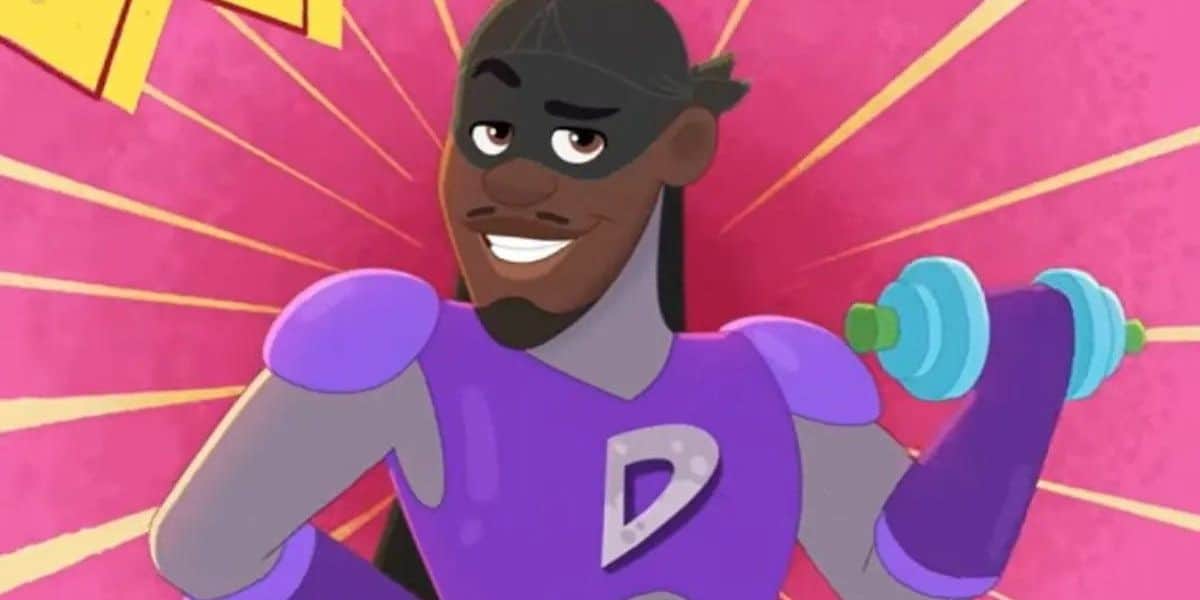
Captain Durag Character Design Generates Immediate Criticism
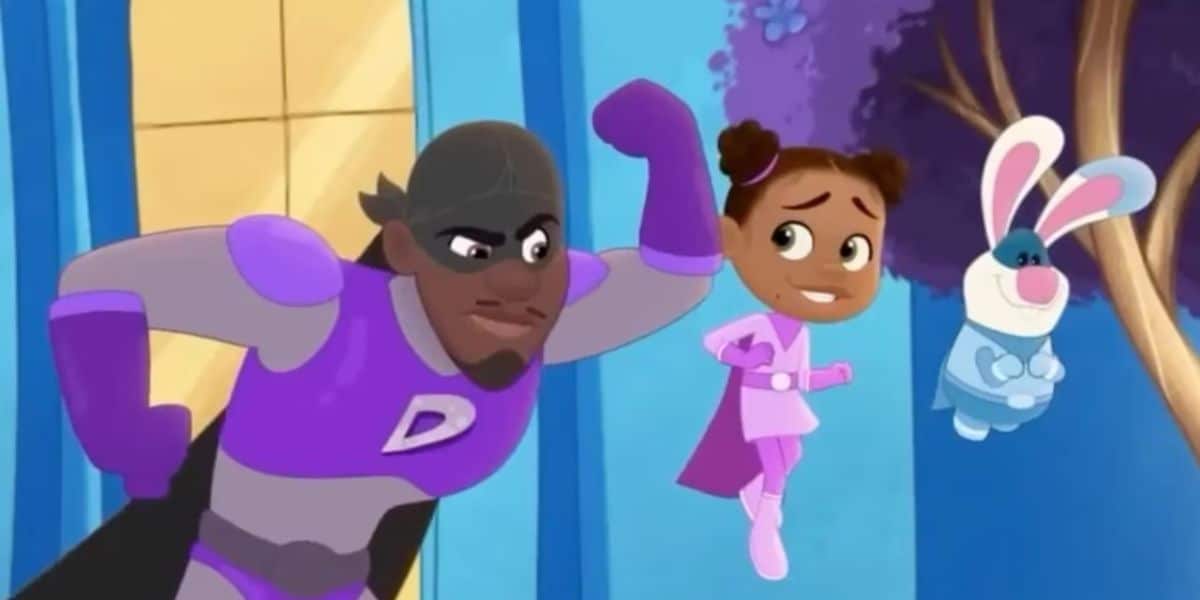
Captain Durag appeared on Disney Junior’s Hey AJ! show in January, featuring a Black superhero whose durag serves simultaneously as his cape and face mask with his eyes visible through the fabric. The durag, a hair covering primarily associated with Black communities, forms the character’s central visual identity and superhero costume element.
The character fights “grime” in Slime City within the show’s universe, creating a superhero narrative built around the durag as both practical costume element and cultural signifier. Disney Junior programming targets preschool audiences, meaning Captain Durag’s introduction aims to provide representation for young Black children consuming content during formative developmental years.
Social media reaction proved swift and largely negative, with critics characterizing the character as tone-deaf, stereotypical, and offensive. “They made a ‘Captain Durag’ in 2026 what the f**k Disney,” one viewer wrote on X, expressing disbelief that the character made it through Disney’s content approval processes.
“The concept of Captain Durag is wildly tone deaf,” another critic agreed, suggesting the character reduces Black identity to superficial cultural elements rather than creating meaningful representation. “I thought captain durag was a made up internet hoax but nope lmao disney really came up with that for black history month,” someone wrote, noting the character’s January debut timing near Black History Month potentially compounded perception issues.
“Everyone already said everything to be said but Captain Durag is an abomination,” another commenter wrote, adding that the character’s creator is a Black woman and expressing hope that “black parents use their voice to get this sh*t removed.”
Creator Defends Character as Cultural Representation
Camille Corbett, the 28-year-old Jamaican-American artist, writer, and comedian who created Captain Durag for Hey AJ!, defended her work against criticism. “Watch the show,” Corbett told The Post. “As a scholar, I’d never speak on anything I’ve never experienced.”
Corbett expanded her defense in a February 16 social media post addressing the controversy directly. “I created the character Durag Man, now known as Captain Durag on the Disney Show, Hey AJ and I’m just finding out people are finding it problematic? I just wanted our culture to have a superhero of its own!” she wrote on X.
Hey AJ! creator Martellus Bennett, the former NFL star behind the show, shared a detailed Instagram statement explaining the character represents “a reflection of black life” rather than stereotyping. “If that offends you, maybe the problem isn’t the durag. Maybe the problem is that you’ve never seen black imagination treated as sacred, heroic and worthy of a cape,” Bennett wrote.
Disney worked with The League, a cultural consultant group, throughout Hey AJ! production according to USA Today reporting, suggesting the company attempted to ensure appropriate cultural representation through expert guidance rather than proceeding without input from communities being represented.
Disney’s Recent Diversity Controversies
The Captain Durag backlash represents the latest in a series of Disney diversity initiatives generating polarized responses from audiences with conflicting expectations about representation, authenticity, and appropriate approaches to diversifying entertainment content.
The 2023 live-action Little Mermaid remake became a cultural flashpoint when Disney cast Halle Bailey, a Black actress, as Ariel. The casting generated racist backlash including social media campaigns criticizing the decision to cast a Black actress in a role traditionally portrayed with pale skin and red hair in the 1989 animated classic.
Defenders celebrated the casting as expanding representation for Black children who rarely see themselves as Disney princesses, arguing that a fictional mermaid’s race matters less than the actress’s performance and the character’s universal themes about identity and belonging.
The controversy extended beyond initial casting announcements, with the film’s marketing materials generating debate and the eventual box office performance analyzed through lenses of whether audience resistance to diverse casting affected commercial success or whether the film succeeded in spite of backlash.
Rachel Zegler’s casting as Snow White in the upcoming live-action remake sparked similar controversies. Critics questioned whether a Hispanic actress should portray a character whose name specifically references pale skin, arguing that physical accuracy to source material matters for iconic characters with appearance-specific names.
Zegler’s public comments about the 1937 original being dated in its portrayal of female characters further inflamed tensions, with critics accusing her of disrespecting Disney’s legacy while defenders argued honest assessment of problematic historical elements doesn’t constitute attacking beloved films.
A 2021 Muppet Babies episode featuring Gonzo wanting to wear a dress to a party generated criticism from audiences viewing the storyline as inappropriate gender identity content for preschool programming. Disney’s decision to include the episode reflected commitments to LGBTQ representation while critics argued such content exceeded age-appropriate material for the target demographic.
Marvel’s 2023 Ant-Man and the Wasp: Quantumania faced criticism for depicting police firing tear gas at peaceful protesters, with some viewers interpreting the scene as anti-police messaging inappropriate for family entertainment. The scene’s inclusion reflected Marvel’s tendency toward socially relevant storytelling while critics argued superhero films should avoid politically charged imagery.
The Snow White remake beyond casting controversies faced additional criticism for using CGI creatures as the seven dwarfs’ replacements rather than casting actors with dwarfism. Disney’s decision followed years of debate about whether casting little people in dwarf roles perpetuates stereotypes or provides employment opportunities for actors with dwarfism who face limited Hollywood roles.
The CGI choice attempted to sidestep the controversy but generated backlash from disability advocates arguing it eliminated representation opportunities.
Corporate Performance and Political Criticism
Conservative non-profit America First Legal accused Disney in March 2024 of damaging shareholder value through “woke” political agendas prioritizing diversity messaging over entertainment quality and commercial success. AFL claimed Disney’s market capitalization fell nearly 40 percent from $341 billion in February 2021 to $207 billion by early 2024, attributing the decline to programming featuring “anti-police and anti-white content” that allegedly alienated traditional family audiences.
The financial performance criticism connects diversity initiatives to measurable business outcomes, arguing that Disney’s creative choices carry economic consequences when audiences reject content they perceive as prioritizing political messaging over storytelling quality.
Disney defenders counter that multiple factors including streaming service losses, theme park pandemic impacts, and broader entertainment industry challenges contributed to market cap declines rather than diversity initiatives alone.
Theme Park and Vacation Implications
Disney’s ongoing diversity controversies don’t directly affect Walt Disney World or Disneyland operations, attractions, or guest experiences in immediate tangible ways. However, the broader brand perception issues could influence family vacation planning decisions for households aligned with either supporting or opposing Disney’s representation approaches.
Families celebrating Disney’s expanded representation might feel increased brand loyalty and prioritize Disney vacations over competing entertainment options, viewing their spending as supporting companies committed to diversity. Conversely, families viewing Disney’s diversity initiatives as inappropriate political messaging might reduce Disney vacation spending or choose alternative destinations.
The controversies generate sustained media coverage keeping Disney in public discourse, potentially affecting brand perception among families making vacation planning decisions influenced by cultural values and entertainment philosophy preferences.
Theme park attendance data and merchandise sales provide measurable indicators of whether representation controversies affect Disney’s core business operations or remain largely confined to online discourse without translating to reduced consumer spending.
Disney theme parks themselves have faced representation questions regarding character meet-and-greets, attraction content, and whether park experiences adequately reflect diverse guest populations. The company has introduced diverse princess characters, modified attraction content addressing racial stereotypes, and expanded character representation at parks in response to evolving expectations about inclusion in physical spaces beyond just screen content.
Look, Disney is stuck in an impossible position where literally any creative choice they make about representation will generate backlash from someone who thinks they either went too far or didn’t go far enough with diversity initiatives.
Creating a Black superhero character wearing a durag was always going to generate criticism regardless of whether the creator herself is a Black woman working with cultural consultants, because some people will see it as positive representation while others view it as reducing culture to costume elements.
Whether you agree with Disney’s diversity approaches or think they’re misguided ultimately comes down to personal values about representation in children’s media, but these controversies aren’t going away anytime soon given how polarized audiences have become about literally everything touching culture, identity, and whose stories deserve telling in mainstream entertainment.
If you’re planning a Disney vacation and these issues matter deeply to you either way, your spending does send signals to the company about what audiences value, though realistically Disney will keep attempting representation efforts because demographic trends suggest diverse audiences represent their future customer base regardless of how loudly critics complain online.