

 Credit: Universal
Anyone who spends time at CityWalk knows the rhythm. You wander. You debate options. Someone suggests pizza. Someone else wants something quicker. You finally agree—then stop cold when you see the line.
Suddenly, the relaxed energy disappears.

Instead of chatting, people check wait times. Instead of browsing menus casually, they study them like strategy guides. Someone volunteers to stand in line while everyone else hunts for seating, hoping they’ll reconnect later.
That friction never felt intentional. It just felt like the cost of popularity.
But recently, guests began noticing something different—especially on the second floor seating areas. People weren’t lining up anymore. They were sitting. Relaxed. Drinks already in hand. Phones out, but not scrolling—ordering.
New to me!
You can now scan, order, and have your food delivered to the tables on the second floor of CityWalk! pic.twitter.com/ocSr9YIfoM
— Dueling Park News (@DuelingParkNews) January 10, 2026
That’s where the tension starts to build. Because Universal didn’t roll this out everywhere. They chose specific restaurants where long lines were part of the experience.
And the list matters.
Where This Is Already Happening
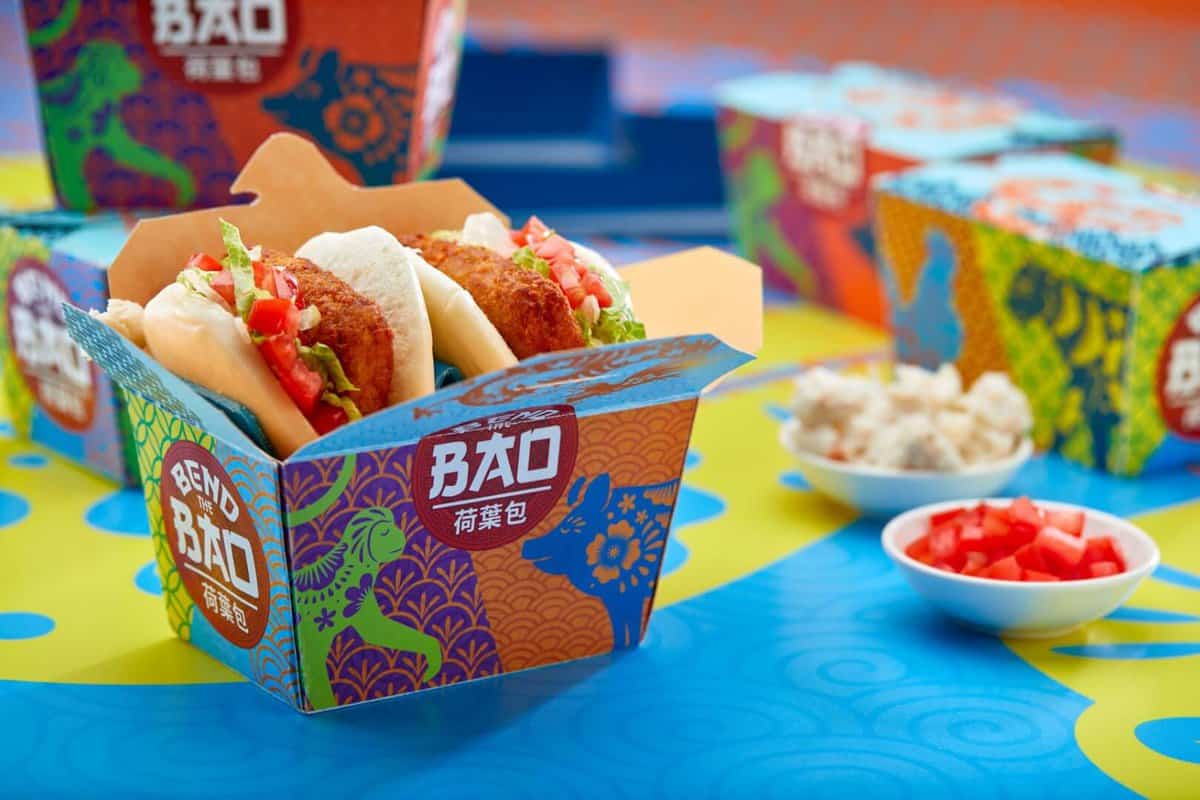
Right now, the ability to order online and have food delivered to your table is available at select CityWalk quick-service locations that already support mobile ordering through the Universal Orlando app. Guests can choose from Bend the Bao, Hot Dog Hall of Fame, Red Oven Pizza Bakery, and Bread Box.
One of the most talked-about examples is Hot Dog Hall of Fame.
This spot is known for its over-the-top regional dogs and steady crowds—especially at peak dinner hours. Traditionally, ordering here meant standing shoulder-to-shoulder near the counter. Now, guests seated upstairs can place orders digitally and wait comfortably while their food is brought to them.
Then there’s Red Oven Pizza Bakery.
Pizza is one of CityWalk’s most popular go-to meals, which also makes it one of the biggest congestion points. With mobile ordering already built into the experience, table delivery takes it one step further. Instead of juggling trays or hovering near the pick-up window, guests can settle in and let the food come to them.
Another location offering mobile ordering—and benefiting from this shift—is Bread Box Handcrafted Sandwiches.
Bread Box has always been a favorite for quick but filling meals, but its compact interior made peak hours hectic. Mobile ordering helps streamline the process, and paired with table delivery, it transforms what used to feel rushed into something closer to a sit-down experience.
These aren’t random picks. They’re some of CityWalk’s busiest quick-service locations.
Which raises a bigger question.
Why Universal Didn’t Make a Big Deal About This
If this change is so impactful, why hasn’t Universal shouted about it?
Because this isn’t about flash. It’s about behavior.
By rolling this out quietly, Universal lets guests discover it organically. No pressure. No forced learning curve. Just a small moment of realization when you scan a code and realize… you’re done waiting.
That discovery feels personal. Like you unlocked something.
And it immediately changes how guests use CityWalk. Instead of hovering near counters, people commit to tables earlier. Instead of leaving when lines look long, they stay. Instead of rushing meals, they linger.
That’s not an accident.
The Emotional Shift You Feel Before the Food Arrives
What makes this update powerful isn’t the technology—it’s what it removes.
It removes that low-level anxiety of “Are we wasting time?”
It removes the awkwardness of holding seats.
It removes the pressure to eat fast so someone else can sit.
Families feel it immediately. Kids stay put. Parents don’t juggle trays. Groups stay together the entire time. The meal becomes part of the night instead of something to get through.
And once guests experience that once, it quietly resets expectations.
The old way suddenly feels outdated.
Why This Feels Like a Test Run, Not a One-Off
Universal has a long history of introducing changes this way—small, strategic, and deliberate. Mobile ordering inside the parks followed a similar path. It started as an option, then became standard.
CityWalk appears to be next.
But Universal hasn’t confirmed any expansion. No timeline. No announcement about additional restaurants. Which keeps the tension alive.

Is this limited by staffing?
Is Universal measuring guest response first?
Will table delivery spread to more CityWalk locations?
No one knows yet.
And that uncertainty is exactly what makes this moment interesting.
A Small Change That Alters the Entire Night
CityWalk hasn’t changed its menus. The food hasn’t changed. The seating hasn’t changed.
But the feeling has.
The stress point—the line—has been quietly removed at some of the busiest spots. And in doing so, Universal has reintroduced something CityWalk was always meant to offer: ease.
For guests who stumble into this experience without expecting it, the difference is immediate. You sit. You order. You talk. And before you even think about how long it’s been, your food arrives.
No crowd. No rush. No standing.
Universal didn’t announce it.
They didn’t need to.
Because once you experience CityWalk this way, it’s hard not to wonder how soon the rest will follow.