 8
8
 Credit: Disney
The Walt Disney Company is once again at the center of a heated debate over its Disability Access Service (DAS). In a move that has sparked intense discussion among theme park enthusiasts, disability advocates, and investors alike, Disney has officially recommended that its shareholders vote against a new proposal regarding the DAS system in its 2026 proxy statement.
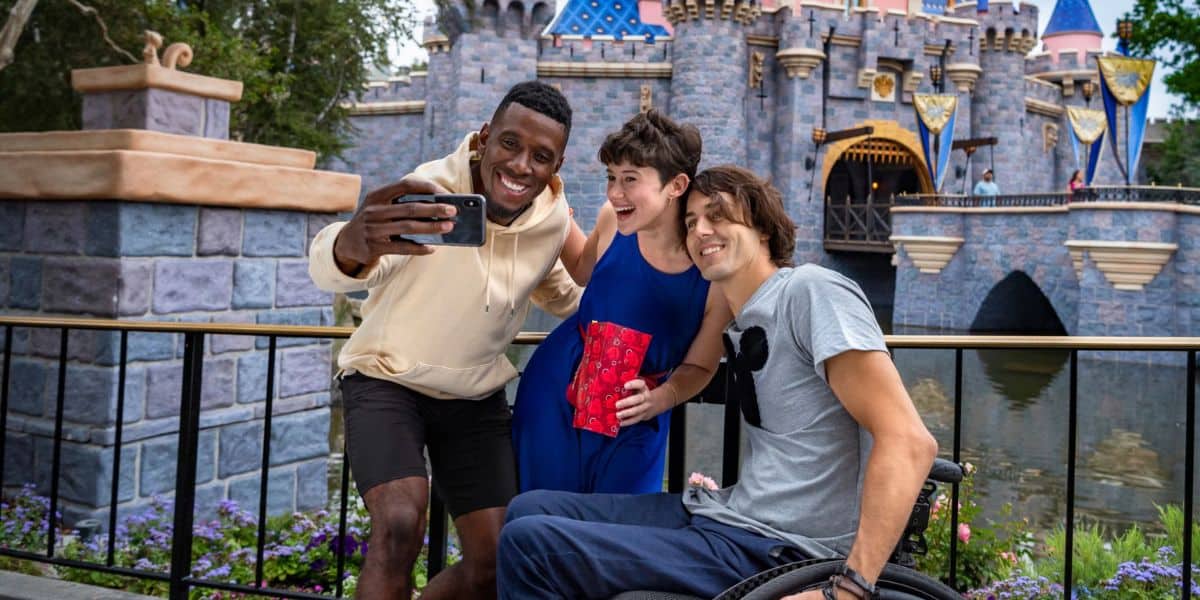
The proposal, brought forth by concerned shareholders, seeks greater transparency and a formal report on how recent changes to the DAS system have impacted guests with disabilities. However, Disney’s leadership is pushing back, arguing that the company has already done the necessary work to balance inclusivity with operational integrity.
Here is a deep dive into the conflict, the details of the proxy statement, and what this means for the future of accessibility at Walt Disney World and Disneyland.
The Core of the Conflict: What is the DAS Proposal?
According to recent filings in the Disney 2026 Proxy Statement, a shareholder proposal has requested that the Board of Directors oversee the preparation of a report assessing the impact of the 2024 DAS policy changes. Specifically, the proposal asks for data on how many guests have been denied service since the new rules were implemented and how the company is addressing the needs of those with non-developmental disabilities who were previously eligible.
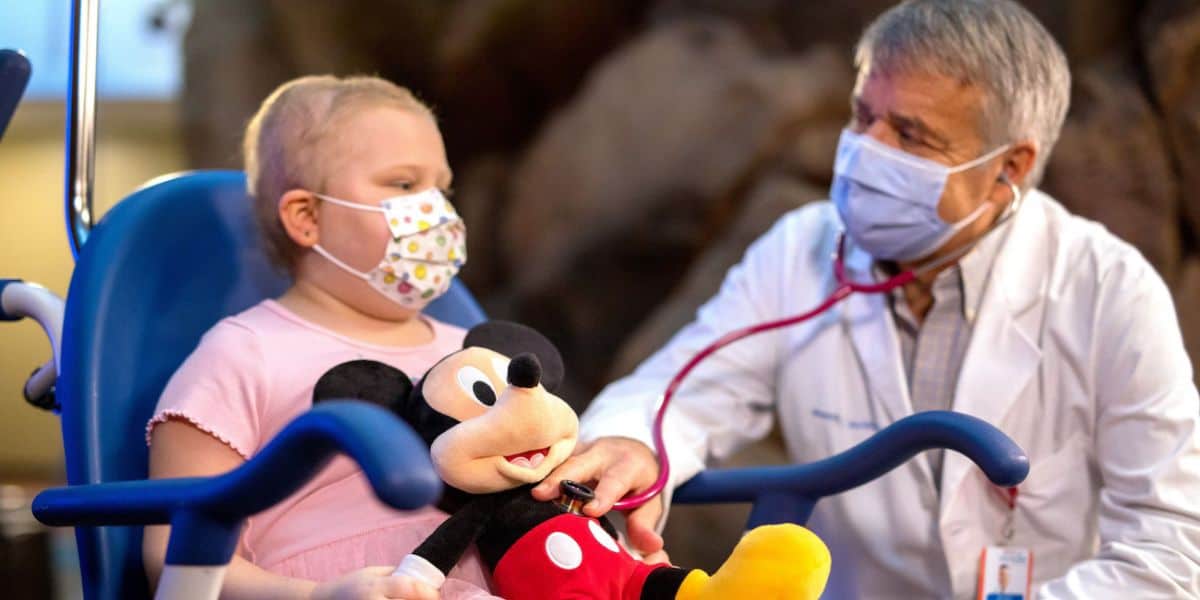
The shareholders behind the move argue that Disney’s brand reputation is at risk. For decades, Disney has been the “gold standard” for accessible vacations. Critics of the current system argue that the new, more restrictive guidelines have alienated a loyal segment of the customer base, potentially causing long-term financial and reputational damage.
Disney’s Official Stance: The Recommendation to Vote “No”
Disney’s response to the proposal was swift and firm. In the proxy materials, the Board of Directors recommended that shareholders vote AGAINST the proposal. Their reasoning boils down to three main points:

- Redundancy: Disney claims that a formal report is unnecessary because the company already consistently monitors and evaluates its accessibility services.
- Medical Expertise: The company emphasizes that the current DAS rules were developed in consultation with medical professionals and accessibility experts to ensure the service reaches those for whom it was intended.
- Fraud Prevention: Disney maintains that the 2024 overhaul was essential to curb widespread abuse of the system, which had reached a point where it was “taxing” the overall guest experience and standby wait times.
Disney argues that it has already struck the right balance and that a shareholder-mandated report would be an inefficient use of corporate resources.
A Recap: The Controversial 2024 DAS Overhaul
To understand why shareholders are pushing for a 2026 report, one must look back at the massive changes Disney implemented in the spring of 2024.

For years, DAS was a system designed for any guest who, due to a disability, “could not tolerate a traditional standby queue.” This included a wide range of conditions, from physical mobility issues (though these were usually steered toward wheelchairs) to chronic illnesses, PTSD, and neurodivergent conditions.
However, in April 2024, Disney significantly narrowed the eligibility. The new policy stated that DAS is intended for “only those guests who, due to a developmental disability like autism or similar, are unable to wait in a conventional queue for an extended period of time.”

This shift effectively excluded thousands of guests with “invisible disabilities” or chronic medical conditions like Crohn’s disease, POTS (Postural Orthostatic Tachycardia Syndrome), or certain types of cancer. While Disney introduced a “Return to Queue” feature to help those who might need to leave a line briefly, many advocates argued it was an insufficient “one-size-fits-all” solution.
The Fraud Factor: Disney’s Primary Defense
In its recommendation to shareholders, Disney leans heavily on the “integrity” of the system. It is no secret that before the 2024 changes, the DAS system was being exploited. Social media “hacks” and unscrupulous third-party tour guides had taught thousands of non-disabled guests how to misrepresent their needs to gain what was essentially a free “Lightning Lane” for the day.

Disney noted that the number of DAS users had tripled over five years, far outpacing overall park attendance growth. By tightening the rules, Disney aimed to protect the service for those who truly cannot function in a standard line.
To shareholders, Disney is presenting this as a business necessity. If the DAS system is too large, it inflates Lightning Lane wait times, devalues the paid Lightning Lane Multi Pass (formerly Genie+), and disrupts the parks’ operational flow.
The Shareholder Concern: Is the “Magic” Fading?
While Disney focuses on the logistics of fraud prevention, the shareholders proposing the report are looking at the “human cost.” The proposal highlights that Disney’s brand is built on being the “Most Magical Place on Earth” for everyone.

The backlash to the DAS changes has been significant. Organizations like “DAS Defenders” and various social media movements have shared countless stories of children and veterans being denied service under the new rules. From an investor’s perspective, this creates two significant risks:
1. Legal Liability
Disney is already facing several lawsuits related to the DAS changes. Shareholders are concerned that a lack of transparency could lead to more litigation under the Americans with Disabilities Act (ADA). A formal report would, in theory, require Disney to prove that its “alternative accommodations” (such as the Return to Queue feature) are actually effective and legally compliant.
2. Market Share
Universal Studios, Disney’s biggest competitor, uses a third-party service (IBCCES) to verify disabilities. While this requires more paperwork for the guest, it provides a more straightforward, more predictable path to accommodation for many. If Disney becomes known as “the park that rejects the disabled,” shareholders fear a migration of loyal families to Universal’s Epic Universe and other competing destinations.
The “Medical Expertise” Argument
One of the most interesting parts of Disney’s rebuttal to shareholders is the claim that they use “professional medical consultants” to make these determinations. During the DAS application process, guests now speak with a health professional via video chat (through a partnership with Inspire Health Alliance).

However, many guests have reported that these “professionals” often seem to follow a strict script that automatically denies anyone who does not explicitly mention a developmental disability. Shareholders are asking for the report to verify whether these consultants are actually addressing individual needs or simply acting as “gatekeepers” to reduce the number of DAS users.
Conclusion: What Happens Next?
The recommendation for shareholders to vote “No” on the DAS proposal is a clear signal that Disney’s leadership has no intention of walking back the 2024 changes. They are doubling down on the current system, prioritizing fraud prevention and operational efficiency over the broad inclusivity that characterized the previous decade.

The final vote will take place at the 2026 Annual Meeting of Shareholders. If the proposal fails—which is likely, given the Board’s recommendation and institutional investors’ influence—the current DAS rules will remain the status quo for the foreseeable future.
However, the very existence of this proposal on the proxy statement shows that the conversation is far from over. As long as loyal guests feel excluded from the “Magic,” the pressure on Disney’s Board of Directors will continue to mount. Whether through shareholder activism, legal challenges, or the power of the pocketbook, the battle for Disney’s future accessibility is only just beginning.